
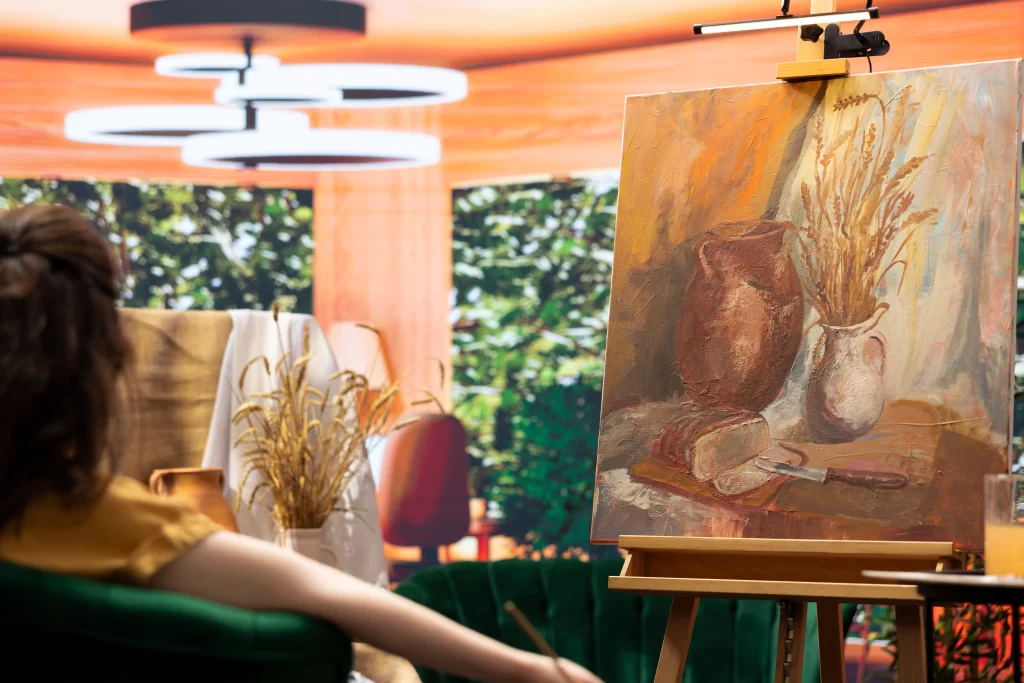
Paintings, sculptures, antiques, and other valuable works of art can represent significant financial investments. For collectors, galleries, antique dealers, and businesses, protecting these assets involves more than keeping them in a secure location.
Accidental damage, theft, fire, and other unexpected events can threaten valuable artwork. Depending on the circumstances and the policy, repairing or replacing a damaged piece may be difficult, costly, or even impossible.
Fine arts insurance in the Philippines can help eligible owners manage certain financial risks associated with their valuable artwork and collections. Understanding how this type of insurance works is an important step toward protecting these assets.
What Is Fine Arts Insurance?
Fine arts insurance is a specialized form of insurance designed to protect eligible artwork and collectibles against specified risks, subject to the policy’s terms and conditions.
Depending on the policy and the items accepted for coverage, insured property may include:
- Paintings and drawings
- Sculptures and other works of art
- Antiques and collectible objects
- Art collections held by private collectors
- Artwork displayed in galleries or commercial premises
The items eligible for coverage, insured events, valuation requirements, and policy limits vary by insurer and policy.
Fine arts insurance differs from ordinary property insurance because valuable artwork may require specialized valuation, documentation, and handling considerations. Owners should not assume that a standard home or commercial property policy automatically provides sufficient protection for every artwork they own.
Who May Need Fine Arts Insurance in the Philippines?
Fine arts insurance may be relevant to several types of owners and organizations.
1. Private Art Collectors
Collectors may own paintings, sculptures, antiques, or other pieces that have significant monetary or collectible value.
Maintaining a record of each item’s identity, condition, and estimated value can help owners assess their insurance needs.
2. Art Galleries
Galleries may display artwork belonging to the gallery itself, artists, collectors, or other parties.
Because ownership and responsibility can differ between pieces, galleries should understand which items they are responsible for and whether their existing insurance arrangements address those responsibilities.
3. Antique Dealers
Antique dealers may hold valuable items for sale, store collections, or move pieces between locations.
They should consider how their insurance responds while items are stored, displayed, or transported, rather than assuming that protection applies automatically in every situation.
4. Businesses and Organizations
Hotels, offices, commercial establishments, and other organizations may display artwork as part of their interiors or collections.
Businesses should identify valuable pieces separately from ordinary furnishings and review whether their existing property coverage adequately addresses those assets.
What Can Fine Arts Insurance Cover?
The protection available depends on the specific policy. Depending on the insured items and agreed terms, coverage may address certain accidental physical losses or damage.
Potential risks to discuss with an insurance provider include:
Accidental Physical Damage
Artwork can be damaged through accidental impacts, handling incidents, or other unexpected events.
Whether a particular incident qualifies for coverage depends on the policy wording, exclusions, and circumstances of the loss.
Fire and Other Insured Events
Fire and other specified events may cause serious damage to paintings, sculptures, antiques, and other collectibles.
Owners should check which events are covered and whether additional conditions or limitations apply.
Theft
Theft can result in the loss of valuable artwork and collectible objects.
Owners should review the policy’s security requirements, documentation requirements, and conditions for theft-related claims.
Damage During Transportation
Artwork may be moved between private collections, galleries, exhibitions, storage facilities, or buyers.
Transportation coverage should never be assumed. Owners should confirm whether the policy covers transit, which locations and routes are included, and whether special packing or handling requirements apply.
Important: These are risks to discuss when arranging coverage, not a guarantee that every fine arts policy covers all of them. The actual policy determines which losses qualify.
How Is Artwork Valued for Insurance?
Valuation is an important part of arranging fine arts insurance because the amount of protection should reflect the insured item’s agreed value and the policy’s valuation terms.
Depending on the artwork, its value may be influenced by factors such as:
- The artist and the work’s provenance
- Authenticity and supporting documentation
- Condition and restoration history
- Rarity and demand among collectors
- Available appraisals and market information
An appraisal or other supporting valuation documentation may be requested by the insurer, particularly for higher-value items.
Owners should provide accurate information and ask how the insurer determines the value used for coverage and claims. They should also clarify whether valuations need to be reviewed or updated periodically.
An item’s purchase price does not necessarily establish the amount payable for every future claim. The policy’s valuation basis, limits, deductibles, and settlement conditions all matter.
What Documents Should You Prepare?
Organized documentation can help insurers assess the items being considered for coverage and can be useful if a claim occurs.
Depending on the insurer’s requirements, owners may be asked to provide:
Photographs
Take clear photographs of each item, including distinctive features and existing damage. Keep the images securely stored and updated when an item’s condition changes.
Proof of Ownership
Retain purchase receipts, invoices, bills of sale, certificates of ownership, or other documents that support ownership.
Appraisal or Valuation Records
Keep available appraisal reports and other documentation supporting the item’s estimated value.
Authenticity and Provenance Records
For relevant works, retain certificates of authenticity, artist information, provenance records, exhibition history, and other supporting documents.
Storage and Security Information
The insurer may ask where the artwork is kept, how it is secured, and whether it is regularly displayed or transported.
The exact documentation required varies by insurer and policy. Ask for the applicable requirements before completing an application.
What Should You Check Before Buying Fine Arts Insurance?
Before arranging coverage, review the following considerations.
1. Identify the Artwork to Be Insured
Prepare an inventory of the pieces you want to insure. Include descriptions, photographs, ownership information, and available valuation records.
2. Confirm the Coverage Territory
If artwork is moved between locations or taken overseas for an exhibition, confirm where the policy applies and whether transportation or temporary exhibition coverage is included.
3. Review Exclusions and Limitations
Check the circumstances in which a loss may not be covered. Pay attention to exclusions, deductibles, policy limits, security conditions, and any requirements for handling or transportation.
4. Understand How Claims Are Settled
Ask how the insurer evaluates damaged or lost artwork, which documents may be required, and how the policy determines the amount payable for a covered claim.
5. Disclose Relevant Information
Provide accurate information about the artwork’s value, condition, location, ownership, and intended use. Notify the insurer if relevant circumstances change.
6. Compare Suitable Coverage Options
Do not compare policies based on premium alone. Consider the insured items, covered risks, valuation basis, exclusions, limits, and conditions that apply.
An insurance professional can help explain the available options and identify information the insurer may require before providing a quotation.
Is Fine Arts Insurance the Same as Property Insurance?
Not necessarily. Both types of insurance can relate to physical assets, but the protection available depends on the policy and the property being insured.
A general property policy may cover specified building contents or business assets, subject to its terms. Valuable artwork, however, may require more specialized consideration because of its individual value, authenticity, condition, and handling requirements.
Owners should not assume that artwork is fully protected simply because it is located inside an insured home, office, or commercial building.
If you already have property insurance, ask your insurer whether your artwork is included, how it is valued, and whether any special limits or conditions apply.
Protect Your Valuable Artwork With PowerWealth
Valuable artwork deserves careful consideration when arranging insurance. Whether you own a private collection, manage a gallery, or display artwork in a business, understanding your insurance needs can help you make more informed decisions.
PowerWealth Insurance Services offers Fine Arts insurance for those seeking protection for eligible valuable artwork and collections. Coverage depends on the items being insured, the insurer’s assessment, and the final policy terms.
To explore available options, contact PowerWealth and provide details about the artwork you want to insure. Information about the items, their estimated values, their locations, and how they are stored or transported can help begin the assessment process.
Protect what matters to you by understanding your coverage before an unexpected loss occurs.