
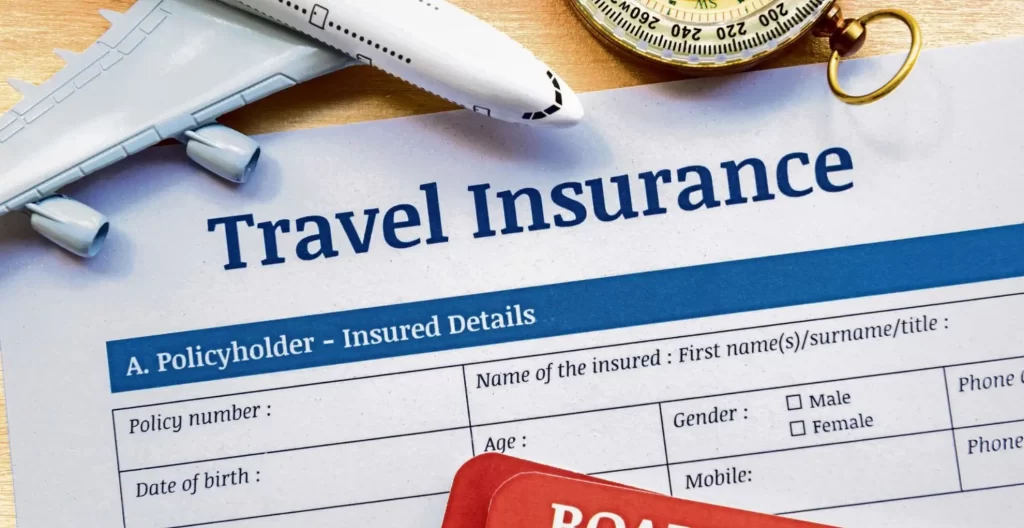
Travel in 2026 looks different. More Filipinos are traveling abroad for leisure, business, study, and migration. At the same time, flight disruptions, medical emergencies, and unexpected travel restrictions remain real concerns.
Travel insurance in the Philippines has become an essential safeguard that protects both your finances and your travel plans.
Whether you’re flying within Asia or heading long-haul to Europe or North America, having travel insurance coverage helps you manage risks before and during your trip.
Why Travel Insurance Matters More Today
Travel exposes you to risks that do not exist at home, including:
- Flight cancellations or long delays
- Lost or delayed baggage
- Medical emergencies abroad
- Accidental injuries during travel
- Trip interruptions due to unforeseen events
- Emergency evacuation and repatriation
Medical treatment overseas can be extremely expensive. Without proper coverage, even minor emergencies can lead to significant financial strain.
Travel insurance providers in the Philippines operate under the supervision of the Insurance Commission to ensure consumer protection and compliance.
What Travel Insurance Typically Covers
✈ Trip Protection Benefits
- Trip cancellation before departure
- Trip interruption after departure
- Flight delays
- Missed connecting flights
These benefits help recover prepaid, non-refundable expenses.
🏥 Emergency Medical Coverage
- Hospitalization abroad
- Outpatient treatment
- Emergency dental care
- Medical evacuation
- Repatriation of remains
Travel medical insurance in the Philippines is one of the most important components, especially for international travel.
🧳 Personal Belongings Protection
- Lost baggage
- Delayed baggage
- Theft of personal items
- Passport replacement assistance
Travel disruptions often involve luggage issues, and this coverage helps reduce financial losses.
⚖ Personal Liability Coverage
Provides protection if you accidentally cause injury to someone or damage property while traveling abroad.
Is Travel Insurance Required?
For some destinations, yes.
Countries within the Schengen Area often require Schengen travel insurance in the Philippines before issuing a visa. Even when not mandatory, it is strongly recommended for international travel.
Travel insurance is typically optional for domestic trips but still provides valuable protection.
How Premiums Are Calculated
Premiums are usually based on:
- Destination country or region
- Length of stay
- Traveler’s age
- Coverage limits selected
- Purpose of travel
Longer trips and destinations with higher medical costs may result in higher premiums.
Who Should Strongly Consider Travel Insurance
- International tourists
- Overseas Filipino Workers on short-term travel
- Business travelers
- Students studying abroad
- Families traveling with children
- Senior travelers
Even short trips can be disrupted, making affordable travel insurance in the Philippines a practical investment.
Before You Buy: Key Questions to Ask
- What is the maximum medical coverage limit?
- Are pre-existing conditions covered?
- What exclusions apply?
- Is COVID-related treatment included?
- What documents are required for claims?
Understanding policy terms helps avoid issues during emergencies.
Travel Insurance as Part of Trip Planning
Travel insurance should be arranged when booking flights and accommodations, not after. It serves as a financial safety net against unexpected disruptions.
With global travel continuing to grow, having the right travel insurance in the Philippines allows you to travel confidently without unnecessary financial risk.
If you are also protecting assets at home or your business, you may want to explore property insurance in the Philippines for complete financial protection.
Sources
Consumer Insurance Guidelines — Insurance Commission
Financial Consumer Protection Resources — Bangko Sentral ng Pilipinas
Travel Advisory and Risk Information — Department of Foreign Affairs