
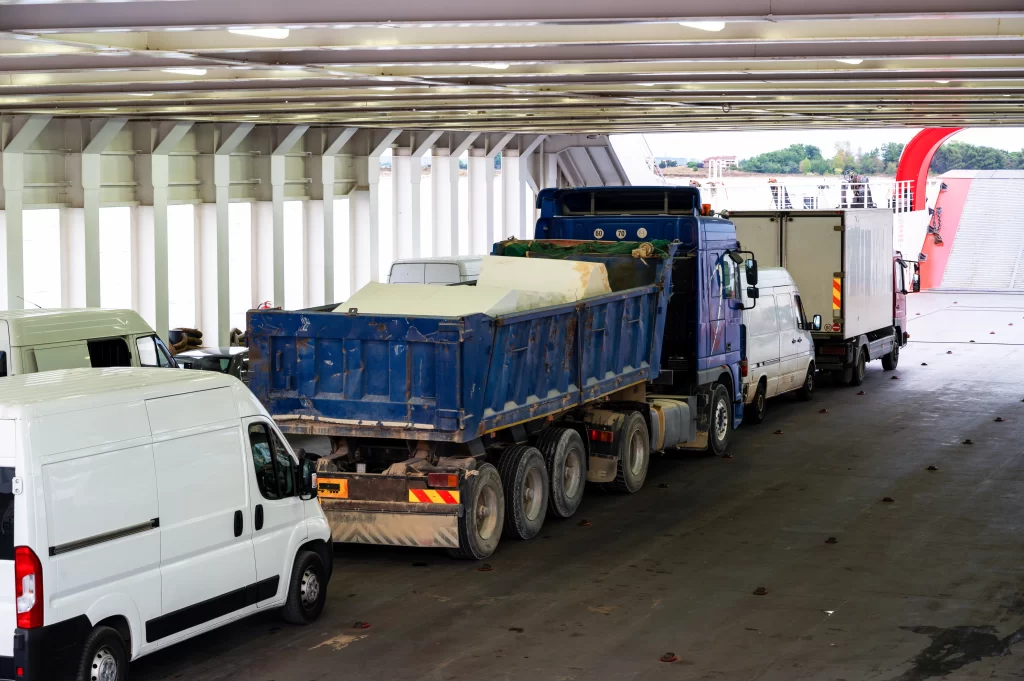
Commercial trucks play an important role in the Philippine economy. They transport raw materials, construction supplies, food products, equipment, and other goods that keep businesses operating.
For companies that depend on transportation, a truck is more than just a vehicle. It is an important business asset that supports deliveries, generates revenue, and maintains relationships with customers and suppliers.
However, operating commercial vehicles also comes with financial risks. Road accidents, theft, fire, and natural disasters can result in expensive repairs, vehicle replacement costs, and disruptions to business operations.
This is why having appropriate truck insurance in the Philippines is an important consideration for trucking companies and businesses that operate commercial vehicles.
What Is Truck Insurance?
Truck Insurance is a type of motor vehicle insurance designed to provide financial protection for commercial trucks against specified risks.
Depending on the policy, coverage may include accidental damage, theft, fire, third-party liability, and other insured events.
Unlike insurance intended for private vehicles, commercial truck insurance considers the vehicle’s business use, type, value, and operating conditions.
Businesses may need coverage for different types of commercial vehicles, including:
- Delivery trucks
- Cargo trucks
- Light commercial trucks
- Heavy-duty trucks
- Dump trucks
- Refrigerated trucks
- Company-owned transport vehicles
The appropriate coverage depends on the vehicle’s classification, intended use, operating territory, and the terms offered by the insurance provider.
Why Do Businesses Need Truck Insurance?
A commercial vehicle can be exposed to several risks while traveling, loading goods, making deliveries, or operating on public roads.
An unexpected incident can affect more than the truck itself. It may also create additional expenses and disrupt normal business activities.
Here are some reasons businesses should consider truck insurance.
1. Protection Against Road Accidents
Commercial trucks spend considerable time on the road, often traveling long distances and operating in different traffic and road conditions.
Collisions, overturning, and other road accidents can result in significant vehicle damage.
Depending on the policy, truck insurance may help cover eligible repair or replacement costs resulting from covered accidents.
2. Protection Against Theft
Commercial trucks are valuable business assets and may carry equipment or other property.
Theft can result in substantial financial losses, particularly for businesses that rely on their vehicles to fulfill regular deliveries.
Coverage for theft may be included in a comprehensive truck insurance policy, subject to its terms, conditions, and exclusions.
3. Financial Protection Against Third-Party Claims
An accident involving a commercial truck may cause injury to other people or damage to their property.
These incidents may result in third-party claims and legal expenses.
Motor vehicle insurance may include third-party liability protection, depending on the policy and applicable coverage limits.
Businesses should understand the difference between Compulsory Third Party Liability (CTPL) and additional third-party liability coverage under a comprehensive motor policy.
4. Protection Against Natural Disasters
The Philippines regularly experiences typhoons, flooding, and other natural hazards that can damage commercial vehicles.
Trucks operating in flood-prone areas or traveling during severe weather may face additional exposure.
Businesses should review whether their truck insurance includes Acts of Nature coverage, such as protection against flood and typhoon damage.
For more information, read our guide to Acts of Nature Insurance in the Philippines.
What Does Truck Insurance Cover?
Coverage varies depending on the insurer and the policy selected. A comprehensive commercial vehicle policy may include the following:
Own Damage
This coverage may help pay for repairs when an insured truck sustains accidental damage resulting from a covered event.
Theft
Coverage may apply when an insured truck is stolen, subject to the policy’s requirements and conditions.
Fire
A policy may cover damage or loss caused by fire, depending on the insured perils and applicable provisions.
Third-Party Bodily Injury
This provides protection against certain claims involving bodily injury or death suffered by third parties in connection with an insured vehicle.
Third-Party Property Damage
This may cover eligible claims involving damage to another person’s property caused by an insured vehicle.
Acts of Nature
Depending on the policy and selected extensions, coverage may include damage caused by natural events such as floods, typhoons, and other specified perils.
Business owners should always review the actual policy wording to confirm which benefits are included, their limits, and any applicable deductibles.
CTPL vs. Comprehensive Truck Insurance
One of the most important distinctions commercial vehicle owners should understand is the difference between Compulsory Third Party Liability and comprehensive motor vehicle insurance.
Compulsory Third Party Liability (CTPL) is required for vehicle registration in the Philippines. It provides limited protection for covered third-party bodily injury or death claims under applicable regulations.
However, CTPL does not provide comprehensive protection for the insured truck itself.
Comprehensive Truck Insurance, on the other hand, may provide broader protection, including:
- Accidental damage to the insured truck
- Theft
- Fire
- Third-party property damage
- Additional coverage for specified natural disasters, if included
For businesses that depend on their trucks for daily operations, relying on CTPL alone may leave important financial risks unaddressed.
Does Truck Insurance Cover the Goods Being Transported?
This is an important consideration for trucking and logistics businesses.
Truck Insurance primarily concerns the insured vehicle and its applicable motor-related coverage. It does not automatically mean that the cargo being transported is insured.
For example, a truck may be covered against accidental damage while the goods inside it may have separate insurance requirements.
Businesses transporting valuable merchandise, raw materials, or other goods should also consider Marine Cargo Insurance, which can provide protection for insured goods during transit, subject to the policy terms and covered risks.
Having appropriate vehicle and cargo coverage can help businesses address different types of financial exposure during transportation.
How Much Does Truck Insurance Cost in the Philippines?
There is no single fixed premium for truck insurance. The cost depends on several factors that insurers consider when evaluating the vehicle and its risks.
These may include:
Type and Value of the Truck
The vehicle’s make, model, year, declared value, and classification can affect the premium.
Higher-value vehicles may require higher insured amounts and potentially higher premiums.
Intended Use
A truck used for private company operations may have a different risk profile from one used for commercial deliveries, construction, or long-distance transportation.
Businesses should accurately declare how their vehicles are used.
Operating Location
The areas where a truck regularly travels or operates may influence the insurer’s assessment of risk.
Exposure to traffic congestion, accidents, theft, and natural hazards may be considered.
Coverage and Limits
The selected coverage, third-party liability limits, Acts of Nature extensions, and deductibles can affect the total premium.
A policy with broader protection may cost more than one with limited coverage.
Claims History
Previous claims and the vehicle’s insurance history may also be considered during underwriting.
Businesses should provide accurate information when requesting quotations to ensure that the proposed coverage reflects their actual requirements.
What Documents Are Needed to Insure a Commercial Truck?
Requirements may vary depending on the insurer and the type of vehicle.
Commonly requested documents include:
- Vehicle Official Receipt (OR)
- Certificate of Registration (CR)
- Vehicle details, including make, model, year, and body type
- Insured or declared vehicle value
- Photographs of the truck, when required
- Business information, when applicable
- Existing policy details for renewals
Additional documents may be requested for specialized or heavy commercial vehicles.
Providing complete and accurate information helps insurers evaluate the vehicle and prepare an appropriate quotation.
What Should Businesses Consider Before Purchasing Truck Insurance?
Before selecting a policy, commercial vehicle owners should review more than just the premium.
Consider these important points:
- Coverage requirements: Identify the risks that are most relevant to your vehicles and business operations.
- Insured value: Make sure the declared value reasonably reflects the truck’s current value.
- Business use: Declare whether the vehicle is used for delivery, hauling, construction, or other commercial activities.
- Coverage limits: Review the maximum amounts payable for own damage and third-party claims.
- Acts of Nature: Determine whether additional protection against flooding and other natural hazards is included.
- Deductibles: Understand the amount you may need to pay when filing a covered claim.
- Exclusions: Review circumstances and types of losses that the policy does not cover.
You can also read our article on Common Insurance Claim Mistakes Filipinos Should Avoid to understand why proper documentation and knowledge of policy conditions matter when filing a claim.
For businesses with several commercial vehicles, it is also worth reviewing the company’s broader Business Insurance Checklist to identify other areas that may require protection.
Protect Your Commercial Vehicles With PowerWealth
Commercial trucks are essential to businesses involved in transportation, logistics, construction, distribution, and other industries.
An unexpected accident, theft, or covered natural disaster can result in significant repair costs and financial disruption. Having appropriate insurance can help businesses manage these risks and protect valuable commercial vehicles.
PowerWealth Insurance Services offers Truck Insurance solutions for businesses looking to protect their commercial vehicles against covered risks.
Whether you operate a single delivery truck or manage a fleet of commercial vehicles, reviewing your insurance requirements is an important step toward protecting your business operations.
Contact PowerWealth Insurance Services to explore Truck Insurance options suited to your business needs.