

In today’s fast-moving global economy, businesses rely heavily on efficient and secure supply chains. Whether importing raw materials or exporting finished goods, products travel thousands of miles across multiple transport modes before reaching their destination.
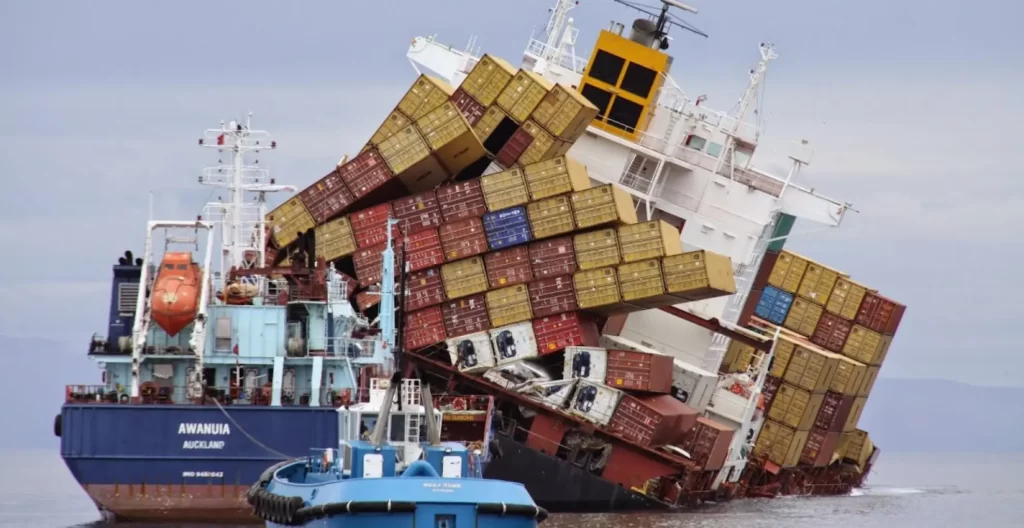
However, this journey comes with risks. Goods in transit face threats such as rough weather, theft, handling damage, and logistical delays. Without proper protection, even a single incident can result in significant financial loss.
This is where Marine Cargo Insurance becomes essential. It acts as a financial safeguard, ensuring that your business remains protected even when unexpected events disrupt your supply chain.
If you are operating in the Philippines, having reliable Cargo Insurance Philippines coverage is especially important due to the country’s reliance on maritime trade and exposure to weather-related risks.
What is Marine Cargo Insurance?
Marine Cargo Insurance is a specialized policy designed to protect goods while they are being transported from one location to another. Despite its name, it is not limited to sea transport.
It covers shipments moved through:
- Sea freight
- Air cargo
- Land transportation such as trucks
- Rail systems
Coverage typically begins when goods leave the warehouse and continues until they reach the final delivery point. This is often referred to as warehouse-to-warehouse coverage.
For businesses engaged in international trade, this type of Shipping Insurance ensures that goods are protected at every stage of the journey.
Why Marine Cargo Insurance is Critical in 2026
Global trade has become more complex, and risks have increased due to environmental, legal, and logistical factors. Here are the key reasons why Goods in Transit Insurance is more important than ever:
1. General Average Risk
General Average is a long-standing maritime principle that requires all cargo owners to share losses if part of the shipment is sacrificed to save the vessel.
For example, if containers are thrown overboard during a storm to stabilize a ship, all cargo owners must contribute financially, even if their goods were not damaged.
Without Marine Cargo Insurance, businesses may be forced to pay large unexpected costs just to retrieve their shipment.
2. Climate and Route Volatility
Changing weather patterns and global shipping congestion are increasing risks in transit.
- Stronger storms can damage cargo
- Port congestion can lead to delays and spoilage
- Refrigerated cargo may fail due to extended transit times
For companies dealing with perishable or sensitive goods, Import Export Insurance is crucial to prevent losses from these unpredictable conditions.
3. Limited Carrier Liability
Many businesses assume that shipping companies will cover damages. In reality, carriers operate under strict international conventions that limit their liability.
In most cases, compensation is calculated per package or per kilogram, which is often far below the actual value of the goods.
Marine Cargo Insurance fills this gap by providing full-value protection, ensuring that your business does not absorb the financial loss.
4. Theft, Damage, and Handling Risks
Cargo passes through multiple checkpoints, warehouses, and handlers before reaching its destination. Each transfer increases the risk of:
- Theft or pilferage
- Mishandling
- Accidental damage
Having proper Shipping Insurance ensures that these risks are covered, regardless of where they occur in the supply chain.
What Does Marine Cargo Insurance Cover?
Coverage depends on the policy type, but most Marine Cargo Insurance plans include protection against:
- Physical loss or damage to goods
- Fire and explosion
- Vessel sinking or capsizing
- Collision or overturning during land transport
- Natural disasters such as typhoons and earthquakes
- General Average contributions
- Theft and non-delivery
Businesses can also customize policies based on the type of cargo and shipping method.
Types of Marine Cargo Insurance Policies
Understanding the different policy types helps businesses choose the right level of protection.
1. All Risk Coverage
This provides the most comprehensive protection, covering almost all causes of loss or damage unless specifically excluded.
2. Named Perils Coverage
This policy only covers risks explicitly listed in the contract, such as fire, collision, or sinking.
3. Open Policy
Ideal for businesses with frequent shipments. It provides continuous coverage without requiring separate policies for each shipment.
4. Voyage Policy
Covers a single shipment from origin to destination. This is suitable for occasional shipments.
Who Needs Marine Cargo Insurance?
Marine Cargo Insurance is essential for:
- Importers and exporters
- Manufacturers
- Distributors and wholesalers
- E-commerce businesses shipping internationally
- Logistics and freight forwarding companies
If your business relies on moving goods, Goods in Transit Insurance is not optional. It is a critical component of risk management.
Marine Cargo Insurance in the Philippines
The Philippines is highly dependent on maritime trade, making Cargo Insurance Philippines a necessity for many businesses.
With frequent typhoons, port congestion, and inter-island shipping, the risks associated with transporting goods are significantly higher compared to other regions.
Local businesses must ensure that their shipments are properly insured to avoid financial disruption.
How to Choose the Right Marine Cargo Insurance
When selecting a policy, consider the following factors:
- Type and value of goods
- Shipping routes and destinations
- Frequency of shipments
- Risk exposure such as weather and handling
- Required coverage limits
Working with an experienced insurance provider can help tailor a policy that fits your business needs.
Sources
For further reading and credibility, you can reference the following:
- Munich Re – What is General Average
- Allianz Commercial – Safety and Shipping Review 2025/2026
- WTW – Insurance Marketplace Realities 2026 Marine Cargo
- International Maritime Organization – Liability Conventions
- Tokio Marine America – Strange Ocean Claims
- Pioneer Insurance Philippines – Marine Cargo Solutions
Marine Cargo Insurance FAQs
What is Marine Cargo Insurance?
Marine Cargo Insurance protects goods from loss or damage while being transported by sea, air, or land from origin to destination.
Is Marine Cargo Insurance required for shipping?
It is not always legally required, but it is highly recommended because carrier liability is limited and may not cover the full value of your goods.
What does Goods in Transit Insurance cover?
It covers risks such as theft, damage, accidents, natural disasters, and General Average contributions during transportation.
Who needs Cargo Insurance in the Philippines?
Importers, exporters, manufacturers, and businesses involved in shipping goods should have cargo insurance to protect against transit risks.
What is the difference between All Risk and Named Perils coverage?
All Risk covers most types of loss unless excluded, while Named Perils only covers specific risks listed in the policy.