In high-value industries such as construction, engineering, and manufacturing, trust alone is not enough. When projects involve large investments and strict timelines, stakeholders need assurance that obligations will be fulfilled.
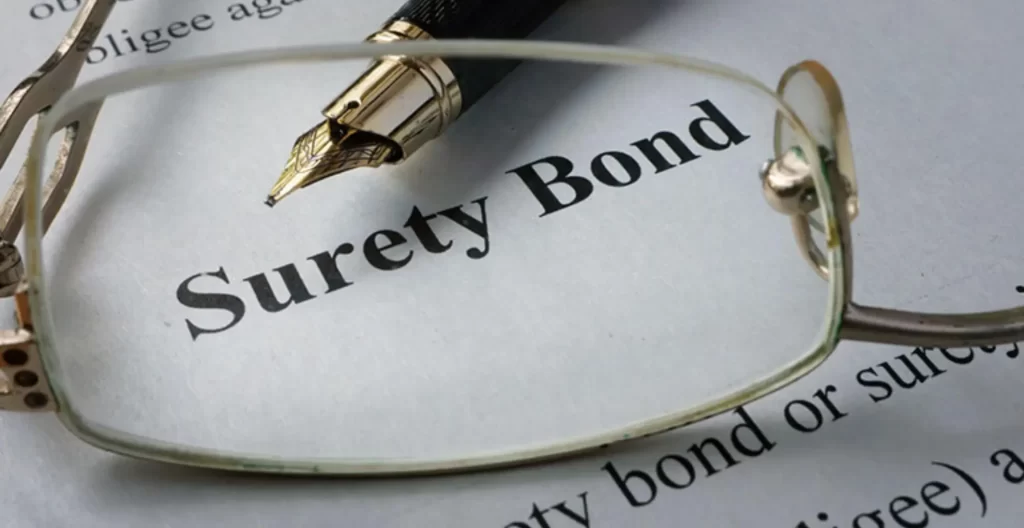
This is where a Surety Bond plays a critical role. Unlike traditional insurance, which covers unforeseen accidents, a surety bond guarantees performance and accountability.
For businesses in the Philippines, having a reliable Surety Bond Philippines solution is essential when dealing with both private and government contracts.
What is a Surety Bond?
A Surety Bond is a legally binding agreement involving three parties:
- Principal – the contractor or party responsible for fulfilling the obligation
- Obligee – the project owner or entity requiring the bond
- Surety – the company that guarantees the Principal’s performance
If the contractor fails to meet their obligations, the Surety steps in to either complete the project or compensate the Obligee for the loss.
This makes surety bonds a key form of Contract Bond protection in modern business transactions.
Why Surety Bonds Matter in 2026
As industries grow more competitive and projects become more complex, surety bonds are more important than ever.
1. Increased Project Risks
Large-scale infrastructure and private developments involve multiple stakeholders and tight deadlines. A Performance Bond ensures that projects are completed according to agreed specifications.
2. Financial Protection for Stakeholders
Without a surety bond, project owners risk delays, financial loss, or incomplete work. Surety bonds provide a financial safety net that protects investments.
3. Stronger Regulatory Requirements
Many government and private contracts now require bonding as a prerequisite. This ensures only qualified contractors can participate in projects.
The Big Three of Contract Bonding
Understanding the core types of surety bonds helps businesses choose the right protection:
1. Bid Bond
A Bid Bond ensures that a contractor who wins a project will proceed with signing the contract and securing the required bonds.
This helps filter out unqualified or non-serious bidders, especially in competitive markets.
2. Performance Bond
A Performance Bond guarantees that the contractor will complete the project according to the contract terms, including specifications, timelines, and quality standards.
It is the most critical type of bond in construction and infrastructure projects.
3. Payment Bond
A Payment Bond ensures that subcontractors, laborers, and suppliers are paid properly.
Without this, unpaid parties could file claims or place liens on the project, creating legal and financial complications for the owner.
Surety Bonds in the Philippines
In the Philippines, surety bonds play a vital role in both public and private sector projects.
Callable on Demand Requirement
Many government-required bonds are “callable on demand.” This means that once a valid claim is filed, the surety must pay promptly without lengthy investigations.
This provides stronger protection for project owners and aligns with regulations set by the Insurance Commission.
The GSIS Factor
For government infrastructure projects, contractors often secure bonds through the Government Service Insurance System.
This organization provides specialized bonding solutions for national agencies such as the Department of Public Works and Highways.
Beyond Construction: Other Uses of Surety Bonds
Surety bonds are not limited to construction projects. They are also used in:
- Licensing requirements for businesses
- Customs and import regulations
- Court bonds and legal guarantees
- Scholarship agreements
For example, scholars under the Department of Science and Technology may be required to secure a bond to ensure they fulfill their service obligations after completing their studies.
Who Needs a Surety Bond?
Surety bonds are essential for:
- Contractors and construction firms
- Engineering companies
- Suppliers and subcontractors
- Importers and exporters
- Businesses applying for government permits or licenses
If your business enters into agreements that require guaranteed performance, a surety bond is a critical requirement.
How to Choose the Right Surety Bond
Selecting the right bond depends on several factors:
- Type of project or obligation
- Contract requirements
- Financial capacity of the principal
- Risk level of the project
Working with an experienced provider ensures that your bond meets legal requirements and offers the right level of protection.
Sources
- Schauer Group – Corporate Surety Forecast 2026
- SBA – FY25/26 Surety Bond Guarantee Results
- Seubert – Surety Trends to Watch in 2026
- Research and Markets – Surety Market Report 2026
Surety Bond FAQs
What is a surety bond?
A surety bond is a three-party agreement that guarantees a contractor will fulfill their obligations to a project owner.
What is the difference between insurance and a surety bond?
Insurance protects against unexpected events, while a surety bond guarantees performance and compliance with a contract.
Who needs a surety bond in the Philippines?
Contractors, businesses, and individuals involved in government or regulated projects often need surety bonds.
What does a performance bond cover?
A performance bond ensures that a project is completed according to contract terms, including timelines and quality standards.
What is a payment bond?
A payment bond guarantees that subcontractors, laborers, and suppliers are paid for their work and materials.