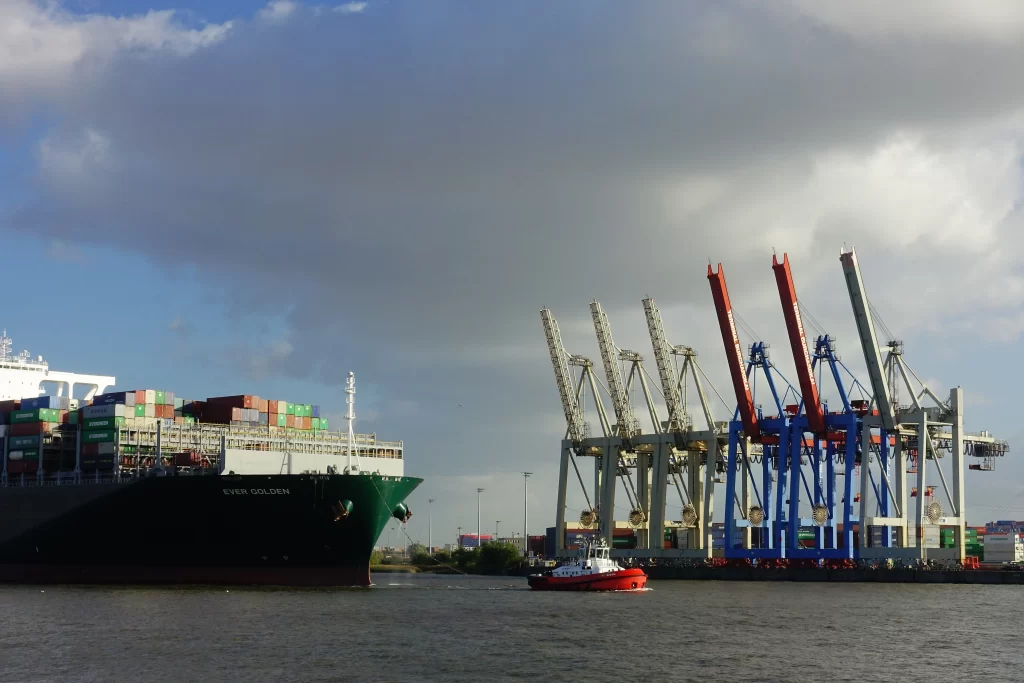
The Philippines depends heavily on maritime transportation to move goods, connect islands, and support industries such as shipping, fishing, logistics, and passenger transport. For businesses that operate vessels, protecting these assets is an important part of managing operational and financial risks.
Ships and their machinery represent significant investments. Damage caused by collisions, grounding, onboard incidents, or other maritime hazards can result in expensive repairs and operational disruption.
Marine Hull and Machinery Insurance in the Philippines helps vessel owners manage certain financial risks associated with physical damage to their insured vessels and machinery, subject to the terms of the policy.
Understanding how this coverage works can help shipowners and operators make informed decisions about protecting their maritime assets.
What Is Marine Hull & Machinery Insurance?
Marine Hull and Machinery Insurance is designed to protect an insured vessel’s physical structure and specified machinery against covered losses.
The hull refers to the main body or structure of the vessel. Machinery can include engines, propulsion systems, generators, and other equipment identified in the policy.
Depending on the coverage arranged, the policy may respond to certain accidental physical damage arising from maritime operations.
The actual protection depends on the insured vessel, policy wording, coverage limits, exclusions, deductibles, and applicable conditions.
Marine Hull & Machinery Insurance is different from marine cargo insurance, which focuses on insured goods being transported rather than the vessel itself.
What Can Marine Hull & Machinery Insurance Cover?
Coverage varies according to the policy and the risks accepted by the insurer. Depending on the arrangement, protection may include the following.
1. Physical Damage to the Vessel
A vessel may sustain damage following a collision, grounding, or another covered maritime incident.
Hull coverage may help pay for eligible repair costs or other covered losses, subject to the policy’s terms and applicable limits.
2. Damage to Insured Machinery
A vessel relies on machinery to operate safely and efficiently. Damage to covered engines, propulsion systems, generators, or other insured equipment can affect its ability to operate.
Machinery-related coverage depends on the wording of the policy. Mechanical breakdown should not automatically be assumed to be covered under every hull and machinery policy.
3. Certain Maritime Accident Risks
Depending on the policy, coverage may extend to specified accidental events encountered during a vessel’s operations.
However, not every maritime incident or source of damage is automatically covered. Vessel owners should review the insured perils, exclusions, warranties, and conditions carefully.
4. Other Agreed Coverage
Additional protection may be available depending on the vessel, the insurer’s underwriting requirements, and the coverage requested.
Shipowners should discuss their operational risks with their insurance provider or agent rather than assume that all available protections are included in a standard policy.
Who Should Consider Marine Hull & Machinery Insurance?
This coverage may be relevant to businesses and individuals that own or operate vessels, including:
- Commercial shipping companies
- Cargo and marine transport operators
- Passenger vessel operators
- Fishing vessel owners
- Businesses operating workboats or other commercial vessels
- Companies that depend on vessels for regular transportation or operations
The appropriate policy depends on the type of vessel, how it is used, its operating area, and the financial exposure associated with damage or loss.
Why Is Vessel Insurance Important for Maritime Businesses?
Protecting a Significant Business Asset
A vessel is often a major capital investment. Repairing or replacing one after a serious incident can place considerable pressure on a company’s finances.
Insurance can help manage covered physical damage losses and reduce the amount of financial risk retained by the vessel owner.
Managing Unexpected Repair Expenses
Damage to a vessel or its insured machinery may require specialist inspections, parts, labor, and repair work.
When the damage falls within the policy’s coverage, insurance may help with eligible expenses according to the applicable terms and limits.
Supporting Operational Risk Management
A damaged vessel may need to be taken out of service while repairs or inspections are completed.
Although hull and machinery coverage does not automatically compensate a business for every resulting interruption or lost revenue, having appropriate physical damage protection is one component of a broader maritime risk management plan.
Protecting Business Continuity
For companies that rely on vessels to serve customers, transport cargo, or meet operational commitments, unexpected damage can create financial and logistical challenges.
Reviewing vessel insurance alongside other relevant protections can help businesses plan for these exposures.
Marine Hull Insurance vs. Marine Cargo Insurance
These two types of marine coverage protect different interests.
Marine Hull & Machinery Insurance focuses on the insured vessel and the specified machinery or equipment included in the policy.
Marine Cargo Insurance focuses on covered goods while they are being transported, subject to the policy terms.
For example, if a shipping company owns a cargo vessel, hull and machinery coverage may protect the insured vessel against covered physical damage. The cargo carried aboard may require separate cargo insurance arranged by the party with the relevant insurable interest.
Having insurance for the vessel does not automatically mean the goods on board are insured.
Learn more about marine cargo insurance to understand how cargo protection differs from vessel coverage.
What Information Is Needed to Request a Quote?
Insurers need information about the vessel and its intended operations to assess the risk and determine the terms they may offer.
Depending on the insurer’s requirements, applicants may be asked to provide:
- Vessel owner’s name and company details
- Vessel type and year built
- Tonnage and other vessel specifications
- Declared hull value
- Operating area and geographical limits
- Frequency of voyages
- Number of passengers, where applicable
- Previous loss or claims history
- Relevant registration, seaworthiness, technical, and survey documents
Additional information may be required depending on the vessel and proposed coverage.
Providing complete and accurate information can help the insurer assess the application. A quotation, its availability, and the final terms remain subject to underwriting review.
How to Choose Appropriate Marine Hull & Machinery Coverage
Before requesting a quotation, vessel owners should consider several factors.
Assess the Vessel’s Value
Review the vessel’s value and the basis on which it should be insured. Ask how the policy determines the value used when assessing a covered loss.
Review the Intended Use
A vessel’s purpose, operating conditions, voyage patterns, and geographical limits may affect the risks assessed by the insurer.
Make sure the information provided accurately reflects how the vessel will be used.
Understand the Exclusions and Deductibles
Review the situations that are excluded from coverage and the amount you may need to pay toward a covered claim.
Do not assume that all machinery failures, wear and tear, maintenance issues, or operational losses are covered.
Check Documentation Requirements
Keep the vessel’s registration, technical records, relevant certificates, and other requested documents organized and up to date.
The insurer may require specific documents before offering terms or issuing a policy.
Consider Other Insurance Needs
Hull and machinery coverage is only one aspect of maritime risk management. Depending on the business, separate protection may be needed for cargo, third-party liabilities, crew-related exposures, or business interruption.
Each policy has its own scope, terms, and limitations, so the different protections should be reviewed together.
Explore Marine Hull & Machinery Insurance with PowerWealth
For vessel owners and maritime businesses, understanding the risks associated with operating a ship is an important step toward protecting their investment.
Marine Hull & Machinery Insurance can help manage certain covered physical damage risks involving an insured vessel and its machinery. The right arrangement depends on the vessel, its operations, the coverage requested, and the terms offered by the insurer.
PowerWealth Insurance Services can help you explore available marine insurance options and identify the information needed to begin a quotation.
Visit our Marine Hull & Machinery Insurance page to learn more or contact our team to discuss your vessel’s insurance requirements.
All coverage is subject to the applicable policy wording, terms, conditions, limits, exclusions, deductibles, and insurer underwriting approval.