

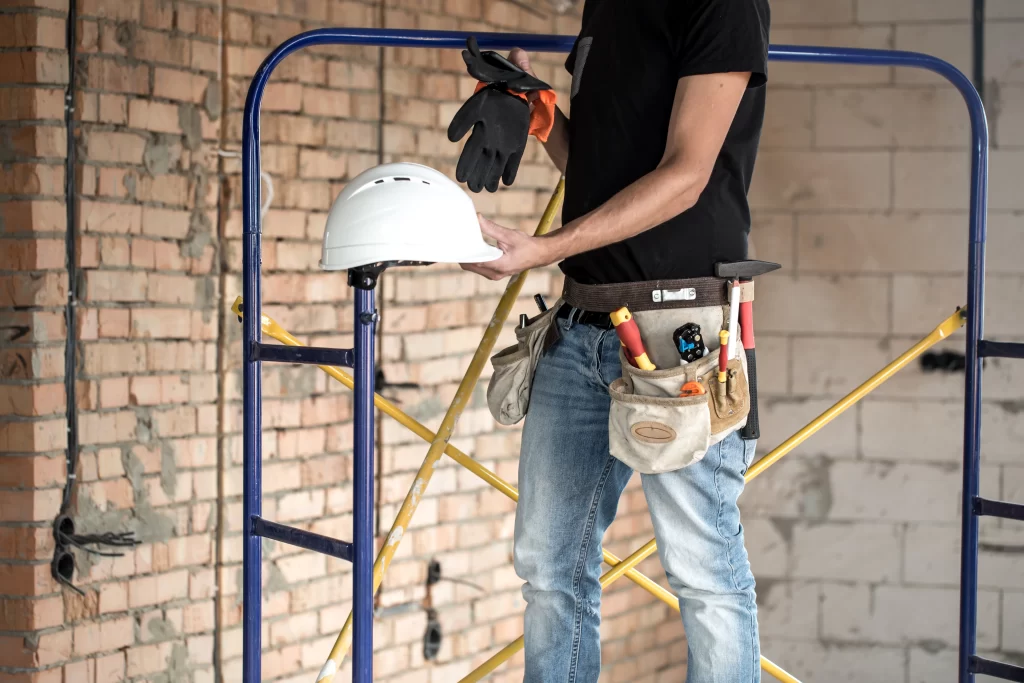
Construction projects involve significant investments in materials, equipment, labor, and other resources. Even with proper planning and safety measures, unexpected events can cause physical damage, delays, and financial losses during construction.
Contractor’s All Risk Insurance (CARI) is designed to provide protection against certain risks associated with construction projects. It can help contractors and project stakeholders manage the financial impact of covered losses that occur during the construction period.
This guide explains what CARI is, what it generally covers, common exclusions, requirements, factors affecting the premium, and how contractors can prepare for a CARI quotation in the Philippines.
What Is Contractor’s All Risk Insurance?
Contractor’s All Risk Insurance, commonly known as CARI, is a type of construction insurance designed to cover certain accidental physical loss or damage arising in connection with an insured construction project.
Depending on the policy terms, CARI may provide coverage for the contract works, construction materials, temporary works, and certain construction equipment. It may also include third-party liability coverage for certain claims arising from the construction project.
The exact protection depends on the policy wording, declared project details, limits, deductibles, extensions, and exclusions.
CARI is generally arranged for a specific construction project and is intended to remain in force during the applicable construction period stated in the policy.
What Does CARI Cover?
CARI coverage varies according to the policy, but construction projects may commonly involve protection for areas such as:
1. Contract Works
The main section of CARI typically concerns the physical construction works being undertaken.
Depending on the policy, this may include buildings, structures, civil works, and other portions of the project that are included in the insured contract.
2. Construction Materials
Materials intended to become part of the completed project may be covered when they suffer covered physical loss or damage during the insured period.
Examples may include:
- Construction materials
- Building components
- Fixtures
- Structural materials
- Other project materials declared under the policy
3. Temporary Works
Certain temporary structures and works required for construction may also be included, subject to the policy terms.
Examples can include temporary supports, site structures, and other temporary works associated with the project.
4. Construction Equipment
Construction equipment and machinery used for the project may be covered when specifically included and subject to the applicable policy conditions.
The treatment of equipment can vary depending on whether it is owned, rented, leased, or otherwise used by the contractor.
5. Debris Removal
Some CARI policies may provide coverage for debris removal following covered physical damage.
The applicable limit and conditions should be reviewed before relying on this coverage.
6. Third-Party Liability
CARI may also include a third-party liability section, depending on the policy arrangement.
This can address certain covered claims involving third parties arising from the construction project, subject to the policy’s terms, conditions, limits, and exclusions.
For a more detailed explanation, read our guide on what CARI covers.
What Does CARI Not Cover?
The term “All Risk” does not mean that every possible loss is automatically covered.
CARI policies contain exclusions, conditions, deductibles, and other limitations.
Depending on the policy wording, common exclusions or limitations may involve:
- Normal wear and tear
- Defective design
- Faulty workmanship or materials, depending on the circumstances
- Intentional acts
- Certain consequential losses
- Certain financial losses caused by delays
- War and other specified risks
- Nuclear-related risks
- Certain mechanical or electrical breakdowns
- Losses specifically excluded by the policy
The actual exclusions vary by policy. Contractors should review the policy wording and discuss project-specific risks with their insurance provider before purchasing coverage.
Who Needs CARI?
CARI may be relevant to businesses and parties involved in construction projects, particularly where the project involves significant construction values or contractual insurance requirements.
Potential users may include:
- General contractors
- Construction companies
- Building contractors
- Civil engineering contractors
- Property developers
- Project owners
- Other parties involved in construction projects
Some construction contracts may require the contractor to maintain specific insurance coverage for the duration of the project.
Whether CARI is appropriate depends on the nature, size, contract requirements, and risks of the particular project.
What Construction Projects Can CARI Apply To?
CARI may be arranged for different types of construction and engineering projects.
Examples can include:
- Building construction
- Commercial developments
- Residential developments
- Infrastructure projects
- Civil engineering works
- Renovation and structural works
- Industrial projects
- Other construction projects
The suitability of coverage depends on the project’s characteristics and the insurer’s underwriting requirements.
CARI Requirements in the Philippines
When applying for a CARI quotation, insurers generally need information about the construction project to assess the risks involved.
Commonly requested information may include:
- Project name
- Project location
- Contractor information
- Project owner information
- Description of the project
- Contract price or project value
- Construction period
- Start and expected completion dates
- Scope of work
- Bill of Quantities (BOQ)
- Construction plans or specifications
- Contract information
- Notice to Proceed (NTP), when applicable
- Details of the construction site
- Information about construction methods and equipment
Additional documents may be requested depending on the project and underwriting requirements.
For a detailed checklist, read our CARI Requirements in the Philippines guide.
How Much Does CARI Cost?
There is no single fixed price for CARI because the premium depends on the characteristics and risk profile of the project.
Factors that may affect the premium include:
- Total contract value
- Type of construction
- Project location
- Construction period
- Nature and complexity of the project
- Construction methods
- Project experience
- Coverage limits
- Deductibles
- Additional coverage or extensions
- Risk factors at the construction site
A proper quotation requires project-specific information so that the insurer can evaluate the risk and determine the applicable premium.
CARI vs. CGL: What Is the Difference?
CARI and Commercial General Liability (CGL) can both be relevant to construction businesses, but they address different areas of risk.
CARI primarily focuses on certain physical loss or damage connected with the insured construction project.
CGL primarily addresses certain third-party liability claims arising from covered business activities.
For example, a construction project may experience accidental physical damage to covered contract works. This is the type of risk CARI is designed to address, subject to the policy.
A separate situation could involve a third party claiming damages because of an incident connected with the contractor’s operations. This may fall under CGL, depending on the circumstances and policy terms.
For a detailed comparison, read our article on CARI vs. CGL.
Can a Construction Project Have Both CARI and CGL?
Yes, a construction business or project may have both types of coverage because they address different exposures.
Having one does not automatically mean that the risks addressed by the other are covered.
The appropriate combination depends on the project’s contract requirements, operations, risk exposures, and insurance arrangements.
Contractors should review the specific coverage provided under each policy rather than assuming that one policy covers every construction-related risk.
CARI Deductibles
A deductible is the amount that may be borne by the insured before the insurer pays an eligible claim, subject to the policy terms.
CARI policies can contain different deductibles depending on the type of loss or the particular risk.
For example, a policy may apply different deductibles to certain natural catastrophe risks or other specified losses.
The deductible should be reviewed carefully when comparing insurance quotations because a lower premium may come with different deductible arrangements.
Why Project Information Matters When Applying for CARI
Construction projects can differ significantly in their size, location, construction methods, materials, and risk exposures.
Providing accurate project information helps the insurer evaluate the risk and determine appropriate terms.
Incomplete or inaccurate information can create problems during underwriting and may affect how a claim is handled.
Before requesting a quotation, contractors should prepare the basic project information and supporting documents available to them.
How to Prepare for a CARI Quotation
To make the quotation process more efficient, prepare the following information:
Step 1: Identify the Project
Prepare the project name, location, owner, contractor, and a brief description of the work.
Step 2: Determine the Project Value
Have the contract value or applicable project cost information available.
Step 3: Confirm the Construction Period
Provide the expected start date and completion date of the project.
Step 4: Prepare Project Documents
Gather available documents such as the BOQ, construction plans, specifications, contract information, and NTP.
Step 5: Identify Additional Risks
Provide information about unusual construction methods, high-risk activities, special equipment, difficult site conditions, or other circumstances that may affect the project.
Step 6: Request a Quotation
Submit the project information to an insurance provider or authorized insurance agent for assessment and quotation.
What Happens After a CARI Inquiry?
After receiving the project information, the insurance provider can review the details and determine the applicable underwriting requirements.
Additional information may be requested depending on the nature and complexity of the project.
Once the necessary information has been reviewed, the insurer can provide applicable terms, coverage limits, deductibles, and premium information for consideration.
The final coverage depends on the issued policy and its terms and conditions.
Frequently Asked Questions About CARI
Is CARI required for every construction project?
Not necessarily. Requirements can depend on the project contract, owner, financing arrangements, applicable requirements, and the specific circumstances of the construction project.
Does CARI cover construction delays?
CARI is primarily concerned with covered physical loss or damage and does not automatically cover every financial loss resulting from a delay. Any applicable coverage for delay-related losses must be specifically provided for under the policy.
Does CARI cover workers’ injuries?
CARI should not automatically be treated as a replacement for employee-related insurance or benefits. Worker-related risks can involve separate insurance arrangements and legal or contractual requirements.
Does CARI cover defective workmanship?
Not every consequence of defective workmanship is automatically covered. The policy wording, cause of loss, resulting damage, and applicable exclusions need to be considered when determining whether a particular loss is covered.
Can CARI cover construction equipment?
Certain construction equipment may be included depending on the policy arrangement and underwriting terms. The equipment and its value should be properly declared when applicable.
How long does CARI coverage last?
The policy period generally corresponds to the construction period stated in the policy, subject to the policy terms and any applicable extensions.
Can CARI be extended?
Some policies may allow extensions or additional coverage depending on the risk and underwriting approval. These should be discussed before the policy is finalized.
CARI Checklist for Contractors
Before requesting a quotation, contractors can use this basic checklist:
- Project name and location
- Contractor details
- Project owner details
- Description of construction works
- Contract value
- Construction period
- BOQ
- Construction plans
- Project specifications
- Contract or relevant project documents
- Notice to Proceed, when applicable
- Construction equipment details
- Information about special or high-risk activities
- Required coverage limits
- Contractual insurance requirements
Having these details ready can help provide the information needed for an initial CARI assessment.
Final Thoughts
Contractor’s All Risk Insurance can be an important part of managing the risks associated with construction projects in the Philippines. It can provide protection for certain covered physical loss or damage involving the insured project and may also include third-party liability coverage, depending on the policy.
However, CARI is not a blanket policy covering every construction-related loss. Coverage depends on the specific policy wording, insured risks, limits, deductibles, conditions, and exclusions.
Understanding the project, preparing the necessary documents, and reviewing the proposed coverage carefully can help contractors make informed decisions about their construction insurance requirements.
If you are preparing a construction project and need information about Contractor’s All Risk Insurance, PowerWealth Insurance Services can assist with your CARI inquiry and quotation requirements.
Contact PowerWealth to discuss your construction project and CARI requirements.