
El Niño can create significant risks for households, farmers, businesses, and industries across the Philippines.
The climate phenomenon is associated with warmer-than-average conditions and an increased likelihood of below-normal rainfall in many parts of the country. This can contribute to dry spells, drought, water supply stress, and other disruptions.
DOST-PAGASA reported in September 2026 that a strong El Niño is currently active and is expected to intensify into a very strong El Niño between September and December 2026, with conditions potentially continuing through the first half of 2027.
For businesses and property owners, this raises an important question:
Is there insurance for El Niño-related losses?
The answer depends on the type of risk and the specific insurance policy. There is not one standard insurance policy that automatically covers every consequence of El Niño.
Instead, different insurance products may address different types of losses, subject to their coverage, limits, exclusions, deductibles, and conditions.
What Is El Niño?
El Niño is a climate phenomenon associated with warmer-than-average sea surface temperatures in the central and eastern tropical Pacific Ocean.
Its effects can influence weather patterns around the world, including rainfall and temperature patterns in the Philippines.
According to PAGASA, El Niño generally increases the likelihood of below-normal rainfall conditions across much of the country, increasing the risk of dry spells and drought in vulnerable areas. However, El Niño does not mean that every part of the Philippines will experience dry conditions at all times. Western areas can still experience periods of above-normal rainfall, particularly during the Southwest Monsoon or Habagat.
Because the effects vary by location and sector, businesses and property owners need to consider the specific risks affecting their operations.
Is There El Niño Insurance in the Philippines?
There is no single standard insurance policy that can simply be described as covering “El Niño.”
Insurance coverage is generally structured around specific risks or losses rather than the climate phenomenon itself.
Depending on the situation, relevant insurance may include:
- Agricultural insurance
- Property insurance
- Business interruption insurance
- Equipment or machinery-related coverage
- Other specialized insurance arrangements
The actual availability of coverage depends on the insurer, type of asset, nature of the risk, and policy terms.
This distinction is important because experiencing an El Niño event does not automatically mean that a resulting loss is covered.
El Niño and Agricultural Insurance
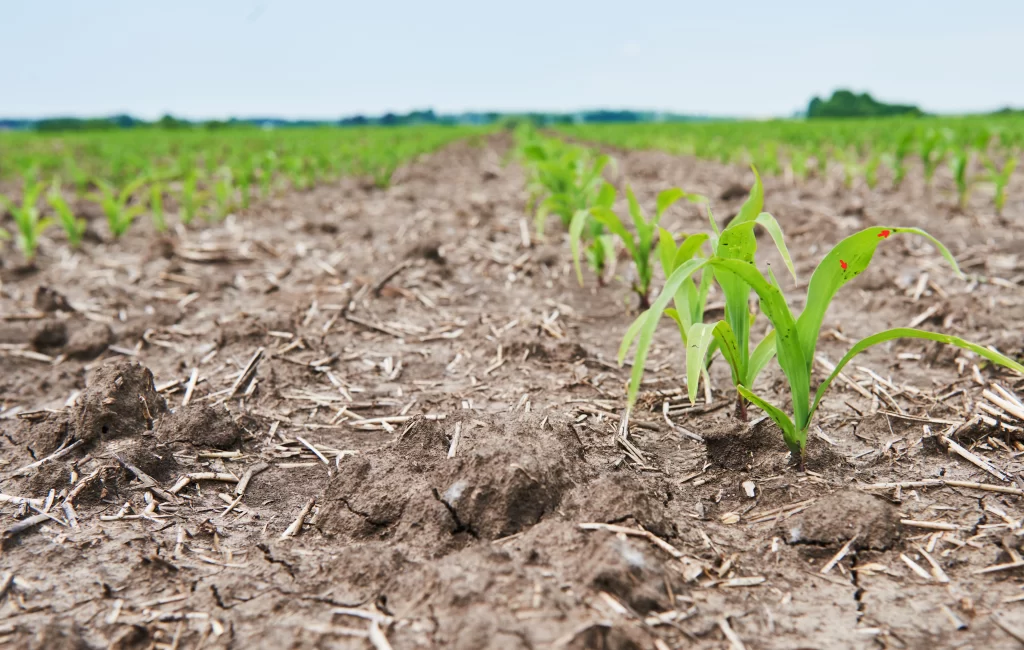
Agriculture is one of the sectors that can be particularly vulnerable to prolonged dry conditions.
Reduced rainfall can affect:
- Rice
- Corn
- High-value crops
- Livestock
- Fisheries
- Other agricultural activities
Agricultural insurance can provide protection against certain covered agricultural losses.
The Philippine Crop Insurance Corporation (PCIC), for example, provides agricultural insurance covering specified risks for various agricultural commodities. Government insurance programs can include protection against weather-related risks, natural calamities, pests, and diseases, depending on the insurance line and program.
PCIC’s 2024 annual report also shows the financial impact of climate-related agricultural losses. It reported that its total indemnity payments reached approximately ₱5.031 billion in 2024, with widespread agricultural losses from El Niño, typhoons, and other causes contributing to the claims.
Farmers and agricultural businesses should therefore determine which agricultural insurance programs are available to them and what specific perils are covered.
Does Agricultural Insurance Cover Drought?
Some agricultural insurance programs can provide protection against drought or other weather-related losses, depending on the specific insurance product.
However, drought coverage is not necessarily included in every agricultural policy.
The insured commodity, location, coverage conditions, policy period, and applicable requirements all matter.
Farmers should review the actual policy or insurance program before assuming that losses caused by dry conditions will automatically qualify for compensation.
El Niño and Property Insurance
El Niño can affect properties indirectly through heat, drought, water shortages, and other environmental conditions.
However, property insurance does not automatically cover every consequence associated with El Niño.
Property insurance generally responds according to the specific insured perils stated in the policy.
For example, certain property policies may cover specified risks such as fire, while additional protection may be available for certain natural perils through applicable extensions or endorsements.
If your business or property is located in an area affected by changing weather conditions, review your Property Insurance in the Philippines and determine whether the risks relevant to your property are actually included.
Can El Niño Cause Property Damage?
El Niño itself is a climate phenomenon rather than a single physical event such as a typhoon or earthquake.
Its effects can contribute to different types of risks.
For example, prolonged dry conditions can contribute to:
- Water shortages
- Agricultural losses
- Increased fire risk in some environments
- Operational disruptions
- Supply chain problems
- Reduced production
Whether any resulting loss is insured depends on the cause of loss and the specific policy.
This is why policyholders should avoid assuming that an insurance policy covers an event simply because the event is related to a natural or climate phenomenon.
El Niño and Business Interruption
Businesses may experience operational difficulties during prolonged periods of extreme heat, water shortages, agricultural losses, or other disruptions.
For example, a manufacturing facility may experience problems if a critical resource becomes unavailable, while an agricultural business may experience reduced production.
Business Interruption Insurance can provide protection for certain financial losses resulting from an interruption caused by an insured event.
However, business interruption coverage generally depends on the underlying insured event and the specific terms of the policy.
A business cannot simply assume that every revenue loss associated with El Niño will qualify for a business interruption claim.
The cause of the interruption must meet the requirements of the policy.
Which Businesses May Be Affected by El Niño?
El Niño can affect different industries in different ways.
Potentially affected businesses may include:
Agriculture
Farmers and agricultural businesses may face reduced rainfall and drought-related production risks.
Food and Beverage
Businesses that depend on agricultural products may experience changes in supply, production, or operating costs.
Manufacturing
Some manufacturing operations require reliable water supplies and stable environmental conditions.
Construction
Extreme heat and water shortages can affect construction schedules, worker safety, and project operations.
Logistics
Weather-related disruptions can affect transportation, supply chains, and delivery schedules.
Hospitality
Hotels, restaurants, resorts, and other businesses may face operational challenges when water or other resources become constrained.
The actual insurance needs of each business will depend on its operations and exposures.
El Niño and Fire Risk
Hot and dry conditions can contribute to conditions that increase the potential for fires in certain areas.
For businesses and property owners, this is another reason to review their fire protection and property insurance arrangements.
However, the presence of El Niño does not automatically determine whether a fire-related claim is covered.
Coverage depends on the policy and the cause and circumstances of the loss.
Businesses should review their existing property and fire insurance coverage rather than waiting until conditions become severe.
What Insurance Should Businesses Review During El Niño?
Businesses that may be exposed to El Niño-related risks can review several areas of their insurance program.
Property Insurance
Review whether buildings, equipment, machinery, inventory, and other physical assets have appropriate coverage.
Business Interruption Insurance
Determine whether the business has protection for certain income losses or additional expenses resulting from a covered interruption.
Agricultural Insurance
Agricultural businesses should investigate whether appropriate crop, livestock, or other agricultural insurance programs are available.
Equipment Insurance
Businesses that rely heavily on machinery and equipment may need to review their existing equipment-related protection.
Liability Insurance
Although liability insurance does not directly insure against drought, businesses should still maintain appropriate liability protection for risks arising from their operations.
What El Niño Insurance Does Not Automatically Cover
One of the most important things to understand is that insurance does not automatically cover every financial consequence of El Niño.
Depending on the policy, the following may not automatically be covered:
- General loss of income
- Reduced crop production
- Water shortages
- Increased operating costs
- Market price changes
- Supply shortages
- Business losses unrelated to an insured event
- Damage caused by an excluded peril
The exact exclusions depend on the policy.
For this reason, businesses should review their insurance documents before an El Niño-related disruption occurs.
Check Your Policy Before a Loss Happens
Do not wait until a drought, heat-related incident, or operational disruption occurs before checking your insurance coverage.
Review:
- Covered perils
- Coverage limits
- Deductibles
- Exclusions
- Endorsements
- Policy period
- Claim notification requirements
- Insured property
- Business interruption conditions
Your existing insurance policy exclusions are particularly important because a policy may contain specific exclusions that affect whether a particular loss can be covered.
How Can Businesses Prepare for El Niño?
Insurance should be part of a broader risk management strategy.
Businesses can also prepare by:
Monitoring Weather Advisories
Follow official PAGASA updates for information about changing climate conditions.
Reviewing Water Usage
Businesses that depend heavily on water should assess how operations would be affected by shortages.
Maintaining Equipment
Proper maintenance can help reduce operational problems during periods of extreme heat.
Protecting Inventory
Review storage conditions for products and materials that may be affected by high temperatures.
Reviewing Business Continuity Plans
Identify alternative suppliers, facilities, operating procedures, and other measures that could help maintain essential operations.
Reviewing Insurance Coverage
Confirm that current insurance policies still reflect the business’s assets, operations, and risks.
El Niño Insurance vs. Acts of Nature Coverage
El Niño and Acts of Nature coverage should not be treated as exactly the same thing.
Your existing Acts of Nature insurance coverage may address specific natural perils such as typhoons, floods, earthquakes, or other events depending on the policy.
El Niño, on the other hand, is a broader climate phenomenon whose effects can occur through drought, reduced rainfall, extreme heat, and other conditions.
The relevant question is therefore not simply:
“Does my policy cover El Niño?”
Instead, ask:
“Does my policy cover the specific loss or peril that El Niño caused?”
That distinction can be important when reviewing potential claims.
Frequently Asked Questions About El Niño Insurance
Does regular insurance cover El Niño?
Not automatically. Coverage depends on the specific insurance policy and whether the resulting loss is caused by a covered peril.
Is there drought insurance in the Philippines?
Drought-related protection can be available through certain agricultural insurance programs and other specialized arrangements, depending on eligibility and policy terms.
Does property insurance cover drought?
Not necessarily. Property insurance responds according to the insured perils and policy terms. Drought-related losses are not automatically covered simply because a property has insurance.
Does business interruption insurance cover El Niño?
It depends on the policy and the cause of the interruption. Business interruption coverage generally requires the interruption to result from an insured event covered by the policy.
Can farmers get insurance against El Niño-related crop losses?
Certain agricultural insurance programs can provide protection against specified weather-related losses, including drought in applicable circumstances. Farmers should check the specific program, eligibility requirements, and coverage conditions.
Will El Niño affect all areas of the Philippines in the same way?
No. PAGASA notes that El Niño generally increases the likelihood of below-normal rainfall in many areas, but regional conditions can differ. Western portions of the country can still experience periods of above-normal rainfall during the Southwest Monsoon.
Final Thoughts
El Niño can create significant challenges for agriculture, businesses, households, and other sectors in the Philippines.
However, there is no single insurance policy that automatically covers every loss associated with El Niño.
The appropriate protection depends on the specific risk. Agricultural insurance may be relevant for crop and livestock exposures, while property and business interruption insurance may address other types of covered losses.
As PAGASA continues to monitor the current El Niño and its expected development through 2026 and into 2027, businesses and property owners should review their risks and insurance coverage before losses occur.
Understanding your coverage, exclusions, deductibles, limits, and applicable endorsements can help you identify potential gaps and prepare for climate-related disruptions.
If you are reviewing your insurance coverage because of El Niño or other weather-related risks, PowerWealth Insurance Services can help you understand the available insurance options for your personal or business needs.