
Login
Login
Login

Author name: powerwealth

Actual cash value vs replacement cost in property insurance
PowerWealth Insurance Guide

Actual Cash Value vs. Replacement Cost in Property Insurance

When choosing property insurance, it is easy to focus on the coverage amount and premium. But there is another important detail that property owners should understand: how will the insured property be valued if a covered loss occurs? Two terms that may appear in property insurance are Actual Cash Value (ACV) and Replacement Cost. The difference matters because the method used to value damaged property can affect the amount considered when settling a claim. Understanding these terms before a loss occurs can help property owners make more informed decisions about their insurance coverage. What Is Actual Cash Value? Actual Cash Value generally refers to the value of property at the time of the loss, taking depreciation into account. Depreciation reflects the reduction in value that can occur as property gets older, experiences normal wear and tear, or becomes outdated. For example, suppose a business owns equipment that originally cost ₱500,000. Several years later, the equipment is damaged by a covered event. The cost of purchasing a comparable new unit may now be ₱600,000. However, if the equipment has depreciated because of its age and condition, its actual cash value may be lower than the current replacement cost. The actual amount considered in a claim will depend on the policy’s valuation provisions and the circumstances of the loss. What Is Replacement Cost? Replacement cost generally refers to the cost of repairing or replacing damaged property with property of comparable kind and quality, without deducting depreciation, subject to the terms, conditions, limits, and requirements of the policy. Using the same example, if comparable equipment now costs ₱600,000 to replace, a replacement-cost provision may use the current replacement cost rather than first deducting depreciation. However, replacement cost does not automatically mean the insurer will pay whatever amount the property owner spends. The policy determines what qualifies as a replacement, what costs are considered, and what limits or conditions apply. Actual Cash Value vs. Replacement Cost The simplest difference is how depreciation is treated. Actual Cash Value Replacement Cost Depreciation Generally considered Generally not deducted Basis of valuation Value at the time of loss Cost to repair or replace Age and condition Can reduce the value Generally not deducted from replacement cost Potential amount May be lower due to depreciation May be higher, subject to policy terms Important consideration Current value of the property Current cost of comparable replacement The exact treatment varies depending on the insurance policy and the type of property being insured. Why Does This Matter in Property Insurance? Imagine a property owner has a building containing several years’ worth of equipment, furniture, fixtures, and other business assets. A fire or other covered event damages those assets. The cost of replacing everything with new items could be significantly higher than the value of the old items immediately before the loss. If the policy uses a valuation method that accounts for depreciation, the amount considered for the loss may be lower than the cost of purchasing new replacements. This is why property owners should not look only at the total sum insured. They should also understand how that amount is determined and how claims will be valued. A Simple Example Consider a business that owns a piece of equipment. Under a valuation approach that takes depreciation into account, the equipment’s value for the loss could be significantly lower than ₱1,200,000. Under a replacement-cost provision, the current cost of a comparable replacement may be considered instead, subject to the policy’s conditions and limits. This is only a simplified illustration. Actual claim calculations can involve additional factors and should always be based on the applicable policy wording. Does Replacement Cost Always Mean a Higher Claim? Not necessarily. Replacement-cost coverage is still subject to the terms and conditions of the insurance policy. Other factors may affect a claim, including: A property owner should therefore avoid assuming that having replacement-cost coverage means every replacement expense will automatically be paid in full. What About the Building Itself? The same concept can be important when insuring buildings. Construction and repair costs can change over time because of changes in material prices, labor costs, equipment, and other factors. For this reason, property owners should periodically review whether the amount declared for their building remains appropriate. This is particularly important after: An outdated valuation may create problems if the property suffers a major covered loss. What About Business Contents and Equipment? Property insurance can also cover contents and assets inside a building, depending on the policy. These may include: For businesses, keeping an updated record of these assets can make it easier to review whether the insured values remain appropriate. Keep invoices, receipts, photographs, equipment specifications, and other relevant records where possible. These records can also be useful when documenting a loss. Actual Cash Value, Replacement Cost, and Market Value Are Not the Same It is also important not to confuse insurance valuation with market value. The market value of a property is influenced by factors such as location, demand, and other real-estate considerations. Insurance valuation, on the other hand, depends on the basis specified by the insurance policy. For example, the amount it would cost to rebuild a structure may not be the same as the price the entire property could command if it were sold. This is one reason why property owners should discuss valuation with their insurance provider or agent rather than simply using the property’s purchase price as the insurance amount. What Should You Ask Before Buying Property Insurance? Before purchasing or renewing property insurance, consider asking: 1. How will my property be valued? Find out whether the applicable valuation basis is actual cash value, replacement cost, or another method specified by the policy. 2. How is depreciation handled? If depreciation applies, ask how it may affect the valuation of your insured property. 3. Is my coverage amount still adequate? Review the value of your building, equipment, contents, and other insured assets, particularly after renovations or major purchases. 4. What deductibles apply? A deductible is

Family staying hydrated and protected from heat during El Niño in the Philippines
Health Tips

El Niño in the Philippines: Practical Tips to Stay Safe and Prepared

The Philippines is currently experiencing El Niño, and DOST-PAGASA has warned that the phenomenon is expected to intensify into a Very Strong El Niño between September and December 2026 and may persist through the first half of 2027. El Niño can increase the likelihood of below-normal rainfall, dry spells, drought, and hotter conditions in affected areas. While its effects can vary from one location to another, households, workers, and businesses can take practical steps to prepare. From staying hydrated to managing water use and protecting yourself from excessive heat, small preparations can make a difference. Here are some practical tips to keep in mind during the current El Niño period. 1. Stay Hydrated Throughout the Day One of the simplest but most important precautions during hot weather is to drink enough water. Dehydration can occur when the body loses more fluids than it takes in, particularly when you are sweating heavily or spending extended periods in hot conditions. Make hydration part of your daily routine: People who work outdoors, exercise, commute frequently, or spend long periods outside may need to pay particular attention to their fluid intake. 2. Limit Prolonged Exposure to Extreme Heat When temperatures and heat index levels are high, try to avoid unnecessary exposure to direct sunlight. If possible, schedule strenuous outdoor activities during cooler parts of the day and take regular breaks in shaded or cool areas. The Department of Health recommends avoiding prolonged exposure during periods of high heat and taking precautions against heat-related illnesses. Simple measures can include: 3. Wear Light and Comfortable Clothing What you wear can also affect how comfortable you feel in hot conditions. Choose loose, lightweight, and breathable clothing when possible. Light-colored clothing can also help reduce heat absorption. For outdoor activities, consider bringing an umbrella, hat, or other appropriate protection from direct sunlight. 4. Pay Attention to Signs of Heat-Related Illness Hot conditions can increase the risk of heat-related illnesses, including dehydration, heat cramps, heat exhaustion, and heat stroke. Watch for symptoms such as: More serious symptoms require immediate attention. If someone shows signs of severe heat illness, move them to a cooler area and seek appropriate medical assistance. 5. Use Water Wisely El Niño can affect rainfall and water availability, making responsible water use especially important. Simple household habits can help reduce unnecessary water consumption: PAGASA notes that El Niño increases the likelihood of below-normal rainfall, which can contribute to dry spells and drought in some areas. 6. Take Extra Care of Children and Older Family Members Children and older adults may require additional attention during periods of extreme heat. Make sure family members have access to drinking water and a reasonably cool place to rest. Check on them regularly, especially during particularly hot periods. Do not ignore unusual tiredness, dizziness, or other symptoms that may indicate heat-related illness. 7. Take Care of Your Home and Equipment Extreme heat and prolonged dry conditions can also create practical problems around the home. Check electrical equipment, appliances, ventilation systems, and other items that may be working harder during hot weather. It is also a good time to review basic fire-safety practices and avoid unnecessary electrical overloads. For homeowners and property owners, reviewing existing property protection can also be part of broader preparedness. 8. Prepare Your Vehicle for Hot Conditions If you regularly drive, give your vehicle some extra attention during periods of extreme heat. Check important components such as: Before a long trip, make sure your vehicle is in good operating condition and bring enough drinking water for everyone traveling with you. 9. Businesses Should Prepare Too El Niño does not only affect households. Businesses may also experience challenges related to heat, water availability, employee safety, equipment, supply interruptions, and changes in operating conditions. Business owners can review their preparedness by: The appropriate preparation will depend on the type of business and the risks it faces. 10. Review Your Health and Insurance Protection Preparing for El Niño is not only about water and heat. Unexpected accidents, illnesses, property damage, and business disruptions can happen at any time. Reviewing your existing protection can help you identify areas that may need attention. For individuals and families, healthcare options such as HMO plans can provide access to healthcare services subject to the plan’s terms and conditions. Personal accident coverage may also provide financial protection for covered accidental injuries. For property owners and businesses, different insurance products may address specific risks involving property, equipment, vehicles, business interruption, and other exposures. If you want to understand the insurance options that may be relevant to El Niño-related risks, see our guide on El Niño insurance coverage in the Philippines. 11. Stay Updated With Official Advisories Conditions can change, so do not rely solely on general tips. Follow updates from DOST-PAGASA, the Department of Health, your local government, and other relevant authorities. PAGASA currently advises that the El Niño situation is expected to continue into the first half of 2027, while conditions can still vary by location. Checking official advisories can help you make better decisions about outdoor activities, water use, travel, and other preparations. Stay Safe and Prepared During El Niño El Niño does not mean that every part of the Philippines will experience exactly the same conditions. However, taking practical precautions can help households, workers, and businesses manage some of the challenges associated with hotter and drier conditions. Stay hydrated. Protect yourself from excessive heat. Use water responsibly. Check on vulnerable family members. Keep your home, vehicle, and business prepared. And as part of your overall preparedness, take time to review whether your health, accident, property, vehicle, or business insurance coverage still matches your needs. Being prepared today can help you respond more confidently when conditions change. Power to Protect Your Wealth.

El Niño insurance and drought risk in the Philippines
PowerWealth Insurance Guide

El Niño Insurance in the Philippines: What Coverage Can Help?

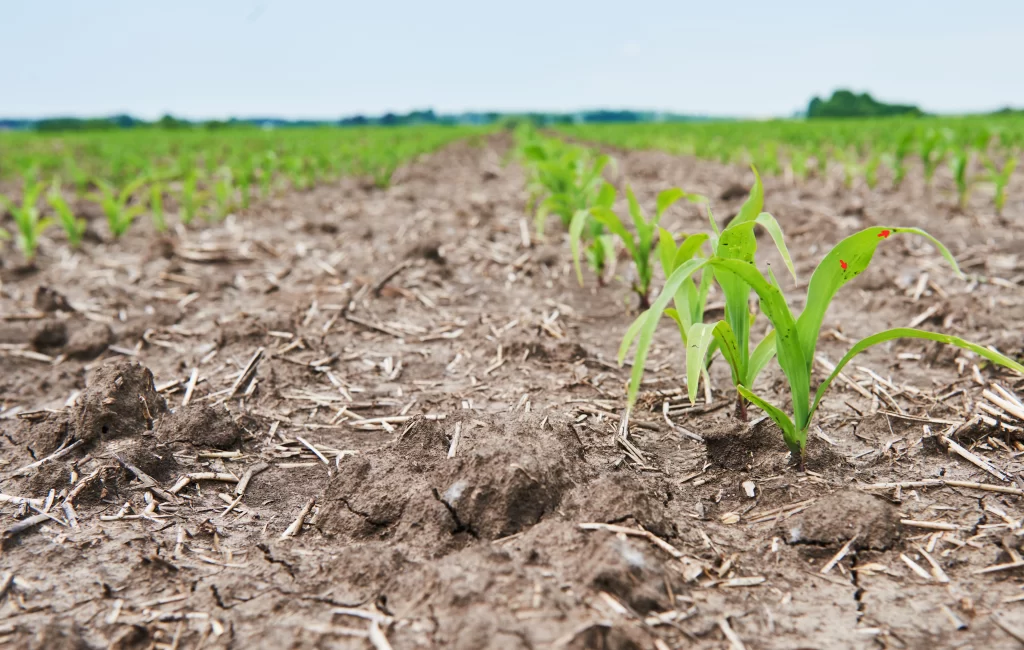
El Niño can create significant risks for households, farmers, businesses, and industries across the Philippines. The climate phenomenon is associated with warmer-than-average conditions and an increased likelihood of below-normal rainfall in many parts of the country. This can contribute to dry spells, drought, water supply stress, and other disruptions. DOST-PAGASA reported in September 2026 that a strong El Niño is currently active and is expected to intensify into a very strong El Niño between September and December 2026, with conditions potentially continuing through the first half of 2027. For businesses and property owners, this raises an important question: Is there insurance for El Niño-related losses? The answer depends on the type of risk and the specific insurance policy. There is not one standard insurance policy that automatically covers every consequence of El Niño. Instead, different insurance products may address different types of losses, subject to their coverage, limits, exclusions, deductibles, and conditions. What Is El Niño? El Niño is a climate phenomenon associated with warmer-than-average sea surface temperatures in the central and eastern tropical Pacific Ocean. Its effects can influence weather patterns around the world, including rainfall and temperature patterns in the Philippines. According to PAGASA, El Niño generally increases the likelihood of below-normal rainfall conditions across much of the country, increasing the risk of dry spells and drought in vulnerable areas. However, El Niño does not mean that every part of the Philippines will experience dry conditions at all times. Western areas can still experience periods of above-normal rainfall, particularly during the Southwest Monsoon or Habagat. Because the effects vary by location and sector, businesses and property owners need to consider the specific risks affecting their operations. Is There El Niño Insurance in the Philippines? There is no single standard insurance policy that can simply be described as covering “El Niño.” Insurance coverage is generally structured around specific risks or losses rather than the climate phenomenon itself. Depending on the situation, relevant insurance may include: The actual availability of coverage depends on the insurer, type of asset, nature of the risk, and policy terms. This distinction is important because experiencing an El Niño event does not automatically mean that a resulting loss is covered. El Niño and Agricultural Insurance Agriculture is one of the sectors that can be particularly vulnerable to prolonged dry conditions. Reduced rainfall can affect: Agricultural insurance can provide protection against certain covered agricultural losses. The Philippine Crop Insurance Corporation (PCIC), for example, provides agricultural insurance covering specified risks for various agricultural commodities. Government insurance programs can include protection against weather-related risks, natural calamities, pests, and diseases, depending on the insurance line and program. PCIC’s 2024 annual report also shows the financial impact of climate-related agricultural losses. It reported that its total indemnity payments reached approximately ₱5.031 billion in 2024, with widespread agricultural losses from El Niño, typhoons, and other causes contributing to the claims. Farmers and agricultural businesses should therefore determine which agricultural insurance programs are available to them and what specific perils are covered. Does Agricultural Insurance Cover Drought? Some agricultural insurance programs can provide protection against drought or other weather-related losses, depending on the specific insurance product. However, drought coverage is not necessarily included in every agricultural policy. The insured commodity, location, coverage conditions, policy period, and applicable requirements all matter. Farmers should review the actual policy or insurance program before assuming that losses caused by dry conditions will automatically qualify for compensation. El Niño and Property Insurance El Niño can affect properties indirectly through heat, drought, water shortages, and other environmental conditions. However, property insurance does not automatically cover every consequence associated with El Niño. Property insurance generally responds according to the specific insured perils stated in the policy. For example, certain property policies may cover specified risks such as fire, while additional protection may be available for certain natural perils through applicable extensions or endorsements. If your business or property is located in an area affected by changing weather conditions, review your Property Insurance in the Philippines and determine whether the risks relevant to your property are actually included. Can El Niño Cause Property Damage? El Niño itself is a climate phenomenon rather than a single physical event such as a typhoon or earthquake. Its effects can contribute to different types of risks. For example, prolonged dry conditions can contribute to: Whether any resulting loss is insured depends on the cause of loss and the specific policy. This is why policyholders should avoid assuming that an insurance policy covers an event simply because the event is related to a natural or climate phenomenon. El Niño and Business Interruption Businesses may experience operational difficulties during prolonged periods of extreme heat, water shortages, agricultural losses, or other disruptions. For example, a manufacturing facility may experience problems if a critical resource becomes unavailable, while an agricultural business may experience reduced production. Business Interruption Insurance can provide protection for certain financial losses resulting from an interruption caused by an insured event. However, business interruption coverage generally depends on the underlying insured event and the specific terms of the policy. A business cannot simply assume that every revenue loss associated with El Niño will qualify for a business interruption claim. The cause of the interruption must meet the requirements of the policy. Which Businesses May Be Affected by El Niño? El Niño can affect different industries in different ways. Potentially affected businesses may include: Agriculture Farmers and agricultural businesses may face reduced rainfall and drought-related production risks. Food and Beverage Businesses that depend on agricultural products may experience changes in supply, production, or operating costs. Manufacturing Some manufacturing operations require reliable water supplies and stable environmental conditions. Construction Extreme heat and water shortages can affect construction schedules, worker safety, and project operations. Logistics Weather-related disruptions can affect transportation, supply chains, and delivery schedules. Hospitality Hotels, restaurants, resorts, and other businesses may face operational challenges when water or other resources become constrained. The actual insurance needs of each business will depend on its operations and exposures.

Contractor’s All Risk Insurance for construction projects in the Philippines
PowerWealth Insurance Guide, CARI

Contractor’s All Risk Insurance (CARI) in the Philippines: Complete Guide

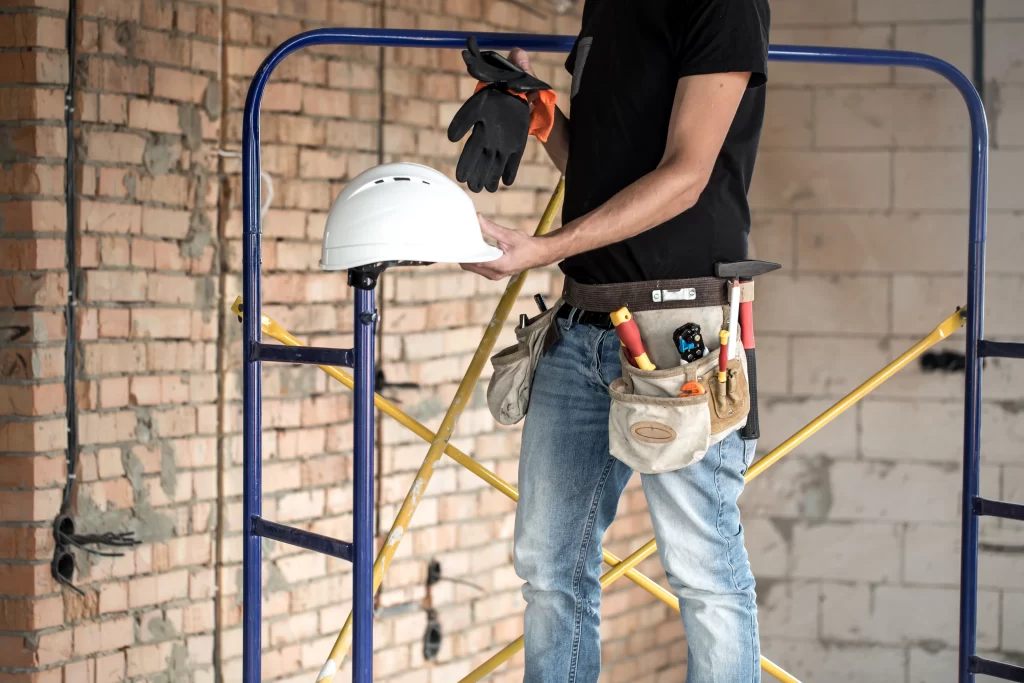
Construction projects involve significant investments in materials, equipment, labor, and other resources. Even with proper planning and safety measures, unexpected events can cause physical damage, delays, and financial losses during construction. Contractor’s All Risk Insurance (CARI) is designed to provide protection against certain risks associated with construction projects. It can help contractors and project stakeholders manage the financial impact of covered losses that occur during the construction period. This guide explains what CARI is, what it generally covers, common exclusions, requirements, factors affecting the premium, and how contractors can prepare for a CARI quotation in the Philippines. What Is Contractor’s All Risk Insurance? Contractor’s All Risk Insurance, commonly known as CARI, is a type of construction insurance designed to cover certain accidental physical loss or damage arising in connection with an insured construction project. Depending on the policy terms, CARI may provide coverage for the contract works, construction materials, temporary works, and certain construction equipment. It may also include third-party liability coverage for certain claims arising from the construction project. The exact protection depends on the policy wording, declared project details, limits, deductibles, extensions, and exclusions. CARI is generally arranged for a specific construction project and is intended to remain in force during the applicable construction period stated in the policy. What Does CARI Cover? CARI coverage varies according to the policy, but construction projects may commonly involve protection for areas such as: 1. Contract Works The main section of CARI typically concerns the physical construction works being undertaken. Depending on the policy, this may include buildings, structures, civil works, and other portions of the project that are included in the insured contract. 2. Construction Materials Materials intended to become part of the completed project may be covered when they suffer covered physical loss or damage during the insured period. Examples may include: 3. Temporary Works Certain temporary structures and works required for construction may also be included, subject to the policy terms. Examples can include temporary supports, site structures, and other temporary works associated with the project. 4. Construction Equipment Construction equipment and machinery used for the project may be covered when specifically included and subject to the applicable policy conditions. The treatment of equipment can vary depending on whether it is owned, rented, leased, or otherwise used by the contractor. 5. Debris Removal Some CARI policies may provide coverage for debris removal following covered physical damage. The applicable limit and conditions should be reviewed before relying on this coverage. 6. Third-Party Liability CARI may also include a third-party liability section, depending on the policy arrangement. This can address certain covered claims involving third parties arising from the construction project, subject to the policy’s terms, conditions, limits, and exclusions. For a more detailed explanation, read our guide on what CARI covers. What Does CARI Not Cover? The term “All Risk” does not mean that every possible loss is automatically covered. CARI policies contain exclusions, conditions, deductibles, and other limitations. Depending on the policy wording, common exclusions or limitations may involve: The actual exclusions vary by policy. Contractors should review the policy wording and discuss project-specific risks with their insurance provider before purchasing coverage. Who Needs CARI? CARI may be relevant to businesses and parties involved in construction projects, particularly where the project involves significant construction values or contractual insurance requirements. Potential users may include: Some construction contracts may require the contractor to maintain specific insurance coverage for the duration of the project. Whether CARI is appropriate depends on the nature, size, contract requirements, and risks of the particular project. What Construction Projects Can CARI Apply To? CARI may be arranged for different types of construction and engineering projects. Examples can include: The suitability of coverage depends on the project’s characteristics and the insurer’s underwriting requirements. CARI Requirements in the Philippines When applying for a CARI quotation, insurers generally need information about the construction project to assess the risks involved. Commonly requested information may include: Additional documents may be requested depending on the project and underwriting requirements. For a detailed checklist, read our CARI Requirements in the Philippines guide. How Much Does CARI Cost? There is no single fixed price for CARI because the premium depends on the characteristics and risk profile of the project. Factors that may affect the premium include: A proper quotation requires project-specific information so that the insurer can evaluate the risk and determine the applicable premium. CARI vs. CGL: What Is the Difference? CARI and Commercial General Liability (CGL) can both be relevant to construction businesses, but they address different areas of risk. CARI primarily focuses on certain physical loss or damage connected with the insured construction project. CGL primarily addresses certain third-party liability claims arising from covered business activities. For example, a construction project may experience accidental physical damage to covered contract works. This is the type of risk CARI is designed to address, subject to the policy. A separate situation could involve a third party claiming damages because of an incident connected with the contractor’s operations. This may fall under CGL, depending on the circumstances and policy terms. For a detailed comparison, read our article on CARI vs. CGL. Can a Construction Project Have Both CARI and CGL? Yes, a construction business or project may have both types of coverage because they address different exposures. Having one does not automatically mean that the risks addressed by the other are covered. The appropriate combination depends on the project’s contract requirements, operations, risk exposures, and insurance arrangements. Contractors should review the specific coverage provided under each policy rather than assuming that one policy covers every construction-related risk. CARI Deductibles A deductible is the amount that may be borne by the insured before the insurer pays an eligible claim, subject to the policy terms. CARI policies can contain different deductibles depending on the type of loss or the particular risk. For example, a policy may apply different deductibles to certain natural catastrophe risks or other specified losses. The deductible should be reviewed carefully when comparing

CARI vs CGL for construction projects in the Philippines
PowerWealth Insurance Guide, CARI, CGL

CARI vs. CGL: Understanding the Difference in Construction Insurance

Construction projects involve different types of risks. A project may face the possibility of damage to the works being constructed, while construction activities can also result in accidental injury to third parties or damage to their property. Because these risks are different, contractors and project owners may encounter different types of insurance requirements. Two types of coverage that may be relevant to construction projects are Contractor’s All Risk Insurance (CARI) and Commercial General Liability (CGL) Insurance. Although both can provide protection against risks associated with business and construction activities, CARI and CGL serve different purposes. Understanding the difference can help contractors and project owners determine what types of insurance may be relevant to their project. What Is CARI? Contractor’s All Risk Insurance (CARI) is designed to provide protection against covered physical loss or damage associated with an insured construction project during the construction period. It is commonly used for projects such as: Depending on the policy, CARI may cover areas such as contract works, construction materials, temporary works, and certain construction equipment. CARI may also include third-party liability coverage, depending on the policy structure. For a more detailed explanation, read our Contractor’s All Risk Insurance guide. What Is CGL? Commercial General Liability (CGL) Insurance is designed to provide protection against certain third-party liability claims arising from the insured business’s operations. For businesses involved in construction, third-party risks may include accidental bodily injury or property damage arising from covered business activities. For example, a construction operation could accidentally cause damage to a neighboring property or result in injury to a third party. If the incident falls within the policy’s coverage, CGL may respond to the covered liability claim, subject to the policy’s terms, conditions, limits, and exclusions. CGL is not limited to construction businesses. It can also be relevant to many other businesses that face third-party liability exposures. CARI vs CGL: What Is the Main Difference? The simplest way to understand the distinction is to look at what type of risk the insurance is primarily designed to address. CARI CARI primarily focuses on covered physical loss or damage to the construction project and insured property. CGL CGL primarily focuses on covered third-party liability arising from business operations. In simple terms: CARI → Protection for covered construction project damage CGL → Protection against covered third-party liability The actual coverage depends on the specific policy wording, limits, conditions, deductibles, and exclusions. CARI vs CGL: Key Differences Feature CARI CGL Main purpose Covers certain physical loss or damage to insured construction works Covers certain third-party liability claims Primary focus Construction project and insured property Third-party bodily injury or property damage Common users Contractors and construction project parties Businesses across various industries Construction period Generally applies during the insured construction period Depends on the policy and business operations Property damage to project May be covered, subject to policy terms Generally not the primary purpose of the coverage Third-party liability May be included Primary focus of the coverage Coverage limits Based on the insured project and policy Based on the liability limits selected This table provides a general comparison. The actual coverage provided by any policy depends on its specific terms and conditions. What Does CARI Cover? Depending on the policy, CARI may provide protection for covered physical loss or damage involving areas such as: Contract Works The construction works being carried out as part of the insured project may be covered against covered physical loss or damage. Construction Materials Materials intended for incorporation into the project may be covered, subject to the policy. Temporary Works Certain temporary works associated with the construction project may be included. Construction Equipment Certain equipment used in connection with the project may be covered depending on the policy arrangement. The exact property insured and applicable limits should always be confirmed with the insurance provider. What Does CGL Cover? CGL primarily addresses certain liability exposures involving third parties. Depending on the policy, this may include covered claims involving: Third-Party Bodily Injury A third party may suffer bodily injury arising from a covered business operation. Third-Party Property Damage A business operation may accidentally cause damage to property belonging to another party. Legal Liability Where applicable under the policy, CGL may respond to covered legal liability claims arising from insured business operations. CGL does not mean that every type of liability is covered. Specific exclusions and conditions apply. Can a Construction Project Need Both CARI and CGL? Yes, a construction project may require both types of coverage. This is because they address different risks. Consider a construction project where an incident damages part of the building under construction and also causes accidental damage to a neighboring property. The damage to the insured construction works and the third-party liability exposure are different risks. CARI may address the covered physical damage to the insured construction works, while CGL may address a covered third-party liability claim, depending on the circumstances and policy terms. Having one type of insurance does not automatically mean that all risks addressed by the other type are covered. Is CGL Included in CARI? CARI may include a third-party liability section, depending on the policy. However, this does not mean that CARI and CGL are automatically interchangeable. The scope, limits, conditions, and exclusions of the liability coverage under a CARI policy may differ from a standalone CGL policy. For this reason, contractors should review their project requirements and the actual policy wording rather than assuming that one policy automatically replaces another. Which One Does a Contractor Need? There is no single answer for every contractor or project. The appropriate insurance depends on factors such as: Some projects may specifically require CARI. Others may require liability coverage such as CGL, while some situations may call for both. The project contract should therefore be reviewed carefully before arranging insurance. Why Is Understanding the Difference Important? Confusing CARI and CGL can result in misunderstandings about what a policy actually protects. For example, a contractor may assume that having liability coverage automatically protects the physical construction

CARI requirements in the Philippines for construction projects
PowerWealth Insurance Guide, CARI

CARI Requirements in the Philippines: Documents and Coverage Guide

Contractor’s All Risk Insurance (CARI) is an important type of protection for construction and engineering projects in the Philippines. It can provide coverage against certain losses or damage that may occur during the construction period, subject to the policy’s terms, conditions, limits, and exclusions. For contractors, project owners, and other parties involved in construction projects, one of the first questions is often: What are the CARI requirements in the Philippines? The requirements can vary depending on the project, its contract, the insurer, and the type and size of construction work involved. However, there are several documents and project details that are commonly requested when applying for CARI or requesting a quotation. What Is CARI? Contractor’s All Risk Insurance, commonly known as CARI, is designed to provide protection for construction projects against covered risks during the construction period. Depending on the policy, CARI may provide coverage for physical loss or damage involving the construction works, materials, equipment, and other insured property. It may also include third-party liability coverage, subject to the policy terms, conditions, limits, and exclusions. CARI is commonly associated with projects such as building construction, infrastructure work, renovations, and other engineering or construction activities. If you are still learning about CARI, read our Contractor’s All Risk Insurance guide for a more detailed explanation of how CARI works and what it can cover. What Are the Common CARI Requirements? There is no single checklist that applies to every construction project. The documents required can depend on the project’s scope, contract value, duration, location, construction method, and other risk factors. However, applicants may commonly be asked to provide information such as: Providing complete and accurate information can help the insurer properly evaluate the project and determine the appropriate coverage and premium. 1. Project Details One of the most important parts of a CARI application is basic information about the construction project. This may include: These details help the insurer understand the nature and duration of the risk being insured. 2. Contract or Project Value The value of the construction project is another important consideration when arranging CARI. The insurer may request the contract price or estimated project value, depending on the project and policy structure. Supporting documents may be requested to verify the amount, particularly for larger or more complex projects. It is important to provide accurate figures because the amount of insurance should appropriately reflect the project and the property or works being insured. 3. Bill of Quantities (BOQ) A Bill of Quantities (BOQ) may be requested for construction projects because it provides useful information about the work being performed and the costs associated with different parts of the project. The BOQ can help provide a clearer picture of: For projects where a BOQ is available, providing it can help the insurance provider better understand the project’s scope and requirements. 4. Notice to Proceed or Similar Project Documents A Notice to Proceed (NTP) may also be requested, particularly for projects where construction has already been authorized or is about to begin. Other project documents may also be requested depending on the circumstances. If the NTP is not yet available, the insurer may ask for other documentation that establishes the project’s status and expected construction period. 5. Project Plans and Specifications For certain construction projects, technical documents such as plans, specifications, engineering details, or other project information may be required. These documents can be particularly relevant when evaluating projects with more complex construction activities or specialized engineering work. The exact documents required will depend on the nature of the project and the insurer’s underwriting requirements. 6. Construction Period The construction period is an important consideration when arranging CARI. Applicants should provide the expected: Start date → Construction period → Completion date The policy period should correspond appropriately with the project and the coverage being requested. If there are delays or changes to the construction schedule, the insurance provider should be informed because an extension of the period of insurance may need to be arranged, subject to the policy terms. 7. Information About the Contractor Information about the contractor may also be requested as part of the underwriting process. This may include: For larger or specialized projects, additional information may be requested to help assess the construction risk. What Does CARI Cover? CARI is designed to protect against covered physical loss or damage associated with the insured construction project, subject to the policy’s terms, conditions, limits, and exclusions. Depending on the policy, coverage may include areas such as: Contract Works This generally refers to the construction works being performed as part of the insured project. Construction Materials Certain materials intended for incorporation into the project may be covered, depending on the policy. Temporary Works Temporary structures or works associated with the construction project may be covered when included within the policy terms. Construction Equipment Certain construction equipment may be covered depending on the policy and how the equipment is declared or included. Third-Party Liability CARI may also include third-party liability coverage for certain claims arising from the construction project, subject to the applicable terms and limits. It is important to remember that CARI coverage is not unlimited. Specific exclusions, deductibles, conditions, limits, and warranties may apply. Are CARI Requirements the Same for Every Project? No. This is an important point for contractors and project owners. A small building project will not necessarily have the same requirements as a large infrastructure or engineering project. Requirements can vary depending on factors such as: Because of these differences, the best approach is to provide the available project information so the insurance provider can determine what information and documentation are needed. Why Should You Prepare Your Documents Before Applying? Having your project documents ready can make the application process more efficient. For example, having your BOQ, project contract, NTP, project details, and other relevant information available can help the insurance provider understand the project more quickly. It can also reduce unnecessary back-and-forth when additional information is needed to evaluate the risk. Before requesting a CARI

Insurance policy exclusions in the Philippines
Uncategorized

Insurance Policy Exclusions in the Philippines: What Your Policy May Not Cover

Buying insurance is an important step toward protecting your finances, property, vehicle, business, or personal well-being. However, having an insurance policy does not necessarily mean that every type of loss or incident is automatically covered. Understanding insurance policy exclusions in the Philippines can help policyholders know what their insurance actually protects and avoid unexpected problems when filing a claim. Exclusions are conditions, situations, risks, or types of losses that an insurance policy does not cover. These exclusions vary depending on the type of insurance, the insurer, and the specific terms of the policy. Before purchasing insurance, it is important to look beyond the premium and understand both the coverage and its limitations. What Are Insurance Policy Exclusions? Insurance policy exclusions are specific situations, circumstances, or losses that are not covered under an insurance policy. For example, a policy may provide protection against accidental damage but exclude losses caused by intentional acts. A travel insurance policy may cover certain medical emergencies but exclude specific pre-existing conditions or activities depending on the policy terms. This means that two insurance policies offering similar types of protection may still have different exclusions. The exact exclusions should always be checked in the policy wording, terms and conditions, and applicable endorsements. Why Do Insurance Policies Have Exclusions? Insurance is designed to cover specific risks that can be assessed and priced by the insurer. Exclusions help define the limits of the coverage and prevent policies from covering risks that are outside their intended purpose. Without clearly defined exclusions, it would be difficult for insurers to accurately assess risk and determine appropriate premiums. For policyholders, exclusions also help clarify what they are and are not paying for. Understanding these limitations is therefore just as important as knowing the benefits of the policy. Common Insurance Exclusions in the Philippines While exclusions vary between insurance products, there are several types of exclusions that policyholders may commonly encounter. 1. Intentional Damage or Loss Insurance generally does not cover losses that were deliberately caused by the policyholder or another person acting with the policyholder’s intent. For example, intentionally damaging insured property would generally not be treated the same way as accidental damage. The exact treatment depends on the policy wording and circumstances of the incident. 2. Unreported or Materially Misrepresented Information Insurance applications require accurate information because insurers use the information provided to assess risk. Providing incorrect or incomplete information about an insured vehicle, property, business activity, or other relevant circumstance may affect coverage. Policyholders should therefore provide complete and accurate information when applying for insurance and notify the insurer when important circumstances change. 3. Wear and Tear Insurance is generally intended to protect against unexpected and accidental losses rather than ordinary deterioration. Normal wear and tear, aging, gradual deterioration, rust, corrosion, or lack of maintenance may therefore be excluded depending on the type of policy. For example, damage caused by an item simply becoming old is different from sudden accidental damage. 4. Certain Pre-Existing Conditions Some health, travel, or accident-related policies may contain exclusions or limitations involving pre-existing medical conditions. The definition and treatment of a pre-existing condition can vary between policies. Anyone purchasing health-related or travel coverage should carefully review the applicable terms rather than assuming that every medical condition will automatically be covered. 5. Unapproved or Unauthorized Use Certain insurance policies may restrict coverage when an insured vehicle, property, or equipment is used in a way that is not permitted under the policy. For example, a vehicle may have limitations relating to its declared use. Commercial use, racing, or other specialized activities may require specific coverage. Always make sure the declared use of the insured asset matches its actual use. 6. Illegal Activities Losses connected to illegal activities may be excluded from insurance coverage. This is another reason why policyholders should carefully understand the terms and conditions of their insurance rather than assuming that every incident involving an insured asset will be covered. 7. Certain Natural or Catastrophic Events Some natural disasters and catastrophic events may require specific coverage or endorsements. For example, a basic policy may not automatically provide protection against every type of natural disaster. For property owners in the Philippines, this is particularly important because properties can be exposed to risks such as typhoons, floods, earthquakes, and other natural hazards. If you own a home, commercial building, warehouse, or other property, review whether the risks relevant to your location are included in your coverage. You can learn more about protecting your property through our guide to Property Insurance in the Philippines. Exclusions Can Differ Depending on the Type of Insurance There is no single list of exclusions that applies to every insurance policy. Different insurance products protect against different risks. Motorcar Insurance Motorcar insurance may have exclusions involving unauthorized use, certain types of damage, unlicensed driving, intentional acts, or other circumstances depending on the policy. Before purchasing coverage, vehicle owners should understand the difference between basic protection and broader comprehensive coverage. Learn more in our Motorcar Insurance. Travel Insurance Travel insurance may have exclusions relating to certain pre-existing conditions, high-risk activities, travel destinations, unattended belongings, or other circumstances depending on the plan. Travelers should read the policy conditions carefully before leaving the Philippines. Property Insurance Property insurance exclusions may relate to specific causes of loss, unoccupied properties, gradual deterioration, inadequate maintenance, or risks that require additional coverage. Property owners should review their policy to determine whether the risks relevant to their home or business are included. Accident Insurance Accident insurance is generally focused on accidental injuries and related benefits. Certain circumstances, activities, or conditions may be excluded depending on the policy. This is why policyholders should review the definitions, exclusions, benefit limits, and eligibility requirements before relying on a policy for financial protection. Commercial General Liability Insurance Businesses purchasing Commercial General Liability (CGL) insurance should also understand that liability coverage has limitations. Certain professional services, contractual liabilities, intentional acts, employee-related matters, or other risks may require separate insurance or specialized coverage depending on the business.

Business interruption insurance in the Philippines for protecting business income
PowerWealth Insurance Guide, Business Insurance

Business Interruption Insurance in the Philippines: What Businesses Need to Know

A major fire, typhoon, equipment breakdown, or other unexpected event can do more than damage a business’s physical property. It can also force operations to slow down or stop entirely. Even when the physical damage can eventually be repaired, a business may continue to face expenses while revenue is reduced or temporarily lost. This is where business interruption insurance in the Philippines can become an important part of a business’s risk management strategy. What Is Business Interruption Insurance? Business interruption insurance is designed to help protect a business from certain financial losses resulting from an interruption caused by an insured event. Instead of focusing only on physical property damage, business interruption coverage addresses the financial impact that may follow when a covered incident prevents a business from operating normally. Depending on the policy, coverage may help address certain losses such as: The exact coverage, limits, conditions, and exclusions depend on the policy. Why Is Business Interruption Coverage Important? A business can survive property damage but still struggle financially if it cannot operate for an extended period. Imagine a warehouse affected by a major fire. The building and inventory may be covered under property insurance, but the business could also lose sales while repairs are being completed. During that period, the company may still have expenses such as: Without appropriate protection, the business may have to rely entirely on its available cash reserves while operations are disrupted. Business interruption insurance is intended to help address this type of financial exposure when the interruption results from a covered cause. What Can Business Interruption Insurance Cover? Coverage varies depending on the policy and insurer, but business interruption insurance may provide protection for certain financial losses associated with an insured interruption. 1. Lost Business Income One of the primary purposes of business interruption coverage is to help compensate for covered income that the business would have earned if the insured interruption had not occurred. This can be particularly important for businesses that depend on continuous daily operations. 2. Continuing Expenses Some business expenses may continue even when operations temporarily stop. Depending on the policy, business interruption coverage may help with eligible continuing expenses during the covered interruption period. 3. Additional Expenses A business may incur additional costs in an effort to reduce the impact of an interruption. For example, a business may need to temporarily relocate operations, rent alternative equipment, or take other reasonable measures to resume operations sooner. Whether these expenses are covered depends on the policy terms. 4. Recovery During the Interruption Period Business interruption coverage may help a business maintain financial stability while it works to restore normal operations. The policy will generally specify the applicable coverage period, limits, and conditions. What Can Cause a Business Interruption? Business interruption coverage is generally connected to an insured event covered by the underlying policy. Potential causes may include events such as: However, not every interruption automatically qualifies for a claim. The cause of the interruption must meet the requirements of the policy, and specific exclusions and conditions may apply. This is why businesses should carefully review the policy wording rather than assuming every type of business closure is covered. Business Interruption Insurance vs. Property Insurance Property insurance and business interruption insurance serve different purposes. Property insurance primarily protects physical assets such as: Business interruption insurance, on the other hand, focuses on the financial consequences of an interruption following a covered event. For example, a fire could damage a company’s building and equipment. Property insurance may address the covered physical damage, while business interruption coverage may help address eligible financial losses caused by the resulting interruption. For businesses looking at broader protection, our guide to Property Insurance in the Philippines explains how property coverage can protect buildings, contents, and other business assets. Who May Need Business Interruption Insurance? Business interruption coverage can be relevant to many types of businesses that depend on physical locations, equipment, inventory, or continuous operations. Examples include: The level of risk differs from one industry to another. A business that cannot operate without a particular building, machine, warehouse, or facility may face significant financial consequences when that asset becomes unavailable. How Much Business Interruption Coverage Does a Business Need? Determining the appropriate amount of coverage requires an understanding of the business’s financial position and potential recovery period. Businesses may need to consider factors such as: Underestimating the potential interruption period can leave a business financially exposed. For this reason, business owners should review their financial information and discuss their requirements with their insurance provider or advisor. What Is the Indemnity Period? The indemnity period refers to the period during which the policy may provide eligible business interruption benefits following a covered loss, subject to the policy’s terms and conditions. Choosing an appropriate period is important. A business may be able to repair physical damage relatively quickly, but returning to normal operations can take longer. For example, a business may need time to: The appropriate period depends on the nature and complexity of the business. What Is Usually Not Automatically Covered? Business interruption insurance does not mean every reason for lost income is automatically covered. Policies may contain exclusions and conditions that limit coverage. For example, a business closure caused by circumstances that are not connected to a covered insured event may not qualify for a business interruption claim. Other limitations may also apply depending on the policy. This is why businesses should understand: Understanding these details before a loss occurs can make the claims process easier to navigate. How Does a Business Interruption Claim Work? If a covered event occurs, the business should take appropriate steps to protect people and property and notify the insurer as soon as reasonably possible. The claims process may require documentation showing the extent of both the physical damage and the resulting financial loss. Depending on the circumstances, documents may include: Maintaining accurate financial records before an incident occurs can make it easier to demonstrate the financial impact of an interruption. How Businesses Can

personal accident insurance Philippines providing financial protection after an accident
PowerWealth Insurance Guide, Accident Insurance

Personal Accident Insurance in the Philippines: What Does It Cover?

Accidents can happen unexpectedly, whether you’re at home, traveling, commuting, or going about your daily activities. Aside from the physical impact, an accident can also create unexpected medical expenses and financial difficulties. Personal Accident Insurance is designed to provide financial benefits for covered accidental injuries, disability, or accidental death, depending on the policy selected. For Filipinos looking for additional financial protection against accidents, understanding how personal accident insurance works can help you determine whether this type of coverage is suitable for your needs. What Is Personal Accident Insurance? Personal Accident Insurance is an insurance policy that provides specified benefits when an insured person suffers a covered accidental injury, disability, or accidental death. Unlike health insurance, which is primarily designed to cover medical and healthcare needs, personal accident insurance focuses specifically on covered accidents and their resulting consequences. The benefits available depend on the policy, coverage selected, limits, exclusions, and other conditions. What Does Personal Accident Insurance Cover? Coverage varies between insurance providers and policies, but personal accident insurance may provide benefits for several types of accidental events. Accidental Death If an insured person dies as a direct result of a covered accident, the policy may provide a death benefit to the designated beneficiary, subject to the policy terms. The amount of the benefit depends on the coverage purchased. Permanent Disability A serious accident can result in permanent disability that affects a person’s ability to work or perform normal activities. Depending on the policy, benefits may be provided for qualifying permanent disabilities resulting from a covered accident. The amount payable can depend on the type and severity of the disability and the schedule of benefits under the policy. Accidental Injuries Some personal accident policies provide benefits for specific injuries resulting from covered accidents. The applicable benefit depends on the policy and the type of injury sustained. Medical or Hospitalization Expenses Certain personal accident insurance plans may provide benefits for eligible medical, hospital, or treatment expenses resulting from a covered accident. However, personal accident insurance should not automatically be considered a replacement for comprehensive health insurance or an HMO plan. HMO The exact medical benefits available depend on the policy purchased. What Are Examples of Covered Accidents? Personal accident insurance generally focuses on accidental events rather than illnesses. Examples of accidents that may potentially fall within coverage include: Road accidents Slips and falls Accidental injuries at home Accidents while traveling Work-related accidents, depending on the policy Other sudden and unforeseen accidental events covered by the policy Whether a particular incident qualifies depends on the policy definition of an accident and the applicable terms and exclusions. Is Personal Accident Insurance the Same as Health Insurance? No. Personal Accident Insurance and health insurance serve different purposes. Health insurance and HMO plans generally provide access to healthcare services and benefits for covered medical conditions and healthcare needs. Personal Accident Insurance focuses specifically on covered accidental events and may provide fixed benefits or reimbursement for specified accident-related expenses. A person may have both types of coverage because they can address different risks. HMO Plans Personal Accident Insurance vs Life Insurance Personal Accident Insurance is also different from life insurance. Life insurance generally provides benefits based on the terms of a life insurance policy, which may include death from covered causes. Personal Accident Insurance specifically focuses on accidental events and may provide additional benefits for covered injuries or disabilities. PowerWealth focuses on non-life and health insurance solutions, so Personal Accident Insurance is one of the relevant protection options available for individuals. Who Should Consider Personal Accident Insurance? Personal Accident Insurance can be useful for people who want additional financial protection against accidental injuries. It may be particularly relevant for: Employees Business owners Freelancers Drivers Motorcycle riders Travelers People who frequently commute Individuals involved in physically active occupations Families looking for additional accident protection The appropriate coverage depends on the individual’s circumstances and financial needs. Why Is Personal Accident Insurance Important? An accident can result in more than immediate medical expenses. A serious injury may also affect a person’s ability to work and earn income. Depending on the circumstances, an accident may result in: Medical expenses Hospital bills Rehabilitation costs Temporary inability to work Permanent disability Loss of income Financial pressure on family members Personal Accident Insurance can provide financial benefits that help reduce some of the financial consequences of a covered accident. How Much Personal Accident Coverage Do You Need? There is no single coverage amount that is appropriate for everyone. When considering a personal accident policy, think about: Your income Monthly expenses Existing savings Family responsibilities Medical expenses Occupation Daily activities Potential financial impact of disability Existing insurance coverage A person who is the primary income earner for a family may have different protection needs from someone with fewer financial responsibilities. What Does Personal Accident Insurance Not Cover? Personal Accident Insurance does not cover every injury or medical condition. Policies may contain exclusions relating to circumstances such as: Illness or disease Intentional self-inflicted injuries Certain hazardous activities Criminal or illegal activities Alcohol- or drug-related circumstances War or similar events Pre-existing conditions, depending on the policy Other specific exclusions stated in the policy The exclusions vary between insurance providers and products. Always review the policy wording before purchasing coverage so you understand the circumstances under which benefits may or may not be payable. How Much Does Personal Accident Insurance Cost? The cost of personal accident insurance depends on factors such as: Age Occupation Coverage amount Benefits selected Type of activities performed Policy duration Other underwriting considerations Higher coverage limits or additional benefits may result in higher premiums. A suitable policy should provide meaningful protection while remaining practical for your budget. What Should You Check Before Buying Personal Accident Insurance? Before purchasing a policy, look beyond the premium. Check: Accidental death benefit Permanent disability benefit Accident medical benefits Coverage limits Benefit schedules Exclusions Age eligibility Occupation restrictions Claim requirements Policy duration Understanding these details can help you compare policies more effectively. What Should You Do After an

business owner reviewing insurance coverage for a company in the Philippines
PowerWealth Insurance Guide, Business Insurance

Business Insurance Checklist Philippines: Essential Coverage for Growing Businesses

Starting a business involves more than registering your company and serving customers. Every business faces risks that could result in financial losses, operational disruptions, or legal liabilities. Having the right insurance coverage helps protect your business from unexpected events and allows you to recover more quickly when incidents occur. Whether you operate a warehouse, retail store, construction company, logistics business, restaurant, or office, understanding the insurance policies available can help you make informed decisions about protecting your investment. Protect Your Business Property If your business owns or leases an office, warehouse, commercial building, or factory, protecting these physical assets should be one of your priorities. Fire, storms, accidental damage, and other covered events can interrupt operations and result in significant repair costs. Property Insurance Businesses should also review whether additional protection is appropriate for risks beyond standard fire coverage. Fire Insurance Protect Company Vehicles Businesses that own company cars, delivery vans, pickup trucks, or heavy commercial vehicles should ensure they have appropriate insurance coverage. Vehicle accidents can lead to expensive repairs, business interruptions, and third-party liabilities. For passenger vehicles used in business operations: Motorcar Insurance For commercial trucks used to transport goods: Truck Insurance Protect Goods While in Transit Businesses that regularly transport products between suppliers, warehouses, distribution centers, or customers face risks while goods are in transit. Road accidents, theft, and cargo damage can all result in financial losses. Businesses involved in transporting goods should consider: Marine Cargo Insurance Protect Construction Projects Construction companies, contractors, and project owners face unique risks during building and installation projects. Damage to works, equipment, or materials may delay completion and increase project costs. Businesses involved in construction should review: Engineering Insurance Protect Your Business From Cyber Risks Many businesses now rely on email, cloud storage, online banking, and digital systems to operate efficiently. Cyber incidents such as ransomware attacks, phishing scams, and data breaches can disrupt operations and lead to financial losses. Businesses that store customer information or depend on digital technology should consider: Cyber Insurance Protect Your Business Against Unpaid Customers Offering payment terms to customers helps businesses grow, but it also creates the risk of unpaid invoices. When customers fail to pay because of insolvency or prolonged default, businesses may experience cash flow problems. Companies that sell goods or services on credit should review: Trade Credit Insurance Protect Your Business From Third-Party Liability Businesses that interact with customers, suppliers, contractors, or the general public may face legal liability if a third party suffers bodily injury or property damage related to business operations. Liability insurance can help businesses manage these financial risks while protecting their reputation and operations. Comprehensive General Liability Insurance Support Employee Health and Well-Being Providing health benefits helps businesses attract and retain employees while supporting workforce productivity. Medical expenses continue to rise, making healthcare benefits an important consideration for many employers. Businesses looking to provide healthcare coverage should review: HMO Review Your Insurance as Your Business Grows Insurance needs change as businesses expand. Purchasing additional equipment, hiring more employees, opening new branches, increasing inventory, or acquiring new vehicles may require updates to your insurance coverage. Conducting regular policy reviews helps ensure your business remains adequately protected against evolving risks. Final Thoughts Every business faces different risks depending on its industry, operations, and size. Rather than relying on a single insurance policy, businesses should evaluate the specific exposures they face and select insurance solutions that provide appropriate protection. Using this business insurance checklist can help business owners identify important areas of risk and make more informed decisions about protecting their assets, employees, vehicles, and operations. Reviewing your insurance regularly also helps ensure your coverage continues to meet your business’s changing needs.

Scroll to Top