
Login
Login
Login
Login

Business Insurance

Business Insurance, Insurance Guide Philippines

Product Liability Insurance in the Philippines: What Businesses Need to Know

Businesses that manufacture, distribute, import, or sell products can face liability risks even when they take reasonable steps to ensure product quality and safety. A defective or unsafe product can potentially cause injury, property damage, or financial losses for a customer or another third party. Product liability insurance can help businesses manage certain third-party claims arising from products they manufacture, distribute, or sell, subject to the terms, conditions, limits, and exclusions of the policy. For businesses in the Philippines, understanding product liability coverage can help identify potential risks and determine whether additional protection is appropriate for their operations. What Is Product Liability Insurance? Product liability insurance provides protection against certain claims arising from bodily injury or property damage allegedly caused by a product supplied by a business. A business may face a product liability claim even when it did not intentionally cause harm. A customer could allege that a product was defective, unsafe, or caused damage when used as intended. Depending on the policy, product liability insurance may help cover eligible compensation, legal defense costs, and other covered expenses arising from a liability claim. The exact coverage depends on the policy wording, coverage limits, exclusions, and applicable conditions. Who Needs Product Liability Insurance? Product liability insurance may be relevant to businesses involved in the manufacture, importation, distribution, or sale of products. Businesses that may consider this type of coverage include: The level of risk depends on the type of product, how it is manufactured or distributed, how it is used, and the potential severity of a loss. What Does Product Liability Insurance Cover? Coverage varies between policies, but product liability insurance may respond to certain third-party claims involving: Bodily Injury A customer or other third party may claim that a product caused physical injury. For example, a consumer may allege that a defective product caused an injury while being used normally. If the claim falls within the policy’s coverage, product liability insurance may help address eligible liability and defense expenses. Third-Party Property Damage A product may accidentally damage property belonging to another person or business. For example, a defective component supplied by a business may cause damage to a customer’s equipment. Depending on the policy, covered third-party property damage may be included. Legal Defense Costs Product liability disputes can result in legal expenses even when the business believes the claim is unfounded. Where covered under the policy, product liability insurance may help with eligible defense costs associated with a covered claim. Compensation or Settlement If a business is found legally liable for a covered claim, the policy may respond to eligible compensation or settlement amounts, subject to its terms and coverage limits. Examples of Product Liability Claims Understanding potential scenarios can help businesses recognize why product liability coverage may be important. Example 1: Defective Consumer Product A company sells a consumer product that allegedly malfunctions and causes injury to a customer. The customer files a liability claim against the company. If the claim falls within the policy’s coverage, product liability insurance may respond to eligible costs. Example 2: Product Causes Property Damage A business supplies a component that allegedly malfunctions and damages a customer’s equipment. The customer seeks compensation for the resulting damage. Depending on the policy, the business may have product liability protection for a covered third-party property damage claim. Example 3: Food Product Claim A food business receives a complaint from a customer who alleges that a product caused illness. The customer makes a claim against the business. Whether the insurance responds depends on the policy, circumstances, evidence, and applicable exclusions. These examples are for illustration only. An actual claim must be assessed based on the specific policy and circumstances. What Can Cause a Product Liability Claim? Product liability claims can arise from different circumstances, including: Not every product-related problem will automatically result in an insured claim. Businesses should maintain appropriate quality control, product testing, documentation, and safety procedures in addition to obtaining insurance. Is Product Liability Covered Under CGL Insurance? Product liability coverage can form part of a broader Commercial General Liability insurance arrangement, depending on the policy. CGL insurance may provide protection against certain third-party liabilities arising from products and completed operations. However, businesses should not assume that every CGL policy automatically provides the same product liability protection. The policy wording should be reviewed to determine: For businesses looking at broader third-party protection, learn more about Commercial General Liability Insurance in the Philippines. What Is Not Covered by Product Liability Insurance? Product liability insurance does not cover every loss involving a product. Depending on the policy, exclusions may apply to certain situations such as: Some risks may require separate insurance coverage or specialized endorsements. Businesses should carefully review their policy rather than assume that every product-related expense is covered. Product Liability Insurance vs Product Recall Insurance These two types of coverage address different risks. Product liability insurance generally focuses on certain third-party claims involving bodily injury or property damage allegedly caused by a product. Product recall insurance is designed for specific costs associated with recalling or withdrawing products from the market, depending on the policy. A business that manufactures or distributes products may need to evaluate both risks separately. Why Is Product Liability Insurance Important? A product-related claim can create significant financial and reputational consequences for a business. Potential expenses may include: Even businesses with quality control procedures can face allegations from customers or other third parties. Product liability insurance can provide an additional layer of financial protection against covered claims. How Much Product Liability Coverage Does a Business Need? There is no universal coverage amount that applies to every business. Businesses should consider factors such as: A business supplying products to large companies may also be required to maintain specific liability limits under a contract. What Affects Product Liability Insurance Premiums? The cost of product liability coverage varies depending on the business and its risk profile. Factors that may affect premiums include: Providing accurate information about your products and operations helps insurers assess the

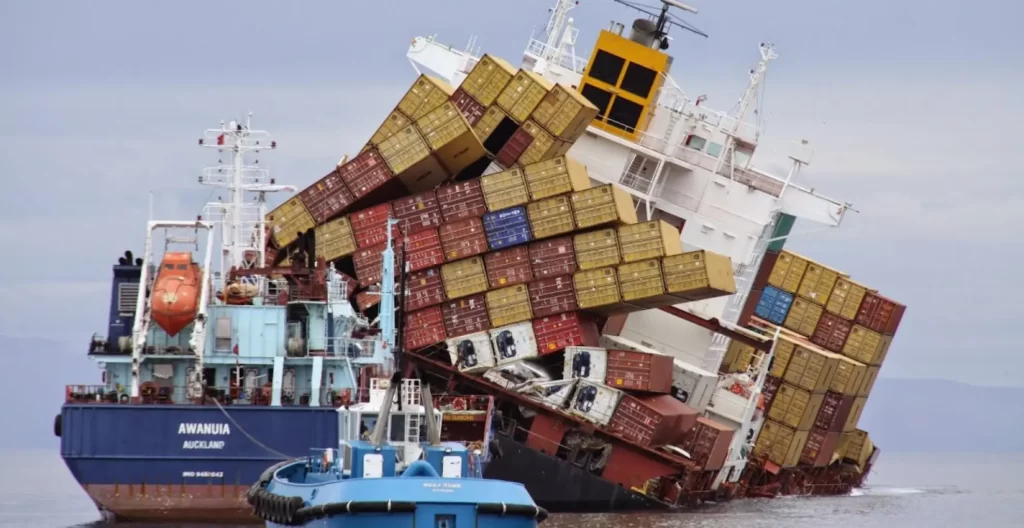
Marine cargo containers being loaded onto a ship for international shipping
Marine Insurance, Business Insurance, Insurance Guide Philippines

Safe Passage: Why Marine Cargo Insurance is the Backbone of Global Trade

In today’s fast-moving global economy, businesses rely heavily on efficient and secure supply chains. Whether importing raw materials or exporting finished goods, products travel thousands of miles across multiple transport modes before reaching their destination. However, this journey comes with risks. Goods in transit face threats such as rough weather, theft, handling damage, and logistical delays. Without proper protection, even a single incident can result in significant financial loss. This is where Marine Cargo Insurance becomes essential. It acts as a financial safeguard, ensuring that your business remains protected even when unexpected events disrupt your supply chain. If you are operating in the Philippines, having reliable Cargo Insurance Philippines coverage is especially important due to the country’s reliance on maritime trade and exposure to weather-related risks. What is Marine Cargo Insurance? Marine Cargo Insurance is a specialized policy designed to protect goods while they are being transported from one location to another. Despite its name, it is not limited to sea transport. It covers shipments moved through: Coverage typically begins when goods leave the warehouse and continues until they reach the final delivery point. This is often referred to as warehouse-to-warehouse coverage. For businesses engaged in international trade, this type of Shipping Insurance ensures that goods are protected at every stage of the journey. Why Marine Cargo Insurance is Critical in 2026 Global trade has become more complex, and risks have increased due to environmental, legal, and logistical factors. Here are the key reasons why Goods in Transit Insurance is more important than ever: 1. General Average Risk General Average is a long-standing maritime principle that requires all cargo owners to share losses if part of the shipment is sacrificed to save the vessel. For example, if containers are thrown overboard during a storm to stabilize a ship, all cargo owners must contribute financially, even if their goods were not damaged. Without Marine Cargo Insurance, businesses may be forced to pay large unexpected costs just to retrieve their shipment. 2. Climate and Route Volatility Changing weather patterns and global shipping congestion are increasing risks in transit. For companies dealing with perishable or sensitive goods, Import Export Insurance is crucial to prevent losses from these unpredictable conditions. 3. Limited Carrier Liability Many businesses assume that shipping companies will cover damages. In reality, carriers operate under strict international conventions that limit their liability. In most cases, compensation is calculated per package or per kilogram, which is often far below the actual value of the goods. Marine Cargo Insurance fills this gap by providing full-value protection, ensuring that your business does not absorb the financial loss. 4. Theft, Damage, and Handling Risks Cargo passes through multiple checkpoints, warehouses, and handlers before reaching its destination. Each transfer increases the risk of: Having proper Shipping Insurance ensures that these risks are covered, regardless of where they occur in the supply chain. What Does Marine Cargo Insurance Cover? Coverage depends on the policy type, but most Marine Cargo Insurance plans include protection against: Businesses can also customize policies based on the type of cargo and shipping method. Types of Marine Cargo Insurance Policies Understanding the different policy types helps businesses choose the right level of protection. 1. All Risk Coverage This provides the most comprehensive protection, covering almost all causes of loss or damage unless specifically excluded. 2. Named Perils Coverage This policy only covers risks explicitly listed in the contract, such as fire, collision, or sinking. 3. Open Policy Ideal for businesses with frequent shipments. It provides continuous coverage without requiring separate policies for each shipment. 4. Voyage Policy Covers a single shipment from origin to destination. This is suitable for occasional shipments. Who Needs Marine Cargo Insurance? Marine Cargo Insurance is essential for: If your business relies on moving goods, Goods in Transit Insurance is not optional. It is a critical component of risk management. Marine Cargo Insurance in the Philippines The Philippines is highly dependent on maritime trade, making Cargo Insurance Philippines a necessity for many businesses. With frequent typhoons, port congestion, and inter-island shipping, the risks associated with transporting goods are significantly higher compared to other regions. Local businesses must ensure that their shipments are properly insured to avoid financial disruption. How to Choose the Right Marine Cargo Insurance When selecting a policy, consider the following factors: Working with an experienced insurance provider can help tailor a policy that fits your business needs. Sources For further reading and credibility, you can reference the following: Marine Cargo Insurance FAQs What is Marine Cargo Insurance? Marine Cargo Insurance protects goods from loss or damage while being transported by sea, air, or land from origin to destination. Is Marine Cargo Insurance required for shipping? It is not always legally required, but it is highly recommended because carrier liability is limited and may not cover the full value of your goods. What does Goods in Transit Insurance cover? It covers risks such as theft, damage, accidents, natural disasters, and General Average contributions during transportation. Who needs Cargo Insurance in the Philippines? Importers, exporters, manufacturers, and businesses involved in shipping goods should have cargo insurance to protect against transit risks. What is the difference between All Risk and Named Perils coverage? All Risk covers most types of loss unless excluded, while Named Perils only covers specific risks listed in the policy.

fire insurance protection for homes and buildings in the Philippines
Insurance Guide Philippines, Business Insurance, Marine Insurance, Motorcar Insurance, Property Insurance, Travel Insurance

Protecting Your Property in 2026: A Comprehensive Guide to Fire Insurance in the Philippines

Fire insurance in the Philippines is a key part of protecting homes, buildings, and businesses — especially in a country prone to accidental fires, typhoons, earthquakes, and other disasters. In 2024, claims for Fire & Allied Perils in the Philippine insurance industry were valued at nearly ₱5.86 billion, reflecting the ongoing demand for protection against loss or damage from fire-related events. Understanding how fire insurance works, what it covers, and how to choose the right policy can help individuals and businesses avoid severe financial strain when disaster strikes. Many property owners today secure property insurance in the Philippines to safeguard their homes, commercial buildings, and other valuable assets. What Is Fire Insurance and Why It Matters Fire insurance is a type of non-life insurance policy designed to cover financial losses caused by fire and lightning, and when extended, other perils such as earthquakes, typhoons, floods, and related damage. It helps policyholders recover the cost of repairing or rebuilding property, replace damaged contents, and continue business operations after loss. Fire insurance matters because it: Many insurers bundle this protection within broader fire and allied perils insurance in the Philippines, which expands coverage to additional disaster risks common in the country. Core Components of Fire Insurance Basic Fire and Lightning Coverage This is the foundation of all fire insurance policies. It generally covers: Allied and Optional Perils (Expanded Coverage) With additional premiums, fire insurance can also cover: These expanded options are often called Allied Perils and greatly widen the scope of protection. Types of Fire Insurance Policies Residential Fire Insurance Ideal for homeowners and residential property owners. Residential fire insurance in the Philippines typically: Commercial Fire Insurance Designed for business properties such as offices, retail stores, warehouses, and factories. Commercial fire insurance in the Philippines helps: Businesses often combine this protection with broader property insurance coverage to ensure all physical assets are properly insured. For construction sites and industrial projects, fire risks are often managed alongside engineering insurance in the Philippines to ensure broader protection during development phases. How Fire Insurance Works Premiums depend on property value, location, construction materials, and risk exposure. Your insurer evaluates the loss and pays the agreed indemnity or repair cost according to the policy terms. Optional benefits may assist with temporary accommodation or business interruption while rebuilding. Choosing the Right Fire Insurance Coverage To select the best fire insurance coverage for your property or business, consider: Working with a licensed insurance advisor or broker can help you compare options and understand the details of each policy. Who Needs Fire Insurance Fire insurance is important for many types of property owners in the Philippines: Many financial institutions require fire insurance in the Philippines as part of property loan agreements to ensure collateral is protected. Building Resilience with Fire Insurance Fire insurance is more than just a policy. It is financial protection against some of the most destructive events a property owner or business can face. In the Philippines, where fire incidents and natural disasters occur regularly, having the right insurance coverage helps secure hard-earned assets, supports faster recovery after loss, and provides peace of mind for homeowners and business operators alike. Fire insurance is often part of a broader property insurance in the Philippines strategy, which covers multiple risks beyond fire. Sources

Scroll to Top