
Login
Login
Login

PowerWealth Insurance Guide

Senior couple preparing for a trip with their luggage at an airport
PowerWealth Insurance Guide, Travel Insurance

Travel Insurance for Senior Citizens in the Philippines: What to Check Before Buying

Traveling during retirement is a great opportunity to explore new destinations, visit family abroad, or enjoy a long-awaited vacation. However, unexpected medical emergencies, flight disruptions, and other travel-related problems can become more challenging for older travelers. For senior citizens planning a trip, choosing suitable travel insurance is an important part of preparing for the journey. While travel insurance can provide financial protection against certain unexpected events, not all plans offer the same benefits or eligibility requirements. Here are some important things senior travelers and their families should check before purchasing a policy. 1. Check the Age Eligibility One of the first things to consider is the travel insurance provider’s age limit. Some insurance plans have maximum entry ages, while others may accept older travelers subject to additional premiums or underwriting approval. Before applying, confirm: Age restrictions vary between insurance providers, so it is important to check the specific plan rather than assume that all travelers are eligible. 2. Review Medical Emergency Coverage Medical emergencies can happen while traveling, and healthcare expenses in another country may be expensive. Senior travelers should pay close attention to the medical benefits included in their travel insurance policy. Depending on the plan, benefits may include: Check the maximum coverage limits and understand which medical expenses are eligible for reimbursement. 3. Understand Pre-Existing Medical Condition Exclusions Some older travelers may have existing medical conditions that require regular medication, monitoring, or treatment. However, travel insurance policies may exclude medical expenses related to pre-existing conditions. The definition of a pre-existing condition and any available extensions vary by provider. Before purchasing a policy, disclose relevant medical information accurately and ask whether any existing conditions are covered, limited, or excluded. You can also read our guide to Insurance Policy Exclusions in the Philippines to better understand why reviewing exclusions is important. 4. Check Other Travel Benefits Medical protection is important, but senior travelers should also consider other possible disruptions during their trip. Depending on the policy, travel insurance may include benefits for: Review the benefits and limits to determine whether they match the traveler’s destination, itinerary, and needs. 5. Consider the Length and Destination of the Trip The destination and duration of travel can affect the type of coverage needed. A short domestic trip may have different requirements from an extended international vacation. Some destinations also have specific travel medical insurance requirements, particularly for visa applications. Make sure the policy covers the entire travel period, including the intended departure and return dates, and is valid for the destination. 6. Compare Policies Before Purchasing The most affordable travel insurance plan may not always provide the benefits an older traveler needs. Compare available policies based on: For more information about available coverage, visit PowerWealth Travel Insurance. You can also read our existing guide, Travel Insurance in the Philippines: A Smart Companion for Every Trip, for a broader overview of travel protection. Final Thoughts Senior citizens should not have to overlook travel insurance simply because of their age. However, finding suitable coverage requires careful consideration of eligibility, medical benefits, exclusions, and travel requirements. Before purchasing a policy, review its terms and confirm that the benefits match the traveler’s circumstances. PowerWealth Insurance Services helps travelers explore available travel insurance options for domestic and international trips. Visit our Frequently Asked Questions page or contact our team to learn more about the available options. Traveling with the right preparation can help make every journey more comfortable and worry-free.
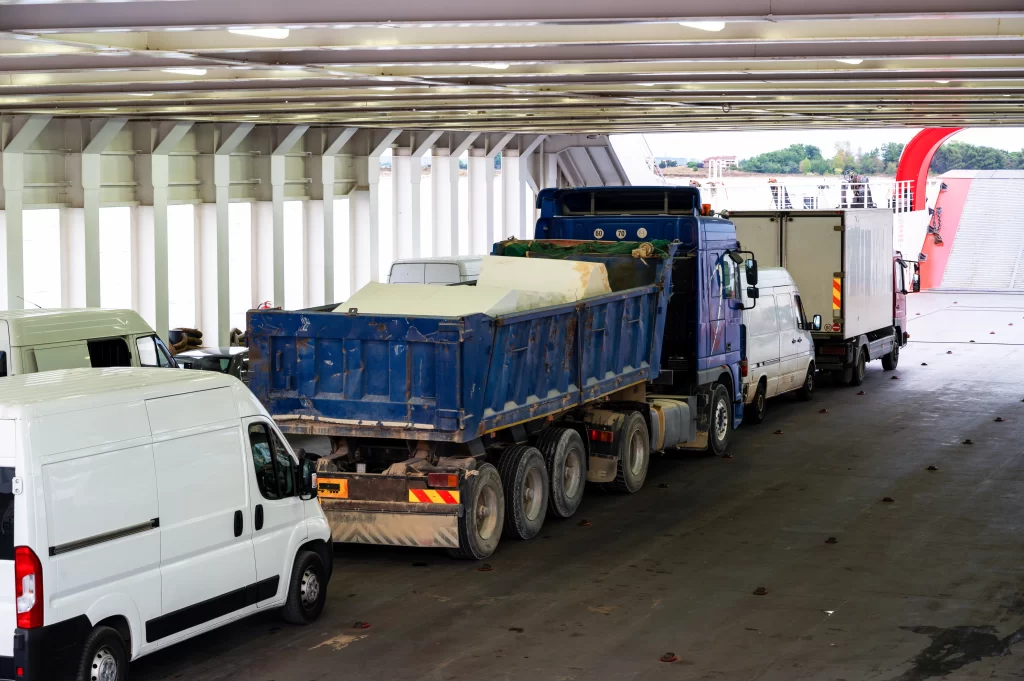

Commercial delivery trucks parked at a logistics warehouse in the Philippines
PowerWealth Insurance Guide, Truck Insurance

Truck Insurance Guide in the Philippines: What Business Owners Should Know

Commercial trucks play an important role in the Philippine economy. They transport raw materials, construction supplies, food products, equipment, and other goods that keep businesses operating. For companies that depend on transportation, a truck is more than just a vehicle. It is an important business asset that supports deliveries, generates revenue, and maintains relationships with customers and suppliers. However, operating commercial vehicles also comes with financial risks. Road accidents, theft, fire, and natural disasters can result in expensive repairs, vehicle replacement costs, and disruptions to business operations. This is why having appropriate truck insurance in the Philippines is an important consideration for trucking companies and businesses that operate commercial vehicles. What Is Truck Insurance? Truck Insurance is a type of motor vehicle insurance designed to provide financial protection for commercial trucks against specified risks. Depending on the policy, coverage may include accidental damage, theft, fire, third-party liability, and other insured events. Unlike insurance intended for private vehicles, commercial truck insurance considers the vehicle’s business use, type, value, and operating conditions. Businesses may need coverage for different types of commercial vehicles, including: The appropriate coverage depends on the vehicle’s classification, intended use, operating territory, and the terms offered by the insurance provider. Why Do Businesses Need Truck Insurance? A commercial vehicle can be exposed to several risks while traveling, loading goods, making deliveries, or operating on public roads. An unexpected incident can affect more than the truck itself. It may also create additional expenses and disrupt normal business activities. Here are some reasons businesses should consider truck insurance. 1. Protection Against Road Accidents Commercial trucks spend considerable time on the road, often traveling long distances and operating in different traffic and road conditions. Collisions, overturning, and other road accidents can result in significant vehicle damage. Depending on the policy, truck insurance may help cover eligible repair or replacement costs resulting from covered accidents. 2. Protection Against Theft Commercial trucks are valuable business assets and may carry equipment or other property. Theft can result in substantial financial losses, particularly for businesses that rely on their vehicles to fulfill regular deliveries. Coverage for theft may be included in a comprehensive truck insurance policy, subject to its terms, conditions, and exclusions. 3. Financial Protection Against Third-Party Claims An accident involving a commercial truck may cause injury to other people or damage to their property. These incidents may result in third-party claims and legal expenses. Motor vehicle insurance may include third-party liability protection, depending on the policy and applicable coverage limits. Businesses should understand the difference between Compulsory Third Party Liability (CTPL) and additional third-party liability coverage under a comprehensive motor policy. 4. Protection Against Natural Disasters The Philippines regularly experiences typhoons, flooding, and other natural hazards that can damage commercial vehicles. Trucks operating in flood-prone areas or traveling during severe weather may face additional exposure. Businesses should review whether their truck insurance includes Acts of Nature coverage, such as protection against flood and typhoon damage. For more information, read our guide to Acts of Nature Insurance in the Philippines. What Does Truck Insurance Cover? Coverage varies depending on the insurer and the policy selected. A comprehensive commercial vehicle policy may include the following: Own Damage This coverage may help pay for repairs when an insured truck sustains accidental damage resulting from a covered event. Theft Coverage may apply when an insured truck is stolen, subject to the policy’s requirements and conditions. Fire A policy may cover damage or loss caused by fire, depending on the insured perils and applicable provisions. Third-Party Bodily Injury This provides protection against certain claims involving bodily injury or death suffered by third parties in connection with an insured vehicle. Third-Party Property Damage This may cover eligible claims involving damage to another person’s property caused by an insured vehicle. Acts of Nature Depending on the policy and selected extensions, coverage may include damage caused by natural events such as floods, typhoons, and other specified perils. Business owners should always review the actual policy wording to confirm which benefits are included, their limits, and any applicable deductibles. CTPL vs. Comprehensive Truck Insurance One of the most important distinctions commercial vehicle owners should understand is the difference between Compulsory Third Party Liability and comprehensive motor vehicle insurance. Compulsory Third Party Liability (CTPL) is required for vehicle registration in the Philippines. It provides limited protection for covered third-party bodily injury or death claims under applicable regulations. However, CTPL does not provide comprehensive protection for the insured truck itself. Comprehensive Truck Insurance, on the other hand, may provide broader protection, including: For businesses that depend on their trucks for daily operations, relying on CTPL alone may leave important financial risks unaddressed. Does Truck Insurance Cover the Goods Being Transported? This is an important consideration for trucking and logistics businesses. Truck Insurance primarily concerns the insured vehicle and its applicable motor-related coverage. It does not automatically mean that the cargo being transported is insured. For example, a truck may be covered against accidental damage while the goods inside it may have separate insurance requirements. Businesses transporting valuable merchandise, raw materials, or other goods should also consider Marine Cargo Insurance, which can provide protection for insured goods during transit, subject to the policy terms and covered risks. Having appropriate vehicle and cargo coverage can help businesses address different types of financial exposure during transportation. How Much Does Truck Insurance Cost in the Philippines? There is no single fixed premium for truck insurance. The cost depends on several factors that insurers consider when evaluating the vehicle and its risks. These may include: Type and Value of the Truck The vehicle’s make, model, year, declared value, and classification can affect the premium. Higher-value vehicles may require higher insured amounts and potentially higher premiums. Intended Use A truck used for private company operations may have a different risk profile from one used for commercial deliveries, construction, or long-distance transportation. Businesses should accurately declare how their vehicles are used. Operating Location The areas where a truck regularly travels or

Business cybersecurity and digital data protection representing cyber insurance coverage
PowerWealth Insurance Guide, Cyber Insurance

Cyber Insurance in the Philippines: Why Businesses Need Protection Against Rising Cyber Risks

Cyberattacks are becoming a growing concern for businesses that rely on digital systems, online transactions, and electronic records. From stolen customer information to ransomware attacks that interrupt daily operations, a single cybersecurity incident can create significant financial consequences. Recent figures from the United States highlight the growing importance of managing these risks. According to the National Association of Insurance Commissioners (NAIC), reported cyber insurance claims in the U.S. increased by 20% in 2025, reaching 56,323 claims. The number of cyber insurance policies in force also increased by 33%. These developments show how businesses are increasingly turning to insurance as part of their approach to managing cyber-related financial exposure. Although the figures come from the U.S. market, the underlying concerns are relevant to Philippine businesses as well. Companies that depend on digital platforms, store customer information, or conduct transactions online may face financial losses when their systems are compromised. This is where Cyber Insurance can play an important role. What Is Happening in the U.S. Cyber Insurance Market? On October 21, 2026, the NAIC released its report on the U.S. cybersecurity insurance market, analyzing insurance data from 2025. The report highlighted several important developments: The figures reflect the increasing role of cyber insurance in helping organizations manage financial exposure from technology-related incidents. However, the report also highlights that cyber risks continue to evolve. Businesses face threats involving ransomware, data breaches, artificial intelligence, cloud services, and third-party technology providers. The growing dependence on digital systems means that a cyber incident can affect not only a company’s information but also its finances, operations, and relationships with customers. Why Cyber Risks Matter to Philippine Businesses Cybersecurity is no longer a concern limited to large corporations or technology companies. Businesses across different industries now depend on digital tools to manage operations, communicate with customers, process payments, maintain records, and store important information. This includes: A cyber incident involving any of these operations can result in more than a temporary technical problem. For example, a ransomware attack may prevent employees from accessing essential company files. A data breach may expose customer information and create legal or regulatory concerns. A compromised payment system may also disrupt transactions and business operations. Depending on the severity of the incident, a business may face recovery expenses, lost income, legal costs, and damage to its reputation. Common Cyber Threats That Can Affect Businesses Understanding common cyber threats can help businesses recognize their exposure and consider appropriate protection. 1. Ransomware Attacks Ransomware is a type of malicious software that can encrypt or restrict access to a company’s files and systems. Attackers may demand payment in exchange for restoring access or threaten to release stolen information. A successful ransomware attack can interrupt operations, delay transactions, and require costly recovery efforts. 2. Data Breaches A data breach occurs when confidential or sensitive information is accessed, disclosed, or obtained without authorization. Businesses may hold customer records, employee information, financial details, and other confidential data. If these records are compromised, the organization may need to investigate the incident, notify affected parties where required, and address potential legal or regulatory consequences. 3. Phishing and Social Engineering Phishing involves fraudulent messages or websites designed to trick individuals into revealing sensitive information or performing actions that compromise company systems. These attacks may impersonate legitimate businesses, suppliers, financial institutions, or company personnel. Even with cybersecurity software in place, employees can become targets of convincing fraudulent communications. 4. Business Email Compromise Business Email Compromise (BEC) involves the unauthorized use or impersonation of business email accounts to deceive employees, suppliers, or customers. For example, an attacker may impersonate a company executive or supplier and request payment to a fraudulent bank account. These incidents can result in financial losses and disputes that may be difficult to resolve. 5. Third-Party and Cloud Service Disruptions Businesses often rely on external technology providers for cloud storage, software, payment processing, and other essential services. If a third-party provider experiences a cyberattack or major system disruption, the businesses depending on that provider may also experience interruptions. This means a company can face cyber-related operational risks even when its own systems have not been directly attacked. How Cyber Insurance Can Help Businesses Cyber Insurance is designed to help businesses manage certain financial consequences of covered cyber incidents. Depending on the policy, coverage may include eligible expenses and liabilities associated with data breaches, ransomware incidents, network disruptions, and other covered events. Potential areas of coverage may include: Data Breach Response Expenses A covered data breach may require professional assistance to investigate the incident, identify affected information, and manage the response. Depending on the policy, Cyber Insurance may help cover eligible expenses related to forensic investigations, legal consultation, customer notification, and other response services. Cyber Extortion and Ransomware-Related Expenses Some Cyber Insurance policies provide coverage for certain expenses associated with cyber extortion incidents. This may include eligible costs related to responding to ransomware threats, subject to policy conditions, applicable laws, exclusions, and approval requirements. Businesses should not assume that every ransom demand or payment will be covered. Data and System Recovery Recovering compromised systems and restoring affected business information can require significant time and resources. Depending on the policy, Cyber Insurance may help cover eligible expenses for restoring data, repairing systems, and recovering from a covered cyber incident. Cyber-Related Business Interruption A cyberattack can prevent a business from operating normally. For example, a company may temporarily lose access to its payment platform, internal network, or essential business applications, resulting in lost income and additional operating expenses. While Cyber Insurance may provide coverage for certain cyber-related interruptions, businesses should also understand how Business Interruption Insurance can help protect against financial losses when operations are disrupted by an insured event. Coverage depends on the policy’s terms, conditions, and exclusions. Third-Party Liability A business may face claims from customers, suppliers, or other affected parties following a covered cyber incident. Depending on the policy, Cyber Insurance may include certain third-party liability coverage and eligible legal defense expenses. The actual protection available will depend on

Industrial cold storage warehouse with refrigeration equipment and stored goods
Business Insurance, PowerWealth Insurance Guide

U.S. Warns of Cyberattacks on Cold Storage Systems: What Philippine Businesses Should Know

Cold storage facilities play an important role in the food, pharmaceutical, logistics, and manufacturing industries. These businesses rely on refrigeration systems to maintain specific temperatures, preserve inventory, and keep their operations running. However, a recent warning from United States authorities highlights a growing risk that cold storage operators should not overlook: cyberattacks targeting industrial refrigeration systems. On November 5, 2026, U.S. authorities warned that malicious actors were exploiting vulnerabilities in internet-connected temperature and refrigeration controllers used in grocery stores and cold storage facilities. According to a report by Reuters, attackers could potentially manipulate temperature settings, resulting in inventory losses, equipment damage, and even fire hazards. Although the warning came from the United States, the issue is relevant to businesses worldwide that depend on connected refrigeration equipment. For Philippine cold storage operators, this development highlights the importance of protecting not only physical facilities and machinery but also the business operations that depend on them. What Happened in the United States? The U.S. government issued a warning about ongoing cyber threats targeting industrial refrigeration and cold chain monitoring systems. The warning involved vulnerabilities in internet-accessible electronic temperature and commercial refrigeration controllers. If attackers successfully exploit these vulnerabilities, they may be able to manipulate refrigeration settings and disrupt the systems responsible for maintaining proper storage temperatures. The potential consequences include: The warning was issued by several U.S. government agencies, including the Federal Bureau of Investigation (FBI) and the Cybersecurity and Infrastructure Security Agency (CISA). Authorities advised organizations to review their systems, limit unnecessary internet access, and address security vulnerabilities. This incident demonstrates how a cyberattack can create consequences beyond stolen information or compromised computer files. When digital systems control physical equipment, a security breach can also result in tangible property damage and financial losses. Why Philippine Cold Storage Businesses Should Pay Attention The Philippines relies on cold storage facilities to support several important industries. These include: These facilities depend on refrigeration systems, temperature monitoring devices, electrical equipment, and other machinery to maintain the quality and safety of stored products. A disruption in any of these systems can result in significant financial consequences. For example, a warehouse storing frozen food may experience inventory losses if its refrigeration system stops maintaining the required temperature. A pharmaceutical storage facility may also face losses if temperature-sensitive products become unsuitable for distribution. When operations are interrupted, businesses may also experience delayed deliveries, additional expenses, contractual difficulties, and lost revenue. This makes cold storage risk management an important consideration for businesses that depend on continuous refrigeration. Four Insurance Coverages Cold Storage Businesses Should Consider A single insurance policy may not address every risk associated with operating a cold storage facility. Businesses should evaluate the different exposures involving their buildings, machinery, digital systems, inventory, and daily operations. Here are four non-life insurance solutions worth considering. 1. Property Insurance for Buildings, Equipment, and Inventory Cold storage facilities contain valuable physical assets, including buildings, refrigeration installations, electrical systems, machinery, and stored goods. Property Insurance can help protect insured buildings and business assets against covered physical losses, depending on the policy. For cold storage operators, important considerations may include: Businesses should also review whether relevant risks, such as fire, flood, typhoon, and other applicable perils, are included in their coverage. It is important to understand that property insurance does not automatically cover every loss involving refrigeration systems or cyber incidents. Coverage for spoiled inventory, equipment damage, and other resulting losses depends on the policy wording and applicable extensions. 2. Engineering Insurance for Machinery and Equipment Cold storage operations depend heavily on specialized equipment. Refrigeration compressors, motors, electrical components, and other machinery must function properly to maintain the required storage conditions. Unexpected mechanical or electrical breakdowns can disrupt operations and require costly repairs. Engineering Insurance, including applicable Machinery Breakdown coverage, can help protect insured machinery against covered accidental breakdowns, subject to the policy’s terms, conditions, and exclusions. This can be particularly relevant to facilities that rely on continuous equipment operation. Businesses should identify their critical machinery and determine whether their existing insurance arrangements adequately address equipment-related risks. 3. Cyber Insurance for Digital and Network-Related Threats The recent U.S. warning demonstrates that cyberattacks can affect more than company databases and confidential information. When refrigeration controllers, monitoring devices, and other operational systems are connected to a network, they may become potential targets of cyber threats. Cyber Insurance can help businesses manage certain financial consequences of covered cyber incidents, depending on the policy. Possible areas of coverage may include: Businesses should understand that cyber insurance does not automatically cover every form of physical damage or inventory spoilage resulting from a cyberattack. The actual coverage, exclusions, waiting periods, and applicable conditions must be reviewed carefully. 4. Business Interruption Insurance for Operational Disruptions A cold storage facility may experience financial losses even after the immediate equipment or property damage has been addressed. For example, if a major refrigeration failure prevents a warehouse from operating, the business may lose revenue while repairs are being completed and normal operations are restored. Business Interruption Insurance can help address certain financial losses resulting from an interruption caused by an insured event. Depending on the policy, it may provide coverage for eligible losses involving: For cold storage businesses, this coverage deserves attention because even a temporary shutdown can affect deliveries, inventory management, supplier commitments, and customer relationships. However, not every operational disruption automatically qualifies for coverage. A cyber-related interruption, for example, may require specific coverage or an applicable extension. Insurance Is Only One Part of Cold Storage Risk Management While insurance can help manage the financial impact of covered incidents, businesses should also strengthen their operational and cybersecurity practices. The U.S. warning highlights several preventive measures that cold storage operators can consider. Secure Internet-Connected Equipment Identify refrigeration controllers and monitoring devices that are accessible through the internet. Remove unnecessary remote access and restrict connections to authorized users. Update Systems Regularly Install available software updates and firmware patches to address known vulnerabilities in refrigeration controllers and related systems. Strengthen Access Controls Use strong authentication

Paintings and valuable artwork displayed in a gallery in the Philippines
PowerWealth Insurance Guide

Fine Arts Insurance Guide in the Philippines: Protecting Valuable Artwork

Paintings, sculptures, antiques, and other valuable works of art can represent significant financial investments. For collectors, galleries, antique dealers, and businesses, protecting these assets involves more than keeping them in a secure location. Accidental damage, theft, fire, and other unexpected events can threaten valuable artwork. Depending on the circumstances and the policy, repairing or replacing a damaged piece may be difficult, costly, or even impossible. Fine arts insurance in the Philippines can help eligible owners manage certain financial risks associated with their valuable artwork and collections. Understanding how this type of insurance works is an important step toward protecting these assets. What Is Fine Arts Insurance? Fine arts insurance is a specialized form of insurance designed to protect eligible artwork and collectibles against specified risks, subject to the policy’s terms and conditions. Depending on the policy and the items accepted for coverage, insured property may include: The items eligible for coverage, insured events, valuation requirements, and policy limits vary by insurer and policy. Fine arts insurance differs from ordinary property insurance because valuable artwork may require specialized valuation, documentation, and handling considerations. Owners should not assume that a standard home or commercial property policy automatically provides sufficient protection for every artwork they own. Who May Need Fine Arts Insurance in the Philippines? Fine arts insurance may be relevant to several types of owners and organizations. 1. Private Art Collectors Collectors may own paintings, sculptures, antiques, or other pieces that have significant monetary or collectible value. Maintaining a record of each item’s identity, condition, and estimated value can help owners assess their insurance needs. 2. Art Galleries Galleries may display artwork belonging to the gallery itself, artists, collectors, or other parties. Because ownership and responsibility can differ between pieces, galleries should understand which items they are responsible for and whether their existing insurance arrangements address those responsibilities. 3. Antique Dealers Antique dealers may hold valuable items for sale, store collections, or move pieces between locations. They should consider how their insurance responds while items are stored, displayed, or transported, rather than assuming that protection applies automatically in every situation. 4. Businesses and Organizations Hotels, offices, commercial establishments, and other organizations may display artwork as part of their interiors or collections. Businesses should identify valuable pieces separately from ordinary furnishings and review whether their existing property coverage adequately addresses those assets. What Can Fine Arts Insurance Cover? The protection available depends on the specific policy. Depending on the insured items and agreed terms, coverage may address certain accidental physical losses or damage. Potential risks to discuss with an insurance provider include: Accidental Physical Damage Artwork can be damaged through accidental impacts, handling incidents, or other unexpected events. Whether a particular incident qualifies for coverage depends on the policy wording, exclusions, and circumstances of the loss. Fire and Other Insured Events Fire and other specified events may cause serious damage to paintings, sculptures, antiques, and other collectibles. Owners should check which events are covered and whether additional conditions or limitations apply. Theft Theft can result in the loss of valuable artwork and collectible objects. Owners should review the policy’s security requirements, documentation requirements, and conditions for theft-related claims. Damage During Transportation Artwork may be moved between private collections, galleries, exhibitions, storage facilities, or buyers. Transportation coverage should never be assumed. Owners should confirm whether the policy covers transit, which locations and routes are included, and whether special packing or handling requirements apply. Important: These are risks to discuss when arranging coverage, not a guarantee that every fine arts policy covers all of them. The actual policy determines which losses qualify. How Is Artwork Valued for Insurance? Valuation is an important part of arranging fine arts insurance because the amount of protection should reflect the insured item’s agreed value and the policy’s valuation terms. Depending on the artwork, its value may be influenced by factors such as: An appraisal or other supporting valuation documentation may be requested by the insurer, particularly for higher-value items. Owners should provide accurate information and ask how the insurer determines the value used for coverage and claims. They should also clarify whether valuations need to be reviewed or updated periodically. An item’s purchase price does not necessarily establish the amount payable for every future claim. The policy’s valuation basis, limits, deductibles, and settlement conditions all matter. What Documents Should You Prepare? Organized documentation can help insurers assess the items being considered for coverage and can be useful if a claim occurs. Depending on the insurer’s requirements, owners may be asked to provide: Photographs Take clear photographs of each item, including distinctive features and existing damage. Keep the images securely stored and updated when an item’s condition changes. Proof of Ownership Retain purchase receipts, invoices, bills of sale, certificates of ownership, or other documents that support ownership. Appraisal or Valuation Records Keep available appraisal reports and other documentation supporting the item’s estimated value. Authenticity and Provenance Records For relevant works, retain certificates of authenticity, artist information, provenance records, exhibition history, and other supporting documents. Storage and Security Information The insurer may ask where the artwork is kept, how it is secured, and whether it is regularly displayed or transported. The exact documentation required varies by insurer and policy. Ask for the applicable requirements before completing an application. What Should You Check Before Buying Fine Arts Insurance? Before arranging coverage, review the following considerations. 1. Identify the Artwork to Be Insured Prepare an inventory of the pieces you want to insure. Include descriptions, photographs, ownership information, and available valuation records. 2. Confirm the Coverage Territory If artwork is moved between locations or taken overseas for an exhibition, confirm where the policy applies and whether transportation or temporary exhibition coverage is included. 3. Review Exclusions and Limitations Check the circumstances in which a loss may not be covered. Pay attention to exclusions, deductibles, policy limits, security conditions, and any requirements for handling or transportation. 4. Understand How Claims Are Settled Ask how the insurer evaluates damaged or lost artwork, which documents

- Traveler using a smartphone to explore digital insurance options in the Philippines
Industry News, PowerWealth Insurance Guide

Digital Insurance Philippines: What Buyers Should Check

Buying insurance no longer always requires visiting an office or completing a traditional face-to-face transaction. In the Philippines, digital platforms are making it easier for consumers to explore insurance products through mobile applications and online marketplaces. One recent development is GCash’s offering of overseas travel insurance through its GInsure marketplace. The launch, reported in October 2026, highlights how insurance products are becoming accessible through platforms that Filipinos already use for everyday transactions. According to InsuranceAsia, the offering includes protection for qualifying medical emergencies, travel inconveniences, personal accidents, and liability. This development raises an important question: as digital insurance becomes more accessible, what should consumers check before purchasing a policy online? What Is Digital Insurance in the Philippines? Digital insurance refers to insurance products and services that consumers can access or manage through online platforms, websites, or mobile applications. Depending on the provider and product, these services may allow customers to compare available coverage, submit applications, receive policy documents, review their protection, and initiate claims online. Digital insurance can make the purchasing process more convenient. However, buying a policy through an app does not automatically mean the coverage is comprehensive or suitable for every customer. The actual protection still depends on the insurance policy, its terms, conditions, limits, and exclusions. Why Is Digital Insurance Gaining Attention? Mobile wallets and digital platforms give consumers another way to discover and purchase insurance. For people who prefer managing financial transactions through their phones, this can make insurance easier to explore. GCash’s GInsure marketplace, for example, offers access to different types of insurance products. Its official GInsure information page explains that eligible users can access insurance options and manage policy information through the platform. Digital access may help reduce some purchasing barriers, but convenience alone should not determine which policy a customer chooses. Consumers still need to understand what they are buying, who provides the coverage, and how to seek assistance if a problem arises. What Should You Check Before Buying Insurance Online? 1. Verify the Insurance Provider Before purchasing a policy, identify the insurance company responsible for providing the coverage. Check that the provider is authorized to operate in the Philippines and that the product is being offered through a legitimate channel. Do not rely on an app’s branding alone. Understand which insurer will issue the policy and handle eligible claims. 2. Understand What the Policy Covers Read the coverage details before paying. Check which events, expenses, or losses qualify for protection and whether specific requirements must be met. For travel insurance, for example, emergency medical expenses, trip disruptions, personal accidents, and liability may be subject to different benefits and limits. For property or motor insurance, the covered risks and conditions will differ. Never assume that two policies offer the same protection simply because they have similar names. 3. Read the Exclusions and Limitations Exclusions explain circumstances in which a policy may not provide coverage. Other restrictions may include benefit limits, deductibles, waiting periods, or conditions that must be satisfied before a claim can be paid. These details can significantly affect the protection you receive. Before purchasing, review the policy wording and ask the provider to clarify any condition you do not understand. For more guidance, read PowerWealth’s article on insurance policy exclusions in the Philippines. 4. Check the Coverage Limits A policy’s advertised benefits do not necessarily mean every claim will be paid up to the maximum amount. Check the limit for each benefit, any applicable sublimits, and whether you must pay part of a covered loss yourself. Consider whether the limits are appropriate for the expense or asset you want to protect. 5. Understand the Claims Process Before buying, find out how to report a loss, submit supporting documents, and contact the insurer. Check whether claims can be initiated online, which documents may be required, and where to get help if you encounter a problem. Keep a copy of your policy documents, proof of purchase, and relevant communications in a secure location. 6. Compare the Overall Value, Not Just the Price A lower premium may be attractive, but price alone does not determine whether a policy is suitable. Compare the benefits, coverage limits, exclusions, service arrangements, and claims requirements of the options available to you. Choose coverage based on your needs and the financial risks you want to manage—not simply the fastest or cheapest option. Does Buying Insurance Through an App Change Your Coverage? Not necessarily. The platform is the channel through which you access the product; the policy itself determines the protection provided. Two policies purchased through different channels may have different benefits, conditions, and limits. Likewise, a policy bought online is not automatically more limited—or more comprehensive—than one purchased through a traditional channel. Consumers should review the actual policy documents rather than relying solely on promotional descriptions or short summaries shown in an application. If you need clarification, contact the insurer or an authorized insurance intermediary before completing the purchase. Digital Access Should Go Hand in Hand With Informed Decisions The growth of digital insurance in the Philippines reflects a broader shift toward making financial services accessible through mobile platforms. GCash’s overseas travel insurance offering is one recent example of this development. It demonstrates how consumers can discover insurance through an everyday digital service, while also highlighting the importance of understanding the product behind the purchase. Convenience is valuable, but informed decisions remain essential. Before purchasing any policy online, verify the provider, review the benefits and exclusions, understand the claims process, and check whether the coverage matches your needs. Explore Insurance Options With PowerWealth Whether you are exploring travel, motor, property, accident, or business insurance, understanding the terms of a policy is an important step toward choosing suitable protection. PowerWealth Insurance Services helps individuals and businesses explore insurance options based on their needs. Visit PowerWealth’s website to learn more about available insurance services and the coverage options you may wish to consider.

Doctor discussing healthcare options with a patient in a clinic
PowerWealth Insurance Guide, HMO & Health Insurance

HMO vs. Medical Insurance in the Philippines: What’s the Difference?

Healthcare expenses can add up quickly, especially when you need consultations, diagnostic tests, hospitalization, or ongoing medical care. For individuals and families looking for financial protection, understanding the available healthcare coverage options is an important step. Two terms you may encounter when exploring health benefits in the Philippines are Health Maintenance Organization (HMO) plans and medical insurance. Although both can help manage healthcare expenses, they may work differently in terms of benefits, access to providers, payment arrangements, and coverage limitations. Understanding HMO vs. medical insurance in the Philippines can help you determine which type of plan better matches your healthcare needs and budget. What Is an HMO? A Health Maintenance Organization, or HMO, provides access to specified healthcare services through an established network of healthcare providers, subject to the member’s plan and applicable conditions. Depending on the plan, HMO benefits may include: Not every HMO plan includes all these benefits. Coverage may depend on the selected plan, annual benefit limits, accredited providers, waiting periods, and other conditions. Members may also need to follow specific procedures, such as obtaining approval or a Letter of Authorization (LOA), before receiving certain services. For people who frequently visit doctors or want access to a defined network of healthcare providers, an HMO plan may be a practical option. What Is Medical Insurance? Medical insurance is a broad term for insurance products designed to provide financial benefits for covered medical expenses or healthcare-related events. The way a medical insurance policy works depends on the product. Some plans reimburse eligible medical expenses, while others provide specified benefits when covered conditions or events occur. Depending on the policy, benefits may relate to hospitalization, surgery, specified illnesses, or other medical expenses. Coverage can also vary according to benefit limits, exclusions, deductibles, waiting periods, and pre-existing condition provisions. Before purchasing a plan, review the actual policy wording to understand what expenses or events qualify for benefits and how claims are processed. HMO vs. Medical Insurance: Key Differences Although the two may serve similar purposes, their structures and benefits are not necessarily the same. 1. Access to Healthcare Providers HMO: Members generally access covered services through the plan’s accredited healthcare network and follow its procedures. Medical insurance: Provider access and payment arrangements depend on the policy. Some products allow reimbursement for eligible expenses, while others have designated providers or specific arrangements. Always confirm whether your preferred doctors and hospitals are covered. 2. How Benefits Are Used HMO: Members may receive covered services directly through accredited providers, subject to plan rules, benefit limits, and authorization requirements. Medical insurance: Benefits may be paid through direct settlement, reimbursement, or specified benefit payments, depending on the product. Ask how the plan handles consultations, laboratory tests, hospitalization, and other services you expect to use. 3. Coverage and Benefit Limits HMO: Benefits depend on the selected plan and may include outpatient consultations, diagnostics, and inpatient services. Medical insurance: Coverage depends on the policy and may focus on eligible medical expenses, hospitalization, specified conditions, or other defined benefits. Neither type automatically provides unlimited medical coverage. Review annual limits, per-illness limits, sublimits, and exclusions carefully. 4. Payment and Out-of-Pocket Expenses HMO: Members may have reduced out-of-pocket expenses for covered services received through the plan’s approved network, but uncovered services and expenses exceeding applicable limits may still need to be paid. Medical insurance: Depending on the policy, you may need to pay expenses first and request reimbursement, or follow another claims procedure. Deductibles, co-payments, and other conditions may apply. Understanding the payment process is important when deciding whether a plan suits your budget. 5. Pre-Existing Conditions and Waiting Periods Both HMO plans and medical insurance policies may have restrictions relating to pre-existing conditions, waiting periods, or eligibility. The specific definitions and rules differ between providers and products. If you need coverage for an existing medical condition, ask the provider to explain the applicable terms before purchasing the plan. Can You Have Both an HMO and Medical Insurance? Depending on eligibility, availability, and your budget, you may be able to maintain both an HMO plan and a separate medical insurance policy. They may complement each other when their benefits address different healthcare needs. For example, an HMO may provide access to routine consultations and other covered services within its network, while a separate insurance policy may provide additional benefits for specified medical expenses or events. However, having both does not automatically mean that every medical expense will be paid in full. Each plan has its own coverage rules, exclusions, limits, and claims procedures. Review both policies to understand how their benefits work together and whether any coordination requirements apply. HMO vs. Medical Insurance: Which Is Better for You? There is no single answer that applies to everyone. The more suitable option depends on the benefits you need, your preferred healthcare providers, and the financial protection you want. Consider an HMO If You Want Network-Based Healthcare Access An HMO may be worth considering if you want access to accredited doctors and healthcare facilities for services included in your plan. Before enrolling, check the provider directory, consultation benefits, hospitalization coverage, and authorization requirements. Consider Medical Insurance If You Need Specific Financial Benefits A medical insurance product may be appropriate if its benefits address the medical expenses or health-related risks you want to manage. Compare its benefit structure, exclusions, limits, and claims requirements rather than relying on the product name alone. Consider Both If You Need Complementary Benefits Some individuals and families may benefit from combining different forms of healthcare coverage. Before doing so, compare the total cost and determine whether the additional policy provides meaningful benefits beyond what you already have. What Should You Check Before Choosing a Plan? Before applying for an HMO or medical insurance, consider the following checklist: Comparing these details can help you avoid choosing a plan based solely on price. Does Personal Accident Insurance Replace an HMO or Medical Insurance? Not necessarily. Personal accident insurance generally focuses on benefits related to covered accidental injuries, disability, or accidental

Commercial vessel at sea representing marine hull and machinery insurance
PowerWealth Insurance Guide, Marine Insurance

Marine Hull and Machinery Insurance in the Philippines: A Guide for Vessel Owners

The Philippines depends heavily on maritime transportation to move goods, connect islands, and support industries such as shipping, fishing, logistics, and passenger transport. For businesses that operate vessels, protecting these assets is an important part of managing operational and financial risks. Ships and their machinery represent significant investments. Damage caused by collisions, grounding, onboard incidents, or other maritime hazards can result in expensive repairs and operational disruption. Marine Hull and Machinery Insurance in the Philippines helps vessel owners manage certain financial risks associated with physical damage to their insured vessels and machinery, subject to the terms of the policy. Understanding how this coverage works can help shipowners and operators make informed decisions about protecting their maritime assets. What Is Marine Hull & Machinery Insurance? Marine Hull and Machinery Insurance is designed to protect an insured vessel’s physical structure and specified machinery against covered losses. The hull refers to the main body or structure of the vessel. Machinery can include engines, propulsion systems, generators, and other equipment identified in the policy. Depending on the coverage arranged, the policy may respond to certain accidental physical damage arising from maritime operations. The actual protection depends on the insured vessel, policy wording, coverage limits, exclusions, deductibles, and applicable conditions. Marine Hull & Machinery Insurance is different from marine cargo insurance, which focuses on insured goods being transported rather than the vessel itself. What Can Marine Hull & Machinery Insurance Cover? Coverage varies according to the policy and the risks accepted by the insurer. Depending on the arrangement, protection may include the following. 1. Physical Damage to the Vessel A vessel may sustain damage following a collision, grounding, or another covered maritime incident. Hull coverage may help pay for eligible repair costs or other covered losses, subject to the policy’s terms and applicable limits. 2. Damage to Insured Machinery A vessel relies on machinery to operate safely and efficiently. Damage to covered engines, propulsion systems, generators, or other insured equipment can affect its ability to operate. Machinery-related coverage depends on the wording of the policy. Mechanical breakdown should not automatically be assumed to be covered under every hull and machinery policy. 3. Certain Maritime Accident Risks Depending on the policy, coverage may extend to specified accidental events encountered during a vessel’s operations. However, not every maritime incident or source of damage is automatically covered. Vessel owners should review the insured perils, exclusions, warranties, and conditions carefully. 4. Other Agreed Coverage Additional protection may be available depending on the vessel, the insurer’s underwriting requirements, and the coverage requested. Shipowners should discuss their operational risks with their insurance provider or agent rather than assume that all available protections are included in a standard policy. Who Should Consider Marine Hull & Machinery Insurance? This coverage may be relevant to businesses and individuals that own or operate vessels, including: The appropriate policy depends on the type of vessel, how it is used, its operating area, and the financial exposure associated with damage or loss. Why Is Vessel Insurance Important for Maritime Businesses? Protecting a Significant Business Asset A vessel is often a major capital investment. Repairing or replacing one after a serious incident can place considerable pressure on a company’s finances. Insurance can help manage covered physical damage losses and reduce the amount of financial risk retained by the vessel owner. Managing Unexpected Repair Expenses Damage to a vessel or its insured machinery may require specialist inspections, parts, labor, and repair work. When the damage falls within the policy’s coverage, insurance may help with eligible expenses according to the applicable terms and limits. Supporting Operational Risk Management A damaged vessel may need to be taken out of service while repairs or inspections are completed. Although hull and machinery coverage does not automatically compensate a business for every resulting interruption or lost revenue, having appropriate physical damage protection is one component of a broader maritime risk management plan. Protecting Business Continuity For companies that rely on vessels to serve customers, transport cargo, or meet operational commitments, unexpected damage can create financial and logistical challenges. Reviewing vessel insurance alongside other relevant protections can help businesses plan for these exposures. Marine Hull Insurance vs. Marine Cargo Insurance These two types of marine coverage protect different interests. Marine Hull & Machinery Insurance focuses on the insured vessel and the specified machinery or equipment included in the policy. Marine Cargo Insurance focuses on covered goods while they are being transported, subject to the policy terms. For example, if a shipping company owns a cargo vessel, hull and machinery coverage may protect the insured vessel against covered physical damage. The cargo carried aboard may require separate cargo insurance arranged by the party with the relevant insurable interest. Having insurance for the vessel does not automatically mean the goods on board are insured. Learn more about marine cargo insurance to understand how cargo protection differs from vessel coverage. What Information Is Needed to Request a Quote? Insurers need information about the vessel and its intended operations to assess the risk and determine the terms they may offer. Depending on the insurer’s requirements, applicants may be asked to provide: Additional information may be required depending on the vessel and proposed coverage. Providing complete and accurate information can help the insurer assess the application. A quotation, its availability, and the final terms remain subject to underwriting review. How to Choose Appropriate Marine Hull & Machinery Coverage Before requesting a quotation, vessel owners should consider several factors. Assess the Vessel’s Value Review the vessel’s value and the basis on which it should be insured. Ask how the policy determines the value used when assessing a covered loss. Review the Intended Use A vessel’s purpose, operating conditions, voyage patterns, and geographical limits may affect the risks assessed by the insurer. Make sure the information provided accurately reflects how the vessel will be used. Understand the Exclusions and Deductibles Review the situations that are excluded from coverage and the amount you may need to pay toward a covered claim. Do

Homeowner documenting household belongings for an insurance inventory
PowerWealth Insurance Guide

Home Inventory Checklist: How to Document Your Belongings for Insurance

When an unexpected event damages your home, remembering everything you own can be difficult. Furniture, appliances, electronics, clothing, and personal valuables may all be affected—and proving what was lost can become another challenge during an already stressful situation. Creating a home inventory checklist for insurance helps you keep an organized record of your belongings. While it does not guarantee claim approval or payment, it can make it easier to identify damaged items and provide supporting information when required. Here’s how to create a practical home inventory and keep it updated. What Is a Home Inventory? A home inventory is a record of your household belongings. It typically includes descriptions of items, estimated values, purchase dates, receipts, photographs, and other relevant information. You can create your inventory using a spreadsheet, a document, a mobile application, or a folder containing photos and receipts. A home inventory can be useful when reviewing your property insurance coverage and preparing documentation after a covered loss. However, the information required and the items eligible for compensation depend on your specific policy. Why Is a Home Inventory Important for Insurance? 1. Helps You Identify Damaged or Missing Items After a fire, typhoon, flood, or another damaging event, it may be difficult to remember every affected possession. An inventory provides a reference that helps you identify items that were damaged, destroyed, or lost. 2. Helps Support Your Insurance Claim Depending on your policy and the circumstances of the loss, your insurer may request photographs, receipts, proof of ownership, repair estimates, or other supporting documents. An organized inventory can help you locate these records more easily. It does not replace the insurer’s claim requirements or guarantee that every listed item will be covered. 3. Helps You Review Your Coverage Your belongings may increase in value over time as you purchase new appliances, electronics, furniture, and other possessions. Reviewing your inventory can help you identify changes that may need to be discussed with your insurance provider or agent. Remember that coverage for household contents depends on the policy you have. Do not assume that insuring a building automatically means all its contents are covered. How to Create a Home Inventory Checklist Step 1: Go Through Each Room Start with one room at a time so the process is manageable. Include the living room, bedrooms, kitchen, bathrooms, storage areas, garage, and other spaces where you keep belongings. Record items such as: Pay attention to items stored in cabinets, drawers, closets, and less frequently used areas. Step 2: Take Photos and Videos Photograph your belongings and the rooms where they are located. For valuable items, take close-up photographs that show identifying details, model numbers, serial numbers, or distinguishing features when available. You can also record a video while walking through each room and briefly describing the items you see. Store these files securely and keep a backup separate from your home, such as in a secure cloud account. Step 3: Record Important Details For each item, record as much relevant information as you reasonably can. Your checklist may include: Keep receipts, invoices, warranties, and appraisals for significant purchases when available. If you do not know the exact value of an item, mark your estimate clearly rather than presenting it as a confirmed purchase price. Step 4: Keep Your Records Organized Choose a format that is easy to update. A simple spreadsheet is often enough for most households. Organize records by room or item category, and use clear file names for photographs and documents. For example, you could name a file living-room-television.jpg and save it alongside the corresponding inventory entry. Protect your records with appropriate account security and avoid sharing sensitive documents unnecessarily. Step 5: Review Your Inventory Regularly Update your list whenever you purchase expensive items, sell belongings, or make significant changes to your home. It is also useful to review the inventory when you renew or update your property insurance policy. If you acquire high-value items, ask your insurance provider or agent whether they need to be declared separately or require additional coverage. Home Inventory Checklist: What Should You Record? Use this quick checklist as a starting point. You do not need to document every inexpensive household item in detail on your first day. Start with your most valuable belongings and gradually complete the rest. Does a Home Inventory Mean Everything Is Insured? No. A home inventory is a recordkeeping tool, not an insurance policy. Whether an item is covered depends on your policy’s insured property, coverage limits, exclusions, and conditions. Understanding your policy’s insurance policy exclusions can help you identify situations or belongings that may not be covered. Whether an item is covered depends on the policy’s insured property, coverage limits, exclusions, conditions, and any applicable requirements for declaring valuable possessions. For example, some policies may treat jewelry, artwork, specialized equipment, or other high-value belongings differently from ordinary household contents. The amount you originally paid for an item may also differ from the amount used to calculate a claim settlement. The applicable valuation method and policy terms determine how a covered loss is assessed. Before assuming that your belongings are protected, review your policy and ask your insurance provider or agent to clarify any uncertain terms. You can also read our guide to property insurance in the Philippines to learn more about protecting buildings and household or business assets. What Should You Do After Damage to Your Home? If your home is damaged, prioritize everyone’s safety before documenting your belongings. Once it is safe to do so: Do not enter an unsafe building or handle damaged electrical equipment just to gather evidence. Follow instructions from local authorities and qualified professionals. For more guidance, read our article on common insurance claim mistakes. Final Thoughts A home inventory is a simple way to prepare for unexpected property damage or loss. By photographing your belongings, recording important details, and keeping receipts in an organized location, you can make it easier to identify affected items and gather documentation when needed. Just as importantly,

Actual cash value vs replacement cost in property insurance
PowerWealth Insurance Guide

Actual Cash Value vs. Replacement Cost in Property Insurance

When choosing property insurance, it is easy to focus on the coverage amount and premium. But there is another important detail that property owners should understand: how will the insured property be valued if a covered loss occurs? Two terms that may appear in property insurance are Actual Cash Value (ACV) and Replacement Cost. The difference matters because the method used to value damaged property can affect the amount considered when settling a claim. Understanding these terms before a loss occurs can help property owners make more informed decisions about their insurance coverage. What Is Actual Cash Value? Actual Cash Value generally refers to the value of property at the time of the loss, taking depreciation into account. Depreciation reflects the reduction in value that can occur as property gets older, experiences normal wear and tear, or becomes outdated. For example, suppose a business owns equipment that originally cost ₱500,000. Several years later, the equipment is damaged by a covered event. The cost of purchasing a comparable new unit may now be ₱600,000. However, if the equipment has depreciated because of its age and condition, its actual cash value may be lower than the current replacement cost. The actual amount considered in a claim will depend on the policy’s valuation provisions and the circumstances of the loss. What Is Replacement Cost? Replacement cost generally refers to the cost of repairing or replacing damaged property with property of comparable kind and quality, without deducting depreciation, subject to the terms, conditions, limits, and requirements of the policy. Using the same example, if comparable equipment now costs ₱600,000 to replace, a replacement-cost provision may use the current replacement cost rather than first deducting depreciation. However, replacement cost does not automatically mean the insurer will pay whatever amount the property owner spends. The policy determines what qualifies as a replacement, what costs are considered, and what limits or conditions apply. Actual Cash Value vs. Replacement Cost The simplest difference is how depreciation is treated. Actual Cash Value Replacement Cost Depreciation Generally considered Generally not deducted Basis of valuation Value at the time of loss Cost to repair or replace Age and condition Can reduce the value Generally not deducted from replacement cost Potential amount May be lower due to depreciation May be higher, subject to policy terms Important consideration Current value of the property Current cost of comparable replacement The exact treatment varies depending on the insurance policy and the type of property being insured. Why Does This Matter in Property Insurance? Imagine a property owner has a building containing several years’ worth of equipment, furniture, fixtures, and other business assets. A fire or other covered event damages those assets. The cost of replacing everything with new items could be significantly higher than the value of the old items immediately before the loss. If the policy uses a valuation method that accounts for depreciation, the amount considered for the loss may be lower than the cost of purchasing new replacements. This is why property owners should not look only at the total sum insured. They should also understand how that amount is determined and how claims will be valued. A Simple Example Consider a business that owns a piece of equipment. Under a valuation approach that takes depreciation into account, the equipment’s value for the loss could be significantly lower than ₱1,200,000. Under a replacement-cost provision, the current cost of a comparable replacement may be considered instead, subject to the policy’s conditions and limits. This is only a simplified illustration. Actual claim calculations can involve additional factors and should always be based on the applicable policy wording. Does Replacement Cost Always Mean a Higher Claim? Not necessarily. Replacement-cost coverage is still subject to the terms and conditions of the insurance policy. Other factors may affect a claim, including: A property owner should therefore avoid assuming that having replacement-cost coverage means every replacement expense will automatically be paid in full. What About the Building Itself? The same concept can be important when insuring buildings. Construction and repair costs can change over time because of changes in material prices, labor costs, equipment, and other factors. For this reason, property owners should periodically review whether the amount declared for their building remains appropriate. This is particularly important after: An outdated valuation may create problems if the property suffers a major covered loss. What About Business Contents and Equipment? Property insurance can also cover contents and assets inside a building, depending on the policy. These may include: For businesses, keeping an updated record of these assets can make it easier to review whether the insured values remain appropriate. Keep invoices, receipts, photographs, equipment specifications, and other relevant records where possible. These records can also be useful when documenting a loss. Actual Cash Value, Replacement Cost, and Market Value Are Not the Same It is also important not to confuse insurance valuation with market value. The market value of a property is influenced by factors such as location, demand, and other real-estate considerations. Insurance valuation, on the other hand, depends on the basis specified by the insurance policy. For example, the amount it would cost to rebuild a structure may not be the same as the price the entire property could command if it were sold. This is one reason why property owners should discuss valuation with their insurance provider or agent rather than simply using the property’s purchase price as the insurance amount. What Should You Ask Before Buying Property Insurance? Before purchasing or renewing property insurance, consider asking: 1. How will my property be valued? Find out whether the applicable valuation basis is actual cash value, replacement cost, or another method specified by the policy. 2. How is depreciation handled? If depreciation applies, ask how it may affect the valuation of your insured property. 3. Is my coverage amount still adequate? Review the value of your building, equipment, contents, and other insured assets, particularly after renovations or major purchases. 4. What deductibles apply? A deductible is

Scroll to Top