
Login
Login
Login

Author name: powerwealth

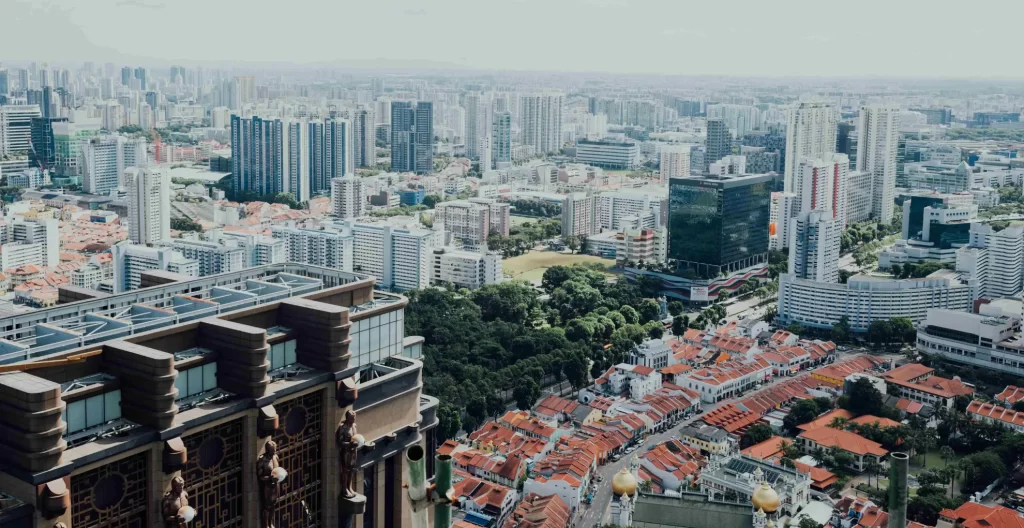
property insurance in the Philippines protecting homes and commercial buildings
PowerWealth Insurance Guide, Property Insurance

Property Insurance in the Philippines (2026): Securing What You’ve Built

In 2026, property insurance in the Philippines represents more than protection for shelter or workspace. It protects capital, stability, and long-term investment. With increasing exposure to natural disasters and rising rebuilding costs, property insurance has become a practical financial strategy rather than an optional add-on. Whether you own a house, condominium unit, commercial building, or warehouse, having the right property insurance coverage helps you make smarter risk decisions. The Risk Landscape for Property Owners Property in the Philippines faces a unique mix of risks: When damage occurs, recovery costs can be substantial. Property protection insurance in the Philippines helps transfer that financial burden to an insurer instead of absorbing it personally or through business funds. Oversight and consumer protection for insurers are provided by the Insurance Commission, ensuring policies meet regulatory standards. Property Insurance at a Glance Instead of looking at it as a single product, think of property insurance as protection built around three main pillars: Structural Protection Covers the physical building itself, including: This ensures reconstruction costs are covered after insured damage. Contents and Asset Protection Protects what is inside the property, such as: For businesses, this can be just as critical as the building itself, especially when paired with commercial property insurance in the Philippines. Extended Risk Coverage Most policies begin with fire coverage, often referred to as fire and allied perils insurance in the Philippines, and can be expanded to include: Selecting extensions depends on location, risk exposure, and budget. For more detailed protection against fire-related risks, you can explore ourfire insurance in the Philippines guide, which explains coverage and benefits in depth. Residential vs Commercial Property Coverage Residential Property Insurance Residential property insurance in the Philippines focuses on: Commercial Property Insurance Commercial property insurance in the Philippines helps: Financial literacy initiatives from the Bangko Sentral ng Pilipinas emphasize protecting major financial assets such as property. Engineering projects and construction activities may require specialized coverage such as engineering insurance in the Philippines, especially for complex builds and infrastructure projects. How Coverage Is Priced Premium calculations typically consider: Properties in high-risk zones may carry higher premiums due to increased exposure. When Should Property Insurance Be Reviewed? Property insurance should be reviewed when: Regular reviews ensure coverage remains aligned with actual asset value. Property Insurance as Financial Strategy In 2026, property insurance is less about reacting to disasters and more about planning ahead. It protects both physical assets and long-term financial stability. Insurance cannot prevent disasters, but it can prevent financial loss. By understanding property insurance in the Philippines, evaluating risks, and selecting the right coverage, property owners can protect what they have built. Sources Consumer Insurance Guidelines — Insurance CommissionFinancial Stability and Asset Protection Resources — Bangko Sentral ng PilipinasDisaster Risk Information — National Disaster Risk Reduction and Management Council
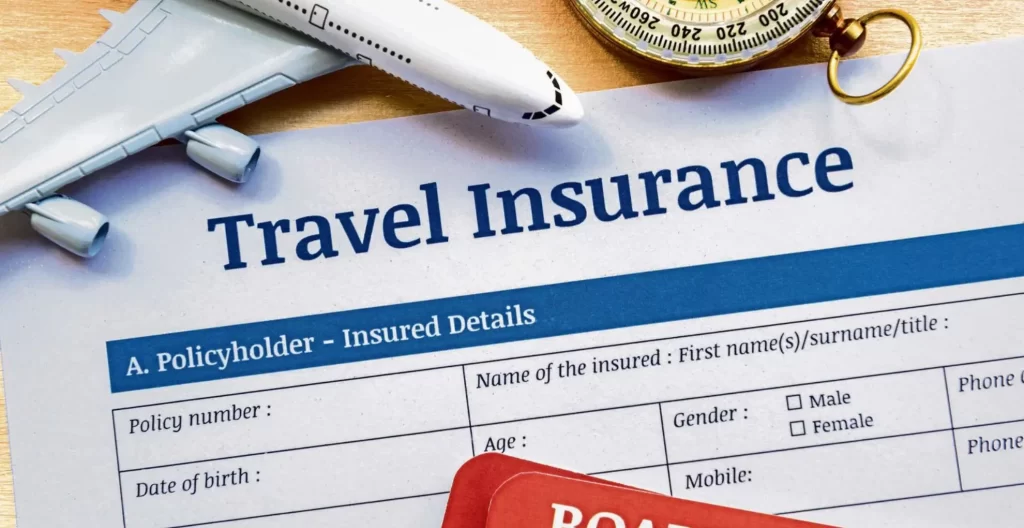
travel insurance in the Philippines for international and domestic trips
PowerWealth Insurance Guide, Travel Insurance

Travel Insurance in the Philippines (2026): A Smart Companion for Every Trip

Travel in 2026 looks different. More Filipinos are traveling abroad for leisure, business, study, and migration. At the same time, flight disruptions, medical emergencies, and unexpected travel restrictions remain real concerns. Travel insurance in the Philippines has become an essential safeguard that protects both your finances and your travel plans. Whether you’re flying within Asia or heading long-haul to Europe or North America, having travel insurance coverage helps you manage risks before and during your trip. Why Travel Insurance Matters More Today Travel exposes you to risks that do not exist at home, including: Medical treatment overseas can be extremely expensive. Without proper coverage, even minor emergencies can lead to significant financial strain. Travel insurance providers in the Philippines operate under the supervision of the Insurance Commission to ensure consumer protection and compliance. What Travel Insurance Typically Covers ✈ Trip Protection Benefits These benefits help recover prepaid, non-refundable expenses. 🏥 Emergency Medical Coverage Travel medical insurance in the Philippines is one of the most important components, especially for international travel. 🧳 Personal Belongings Protection Travel disruptions often involve luggage issues, and this coverage helps reduce financial losses. ⚖ Personal Liability Coverage Provides protection if you accidentally cause injury to someone or damage property while traveling abroad. Is Travel Insurance Required? For some destinations, yes. Countries within the Schengen Area often require Schengen travel insurance in the Philippines before issuing a visa. Even when not mandatory, it is strongly recommended for international travel. Travel insurance is typically optional for domestic trips but still provides valuable protection. How Premiums Are Calculated Premiums are usually based on: Longer trips and destinations with higher medical costs may result in higher premiums. Who Should Strongly Consider Travel Insurance Even short trips can be disrupted, making affordable travel insurance in the Philippines a practical investment. Before You Buy: Key Questions to Ask Understanding policy terms helps avoid issues during emergencies. Travel Insurance as Part of Trip Planning Travel insurance should be arranged when booking flights and accommodations, not after. It serves as a financial safety net against unexpected disruptions. With global travel continuing to grow, having the right travel insurance in the Philippines allows you to travel confidently without unnecessary financial risk. If you are also protecting assets at home or your business, you may want to explore property insurance in the Philippines for complete financial protection. For businesses managing international projects, coverage like engineering insurance in the Philippines may also be necessary alongside travel protection for personnel. Sources Consumer Insurance Guidelines — Insurance CommissionFinancial Consumer Protection Resources — Bangko Sentral ng PilipinasTravel Advisory and Risk Information — Department of Foreign Affairs

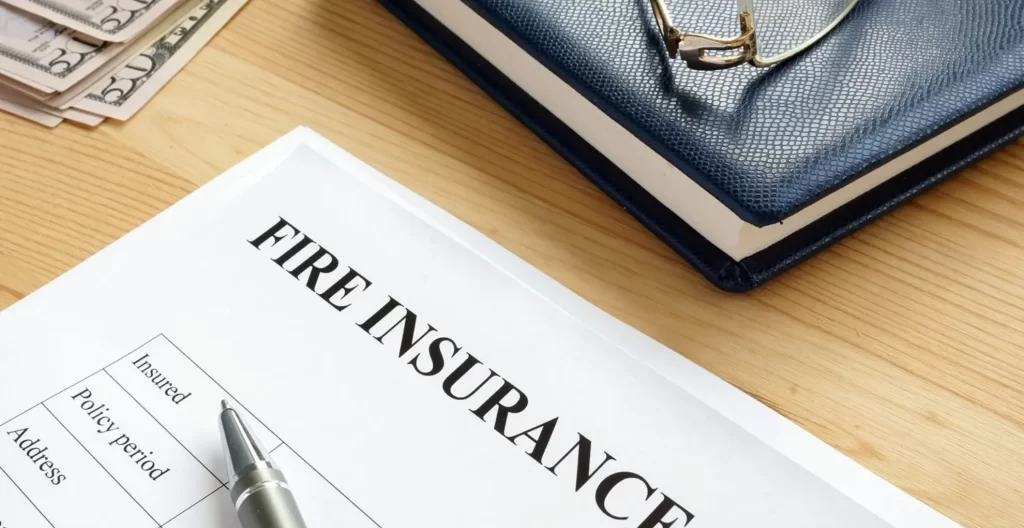
fire insurance protection for homes and buildings in the Philippines
PowerWealth Insurance Guide, Business Insurance, Marine Insurance, Motorcar Insurance, Property Insurance, Travel Insurance

Protecting Your Property in 2026: A Comprehensive Guide to Fire Insurance in the Philippines

Fire insurance in the Philippines is a key part of protecting homes, buildings, and businesses — especially in a country prone to accidental fires, typhoons, earthquakes, and other disasters. In 2024, claims for Fire & Allied Perils in the Philippine insurance industry were valued at nearly ₱5.86 billion, reflecting the ongoing demand for protection against loss or damage from fire-related events. Understanding how fire insurance works, what it covers, and how to choose the right policy can help individuals and businesses avoid severe financial strain when disaster strikes. Many property owners today secure property insurance in the Philippines to safeguard their homes, commercial buildings, and other valuable assets. What Is Fire Insurance and Why It Matters Fire insurance is a type of non-life insurance policy designed to cover financial losses caused by fire and lightning, and when extended, other perils such as earthquakes, typhoons, floods, and related damage. It helps policyholders recover the cost of repairing or rebuilding property, replace damaged contents, and continue business operations after loss. Fire insurance matters because it: Many insurers bundle this protection within broader fire and allied perils insurance in the Philippines, which expands coverage to additional disaster risks common in the country. Core Components of Fire Insurance Basic Fire and Lightning Coverage This is the foundation of all fire insurance policies. It generally covers: Allied and Optional Perils (Expanded Coverage) With additional premiums, fire insurance can also cover: These expanded options are often called Allied Perils and greatly widen the scope of protection. Types of Fire Insurance Policies Residential Fire Insurance Ideal for homeowners and residential property owners. Residential fire insurance in the Philippines typically: Commercial Fire Insurance Designed for business properties such as offices, retail stores, warehouses, and factories. Commercial fire insurance in the Philippines helps: Businesses often combine this protection with broader property insurance coverage to ensure all physical assets are properly insured. For construction sites and industrial projects, fire risks are often managed alongside engineering insurance in the Philippines to ensure broader protection during development phases. How Fire Insurance Works Premiums depend on property value, location, construction materials, and risk exposure. Your insurer evaluates the loss and pays the agreed indemnity or repair cost according to the policy terms. Optional benefits may assist with temporary accommodation or business interruption while rebuilding. Choosing the Right Fire Insurance Coverage To select the best fire insurance coverage for your property or business, consider: Working with a licensed insurance advisor or broker can help you compare options and understand the details of each policy. Who Needs Fire Insurance Fire insurance is important for many types of property owners in the Philippines: Many financial institutions require fire insurance in the Philippines as part of property loan agreements to ensure collateral is protected. Building Resilience with Fire Insurance Fire insurance is more than just a policy. It is financial protection against some of the most destructive events a property owner or business can face. In the Philippines, where fire incidents and natural disasters occur regularly, having the right insurance coverage helps secure hard-earned assets, supports faster recovery after loss, and provides peace of mind for homeowners and business operators alike. Fire insurance is often part of a broader property insurance in the Philippines strategy, which covers multiple risks beyond fire. Sources

Insurance in the Philippines protecting individuals and businesses in Metro Manila
PowerWealth Insurance Guide, Motorcar Insurance, Property Insurance

Insurance in the Philippines: A Practical Guide for Individuals and Businesses

Insurance in the Philippines is an essential part of financial planning for individuals, families, and businesses. With rising healthcare costs, road risks, property exposure, and business liabilities, insurance provides financial protection against unexpected losses. Choosing the right insurance coverage helps Filipinos protect their assets, income, and operations while ensuring peace of mind during emergencies. What Is Insurance and Why It Matters Insurance is a financial arrangement where a policyholder pays a premium to an insurance provider in exchange for protection against specific risks. When a covered event occurs, the insurer helps cover the resulting costs based on the policy terms. In the Philippines, insurance plays a vital role due to traffic congestion, natural disasters, medical expenses, and increasing business risks. Types of Insurance Coverage Offered in the Philippines Motor and Vehicle Insurance Motorcar insurance in the Philippines provides coverage for private vehicles against accidents, theft, and third party liability. Truck insurance and motorcycle insurance offer protection for commercial and personal vehicles operating on Philippine roads. Property and Asset Insurance Property insurance in the Philippines protects buildings and contents from fire, typhoon, flood, and earthquake. For movable or high value assets, property floater insurance and fine arts insurance provide specialized coverage. Travel and Personal Accident Insurance Travel insurance offers protection against trip cancellations, medical emergencies, and travel related risks. Personal accident insurance provides financial support in case of accidental injury or death. Business and Liability Insurance Businesses can manage operational risks through comprehensive general liability insurance, contractor’s all risk insurance, and surety bonds, which help ensure compliance and financial protection. Marine and Cargo Insurance For logistics and maritime operations, marine cargo insurance covers goods in transit, while marine hull and machinery insurance protects vessels against operational risks. Health Coverage HMO in the Philippines provide access to medical services and healthcare networks, helping individuals and employees manage healthcare costs effectively. How to Choose the Right Insurance Coverage Choosing the right insurance coverage depends on your assets, activities, and level of risk exposure. Working with a trusted insurance provider in the Philippines helps ensure you receive coverage that fits your needs and budget. Final Thoughts Insurance is not just an expense. It is a financial tool that protects what you have worked hard to build. Whether you are securing vehicles, property, cargo, travel, or business operations, having the right insurance coverage provides long term financial protection and confidence. Sources

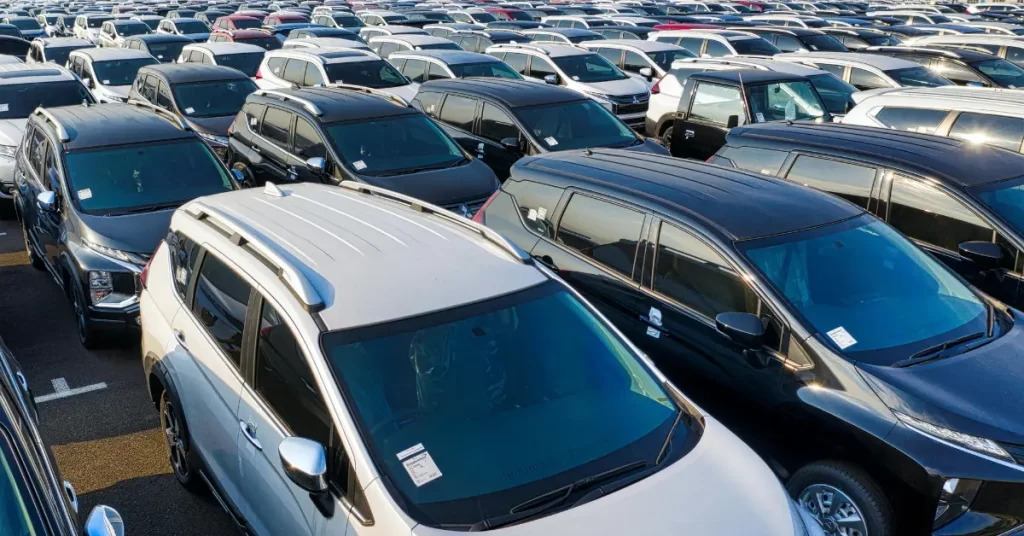
Philippine vehicle sales reaching over 40,000 units in October 2025
Industry News

Philippine Vehicle Sales October 2025: Over 40,000 Units Sold

The Philippine automotive industry continues to show strong momentum as new vehicle sales surpassed 40,000 units in October 2025. This milestone highlights the growing consumer confidence, improving economic conditions, and rising interest in both traditional and electrified vehicles. In this post, we break down the numbers, trends, and what these figures mean for car buyers, sellers, and the industry as a whole. Total Vehicle Sales in October 2025 According to industry data, the Philippines recorded: This strong performance places the sector on track to meet year-end targets set by local automotive groups. Growth of Electric and Hybrid Vehicles A notable highlight from this month is the increasing adoption of electrified mobility. The rise of EVs reflects consumer interest in fuel efficiency, lower maintenance, and government incentives supporting eco-friendly mobility. Passenger Cars vs. Commercial Vehicles Passenger Cars (8,155 units) Sedans and hatchbacks remained popular for: Commercial Vehicles (Majority share) The best-selling segment includes: These are preferred by Filipino families and businesses because of versatility, cargo capacity, and road-readiness. What This Means for the Philippine Auto Market The October 2025 figures indicate: 1. Strong Economic Recovery More households and businesses are investing in new vehicles. 2. Higher Demand for Utility Vehicles Filipinos continue to prioritize practicality and durability. 3. EV Market Is Rapidly Growing While still a small segment, year-over-year EV adoption is accelerating. 4. Expected Surge in Year-End Sales Automakers traditionally offer promos in November–December, likely boosting numbers further. Why This Matters to Car Buyers If you’re planning to buy a car before the year ends, these trends can help guide your decision: FAQs About Philippine Vehicle Sales (Rank Math FAQ Schema Friendly) How many cars were sold in the Philippines in October 2025? Over 40,000 new vehicles were sold, making it one of the strongest months of the year. Which segment sold the most? Commercial vehicles dominated the market, followed by passenger cars. Are electric vehicles selling well in the Philippines? Yes. A total of 3,603 EV-related units were sold in October 2025, showing rapid growth in the segment. Is it a good time to buy a car in the Philippines? Yes. Year-end deals, new model releases, and flexible financing make the last quarter of the year ideal for buying a vehicle. Vehicle sales data sourced from: CAMPI (Chamber of Automotive Manufacturers of the Philippines) AVID (Association of Vehicle Importers and Distributors) Full report available at GMA News Online.

Scroll to Top