
Login
Login
Login

Industry News

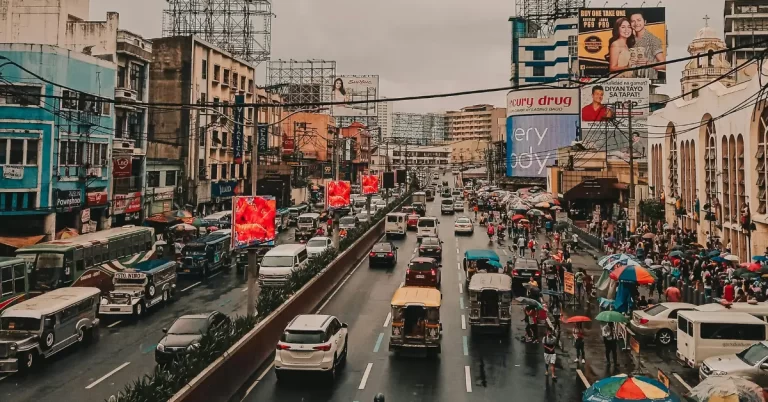
- Traveler using a smartphone to explore digital insurance options in the Philippines
Industry News, PowerWealth Insurance Guide

Digital Insurance Philippines: What Buyers Should Check

Buying insurance no longer always requires visiting an office or completing a traditional face-to-face transaction. In the Philippines, digital platforms are making it easier for consumers to explore insurance products through mobile applications and online marketplaces. One recent development is GCash’s offering of overseas travel insurance through its GInsure marketplace. The launch, reported in October 2026, highlights how insurance products are becoming accessible through platforms that Filipinos already use for everyday transactions. According to InsuranceAsia, the offering includes protection for qualifying medical emergencies, travel inconveniences, personal accidents, and liability. This development raises an important question: as digital insurance becomes more accessible, what should consumers check before purchasing a policy online? What Is Digital Insurance in the Philippines? Digital insurance refers to insurance products and services that consumers can access or manage through online platforms, websites, or mobile applications. Depending on the provider and product, these services may allow customers to compare available coverage, submit applications, receive policy documents, review their protection, and initiate claims online. Digital insurance can make the purchasing process more convenient. However, buying a policy through an app does not automatically mean the coverage is comprehensive or suitable for every customer. The actual protection still depends on the insurance policy, its terms, conditions, limits, and exclusions. Why Is Digital Insurance Gaining Attention? Mobile wallets and digital platforms give consumers another way to discover and purchase insurance. For people who prefer managing financial transactions through their phones, this can make insurance easier to explore. GCash’s GInsure marketplace, for example, offers access to different types of insurance products. Its official GInsure information page explains that eligible users can access insurance options and manage policy information through the platform. Digital access may help reduce some purchasing barriers, but convenience alone should not determine which policy a customer chooses. Consumers still need to understand what they are buying, who provides the coverage, and how to seek assistance if a problem arises. What Should You Check Before Buying Insurance Online? 1. Verify the Insurance Provider Before purchasing a policy, identify the insurance company responsible for providing the coverage. Check that the provider is authorized to operate in the Philippines and that the product is being offered through a legitimate channel. Do not rely on an app’s branding alone. Understand which insurer will issue the policy and handle eligible claims. 2. Understand What the Policy Covers Read the coverage details before paying. Check which events, expenses, or losses qualify for protection and whether specific requirements must be met. For travel insurance, for example, emergency medical expenses, trip disruptions, personal accidents, and liability may be subject to different benefits and limits. For property or motor insurance, the covered risks and conditions will differ. Never assume that two policies offer the same protection simply because they have similar names. 3. Read the Exclusions and Limitations Exclusions explain circumstances in which a policy may not provide coverage. Other restrictions may include benefit limits, deductibles, waiting periods, or conditions that must be satisfied before a claim can be paid. These details can significantly affect the protection you receive. Before purchasing, review the policy wording and ask the provider to clarify any condition you do not understand. For more guidance, read PowerWealth’s article on insurance policy exclusions in the Philippines. 4. Check the Coverage Limits A policy’s advertised benefits do not necessarily mean every claim will be paid up to the maximum amount. Check the limit for each benefit, any applicable sublimits, and whether you must pay part of a covered loss yourself. Consider whether the limits are appropriate for the expense or asset you want to protect. 5. Understand the Claims Process Before buying, find out how to report a loss, submit supporting documents, and contact the insurer. Check whether claims can be initiated online, which documents may be required, and where to get help if you encounter a problem. Keep a copy of your policy documents, proof of purchase, and relevant communications in a secure location. 6. Compare the Overall Value, Not Just the Price A lower premium may be attractive, but price alone does not determine whether a policy is suitable. Compare the benefits, coverage limits, exclusions, service arrangements, and claims requirements of the options available to you. Choose coverage based on your needs and the financial risks you want to manage—not simply the fastest or cheapest option. Does Buying Insurance Through an App Change Your Coverage? Not necessarily. The platform is the channel through which you access the product; the policy itself determines the protection provided. Two policies purchased through different channels may have different benefits, conditions, and limits. Likewise, a policy bought online is not automatically more limited—or more comprehensive—than one purchased through a traditional channel. Consumers should review the actual policy documents rather than relying solely on promotional descriptions or short summaries shown in an application. If you need clarification, contact the insurer or an authorized insurance intermediary before completing the purchase. Digital Access Should Go Hand in Hand With Informed Decisions The growth of digital insurance in the Philippines reflects a broader shift toward making financial services accessible through mobile platforms. GCash’s overseas travel insurance offering is one recent example of this development. It demonstrates how consumers can discover insurance through an everyday digital service, while also highlighting the importance of understanding the product behind the purchase. Convenience is valuable, but informed decisions remain essential. Before purchasing any policy online, verify the provider, review the benefits and exclusions, understand the claims process, and check whether the coverage matches your needs. Explore Insurance Options With PowerWealth Whether you are exploring travel, motor, property, accident, or business insurance, understanding the terms of a policy is an important step toward choosing suitable protection. PowerWealth Insurance Services helps individuals and businesses explore insurance options based on their needs. Visit PowerWealth’s website to learn more about available insurance services and the coverage options you may wish to consider.
Flooding in the Philippines highlights the need for disaster risk insurance and financial preparedness.
Industry News

Disaster Risk Insurance Philippines: What the SEADRIF Deal Means

The Philippines is moving toward a planned disaster risk insurance arrangement with the Southeast Asia Disaster Risk Insurance Facility (SEADRIF), highlighting the growing importance of financial preparedness for natural disasters. According to an October 7, 2026, report by Re Asia, discussions between Philippine agencies and SEADRIF have been ongoing for more than two years, with the signing of the proposed policy expected in the coming months. The arrangement is intended to help the Philippine government access funds following qualifying major disasters. However, the agreement was reported as being in progress, not yet finalized. What does this development mean for the country, and how does it relate to the protection of private homes and businesses? What Is the Philippines’ Planned Disaster Risk Insurance Deal? The proposed arrangement involves SEADRIF, a regional disaster-risk financing facility that helps participating governments prepare financially for the consequences of major natural disasters. Instead of relying entirely on funding arranged after a disaster occurs, governments can use pre-arranged financial mechanisms to help secure funds when specified conditions are met. The planned arrangement for the Philippines is intended to support government-level disaster response and recovery. Its final terms, coverage conditions, and potential payouts will depend on the policy that is ultimately agreed upon. This approach reflects a broader effort to make disaster preparedness more comprehensive by considering not only emergency response but also the funding needed for recovery. Why Disaster Risk Financing Matters in the Philippines The Philippines regularly faces natural hazards such as typhoons, floods, earthquakes, and storm surges. These events can damage infrastructure, disrupt essential services, displace communities, and affect businesses. Recovering from a major disaster requires substantial financial resources. Governments may need to repair roads and public facilities, restore services, and support affected communities. Disaster risk financing can help governments plan for these costs before a disaster happens. When a financial arrangement provides funds after a qualifying event, it can help support response and recovery efforts. However, government disaster financing is only one part of the country’s overall preparedness. Individuals and private businesses must also consider how they would pay to repair or replace their own damaged property. Does Government Disaster Insurance Cover Private Property? The proposed SEADRIF arrangement is intended to provide financial support to the Philippine government following qualifying disasters. It should not be confused with an individual insurance policy covering privately owned homes, vehicles, equipment, or commercial buildings. Government disaster financing and private property insurance serve different purposes. For example, a business affected by flooding may face expenses involving building repairs, damaged equipment, lost inventory, and interruptions to its operations. Whether these losses are covered depends on the business’s own insurance arrangements and the specific terms, limits, and exclusions of its policy. Similarly, homeowners should not assume that government disaster assistance will automatically pay for damage to their individual properties. People who want financial protection for their own assets should review the coverage available for their circumstances and understand the risks their policies include. How Can Property Owners Prepare for Natural Disasters? Although the proposed government arrangement is still developing, households and businesses can take steps to review their own financial preparedness. 1. Review Your Existing Property Insurance Check what your current policy covers, including the insured property, coverage limits, conditions, and exclusions. Do not assume every natural disaster or type of resulting damage is automatically covered. PowerWealth’s guide to property insurance in the Philippines provides a starting point for understanding property protection. 2. Check Your Coverage for Natural Disasters Flooding, typhoons, earthquakes, and other natural hazards may be treated differently depending on the policy. Some risks may require specific coverage or may be subject to particular conditions and exclusions. Review your policy wording and ask your insurance provider to clarify any uncertainty. For more information, read PowerWealth’s guide to acts of nature insurance in the Philippines. 3. Document Your Property and Business Assets Keep an updated record of your belongings and business assets. Photographs, purchase receipts, inventory lists, and other relevant documents can help establish what you owned before a loss. Store copies securely, preferably in a location accessible even if your home or business premises are damaged. Businesses should pay particular attention to equipment, stock, machinery, and other assets essential to their operations. 4. Consider the Financial Impact of Business Interruptions Property damage can create expenses beyond the cost of repairs. A business may lose income while its premises, machinery, or equipment are unusable. Business owners should assess whether their existing insurance addresses interruption-related losses and understand the conditions that must be met for a claim to qualify. 5. Ask Questions Before a Disaster Happens Discuss your property, business activities, location, and potential risks with an authorized insurance professional. Understanding your policy before a loss occurs can help you make informed decisions about suitable coverage and identify potential gaps in your financial protection. Government Disaster Financing and Private Insurance Have Different Roles The Philippines’ planned SEADRIF arrangement highlights the importance of preparing financially for disasters before they occur. Government-level disaster financing can help support public recovery needs following qualifying events. Private insurance, meanwhile, can help eligible policyholders manage covered losses to their own homes, vehicles, equipment, and businesses. Neither should be assumed to replace the other. For individuals and businesses, the practical takeaway is to understand what their existing protection covers, identify potential gaps, and make informed decisions based on their circumstances. Stay Informed About Disaster Risk Insurance in the Philippines The proposed SEADRIF arrangement is a developing industry story. Its final terms will determine how the policy operates, so readers should follow official announcements for updates. In the meantime, households and businesses can review their insurance coverage and consider how they would manage unexpected property damage or other financial losses caused by natural disasters. PowerWealth Insurance Services helps individuals and businesses explore insurance options suited to their needs. Visit PowerWealth’s website to learn more about available insurance services.

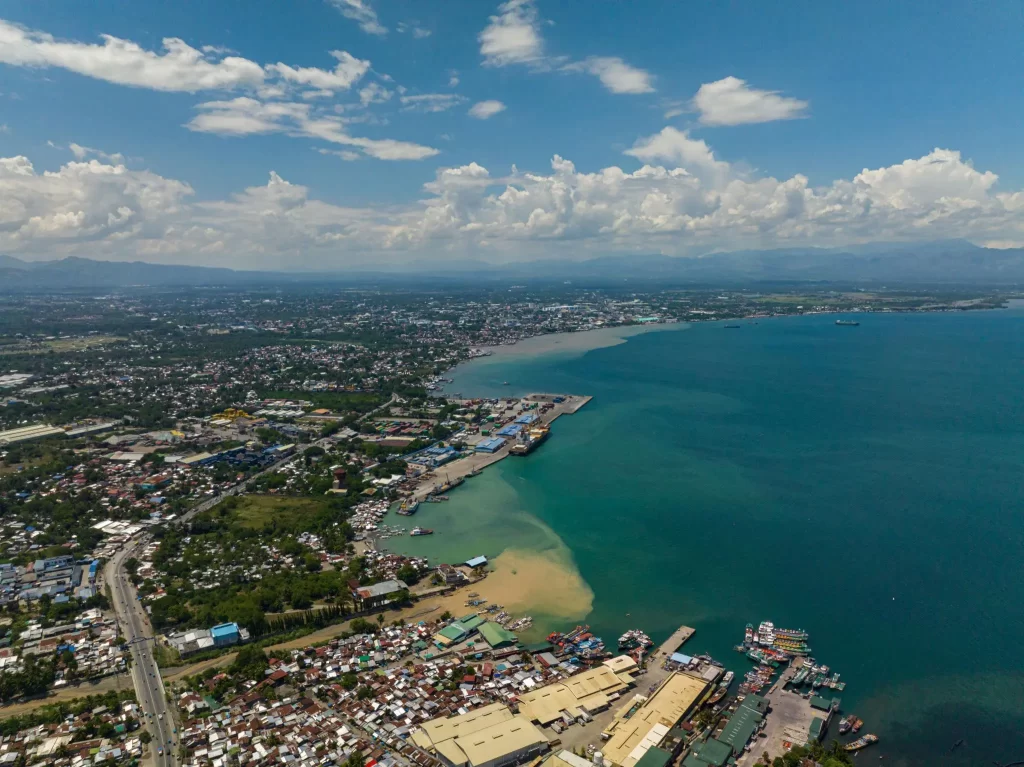
Aerial view of General Santos City after an earthquake was felt across the region
Industry News

General Santos City Earthquake: What Residents Should Know

A strong earthquake was felt across General Santos City and nearby areas on June 8, 2026, causing concern among residents and prompting authorities to assess potential damage. According to initial reports from the Philippine Institute of Volcanology and Seismology (PHIVOLCS), the earthquake originated offshore near Sarangani and was felt across several parts of Mindanao. Many residents reported strong shaking that prompted evacuations from homes, offices, schools, and commercial establishments. Local authorities immediately began monitoring affected areas while emergency response teams conducted assessments of infrastructure and public safety. Earthquakes are common in the Philippines due to the country’s location along the Pacific Ring of Fire, a region known for frequent seismic activity. While not all earthquakes cause significant damage, they serve as important reminders for individuals, families, and businesses to remain prepared for unexpected natural disasters. Importance of Disaster Preparedness Natural disasters such as earthquakes can occur without warning. Having an emergency plan, emergency supplies, and appropriate insurance coverage can help reduce the financial and operational impact of unexpected events. For homeowners and business owners, property insurance may help provide financial protection against covered losses resulting from certain natural disasters and related incidents. Businesses may also benefit from reviewing their risk management and continuity plans to minimize disruptions. Earthquake Safety Reminders Stay Informed and Stay Protected As authorities continue to monitor the situation, residents are encouraged to remain informed through official government channels. Preparedness, awareness, and proper protection measures can help individuals and businesses recover more effectively from unexpected events. PowerWealth Insurance Services remains committed to helping Filipinos understand the importance of financial protection and risk management in the face of natural disasters and other unforeseen events.

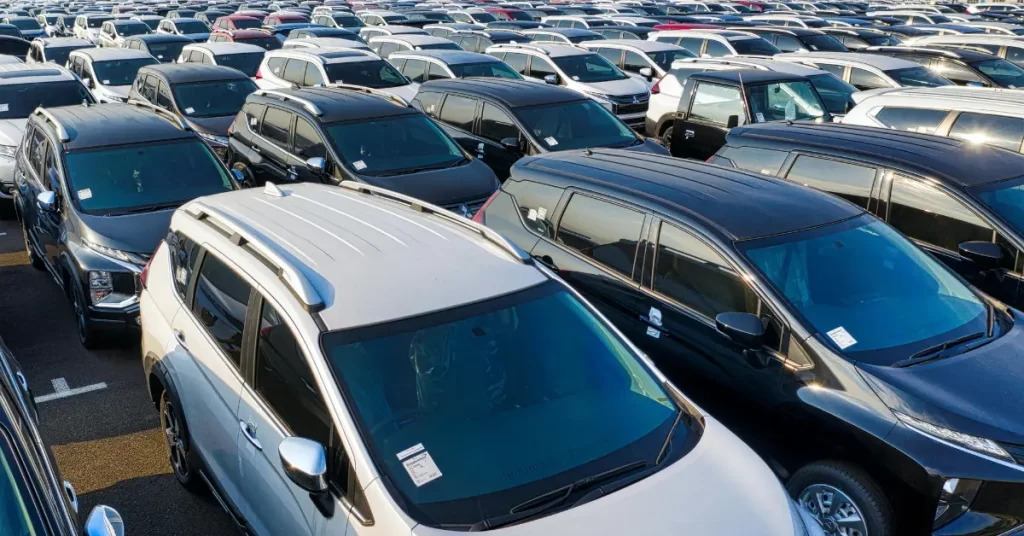
Philippine vehicle sales reaching over 40,000 units in October 2025
Industry News

Philippine Vehicle Sales October 2025: Over 40,000 Units Sold

The Philippine automotive industry continues to show strong momentum as new vehicle sales surpassed 40,000 units in October 2025. This milestone highlights the growing consumer confidence, improving economic conditions, and rising interest in both traditional and electrified vehicles. In this post, we break down the numbers, trends, and what these figures mean for car buyers, sellers, and the industry as a whole. Total Vehicle Sales in October 2025 According to industry data, the Philippines recorded: This strong performance places the sector on track to meet year-end targets set by local automotive groups. Growth of Electric and Hybrid Vehicles A notable highlight from this month is the increasing adoption of electrified mobility. The rise of EVs reflects consumer interest in fuel efficiency, lower maintenance, and government incentives supporting eco-friendly mobility. Passenger Cars vs. Commercial Vehicles Passenger Cars (8,155 units) Sedans and hatchbacks remained popular for: Commercial Vehicles (Majority share) The best-selling segment includes: These are preferred by Filipino families and businesses because of versatility, cargo capacity, and road-readiness. What This Means for the Philippine Auto Market The October 2025 figures indicate: 1. Strong Economic Recovery More households and businesses are investing in new vehicles. 2. Higher Demand for Utility Vehicles Filipinos continue to prioritize practicality and durability. 3. EV Market Is Rapidly Growing While still a small segment, year-over-year EV adoption is accelerating. 4. Expected Surge in Year-End Sales Automakers traditionally offer promos in November–December, likely boosting numbers further. Why This Matters to Car Buyers If you’re planning to buy a car before the year ends, these trends can help guide your decision: FAQs About Philippine Vehicle Sales (Rank Math FAQ Schema Friendly) How many cars were sold in the Philippines in October 2025? Over 40,000 new vehicles were sold, making it one of the strongest months of the year. Which segment sold the most? Commercial vehicles dominated the market, followed by passenger cars. Are electric vehicles selling well in the Philippines? Yes. A total of 3,603 EV-related units were sold in October 2025, showing rapid growth in the segment. Is it a good time to buy a car in the Philippines? Yes. Year-end deals, new model releases, and flexible financing make the last quarter of the year ideal for buying a vehicle. Vehicle sales data sourced from: CAMPI (Chamber of Automotive Manufacturers of the Philippines) AVID (Association of Vehicle Importers and Distributors) Full report available at GMA News Online.

Scroll to Top