

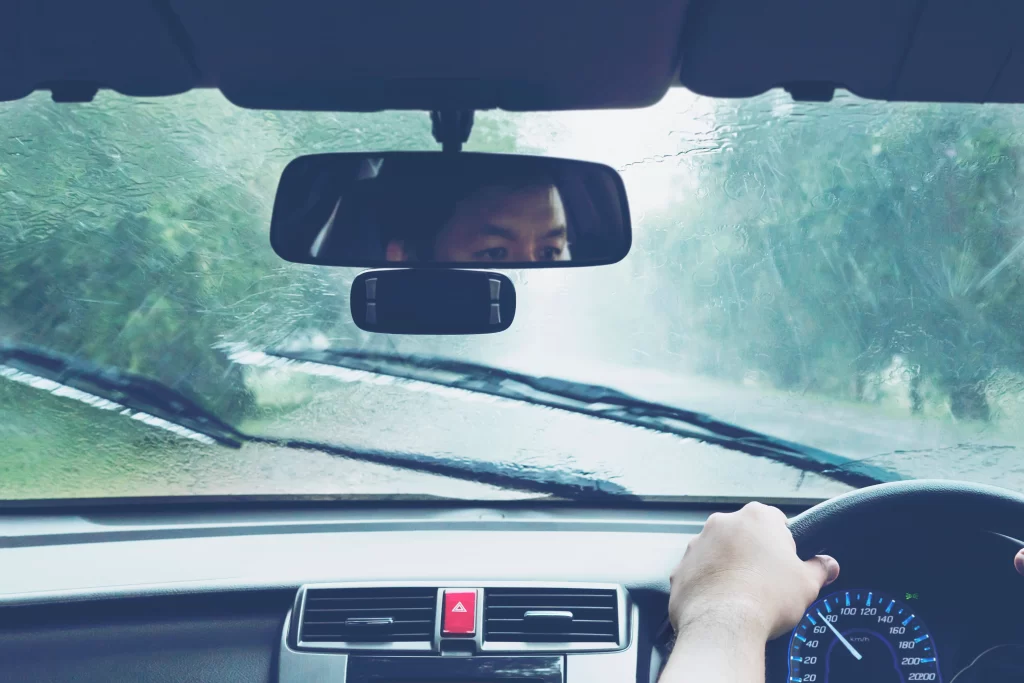
The rainy season in the Philippines brings heavy rainfall, flooding, poor visibility, and slippery roads that increase the risk of accidents and costly vehicle damage. Knowing how to protect your car during rainy season is essential for every vehicle owner, whether you’re driving through the city or traveling on highways. By preparing your vehicle, following rainy season driving tips Philippines motorists should practice, and understanding how to respond during severe weather, you can reduce the risk of breakdowns and expensive repairs.
Why You Should Know How to Protect Your Car During Rainy Season
Heavy rain can affect your vehicle in many ways, from reducing tire grip on wet roads to damaging electrical systems during floods. Moisture can also lead to rust, poor brake performance, and visibility issues if your vehicle is not properly maintained. During typhoon season, these risks become even greater as flash floods and strong winds can quickly create dangerous driving conditions.
Common rainy season risks include:
- Flood damage to engines and electrical systems
- Reduced tire traction on wet roads
- Poor visibility during heavy rainfall
- Brake performance issues
- Corrosion and rust caused by constant moisture
- Falling debris during severe weather
Learning how to protect your car during rainy season before heavy rains arrive can help you avoid unnecessary repair costs and improve your safety on the road.
Inspect Your Vehicle Before Heavy Rains Arrive
Preventive maintenance is one of the most effective ways to keep your vehicle in good condition throughout the rainy season.
Before periods of continuous rainfall, inspect your:
- Tires and tread depth
- Windshield wipers
- Headlights, brake lights, and signal lights
- Battery condition
- Brake system
- Engine oil and other fluid levels
- Air conditioning and defogger
Replacing worn tires, damaged wipers, or weak batteries before the rainy season can help prevent accidents and unexpected breakdowns. Regular maintenance also improves your vehicle’s performance during long drives in wet conditions.
Follow Rainy Season Driving Tips Philippines Drivers Should Know
Following proven rainy season driving tips Philippines drivers rely on can significantly reduce your chances of getting into an accident.
Keep these safety reminders in mind:
- Slow down and avoid speeding on wet roads.
- Increase your following distance from the vehicle ahead.
- Turn on your headlights during heavy rain for better visibility.
- Avoid sudden braking and sharp steering movements.
- Stay alert for potholes, fallen branches, and road debris.
- Use your windshield wipers and defogger to maintain clear visibility.
Defensive driving becomes even more important during storms, especially when roads are slippery and visibility is limited.
Avoid Driving Through Flooded Roads
One of the best car flood damage prevention practices is avoiding flooded roads whenever possible.
Floodwater is often deeper than it appears and may hide potholes, open manholes, or other hazards. Even shallow floodwater can damage:
- Engine components
- Electrical systems
- Sensors
- Transmission parts
- Interior components
If you are unsure about the water depth, choose another route instead of risking severe vehicle damage. Waiting for floodwaters to subside is often safer and less expensive than dealing with major repairs.
Vehicle owners should also understand how Motorcar Insurance may help provide financial protection against covered weather-related incidents, depending on their policy terms and coverage.
Practice Safe Driving in Heavy Rain
Practicing safe driving in heavy rain helps protect both you and your passengers during the rainy season.
Remember to:
- Reduce your speed according to road conditions.
- Keep both hands on the steering wheel.
- Avoid using cruise control on wet roads.
- Brake gently to reduce the risk of skidding.
- Leave enough stopping distance between vehicles.
- Pay close attention to motorcycles, pedestrians, and cyclists.
Before leaving home, check weather forecasts and traffic updates to avoid flooded or heavily congested areas.
Improve Vehicle Protection During Typhoon Season
Proper vehicle protection during typhoon season begins before the storm arrives.
To minimize the risk of damage:
- Park your vehicle in elevated areas whenever possible.
- Avoid parking beneath trees, electric posts, or unstable structures.
- Monitor weather advisories and flood warnings.
- Secure important vehicle documents in a waterproof container.
- Move your vehicle early if flooding is expected in your area.
Preparing ahead of time gives you the best chance of protecting your vehicle from severe weather.
What to Do If Your Car Encounters Floodwater
If your vehicle becomes partially or fully submerged in floodwater:
- Do not restart the engine.
- Move to a safe location if it is safe to do so.
- Contact roadside assistance or your insurance provider.
- Take photos of the visible damage.
- Arrange for a professional inspection before driving the vehicle again.
Restarting a flood-damaged vehicle may cause additional engine damage and increase repair costs.
Understanding your insurance coverage and claims process before an emergency occurs can also help reduce stress. You can learn more by reading Common Insurance Claim Mistakes Filipinos Should Avoid.
Rainy Season Vehicle Protection Starts with Preparation
The best way to reduce weather-related vehicle damage is through preparation and regular maintenance. Learning how to protect your car during rainy season allows you to identify potential problems before they become costly repairs. Combined with regular inspections, responsible driving habits, and proper planning, these preventive measures can help keep your vehicle safe throughout the rainy months.
Final Thoughts
Knowing how to protect your car during rainy season is one of the smartest steps every driver in the Philippines can take. Heavy rainfall, flooding, and typhoons create risks that affect both your safety and your finances. By following rainy season driving tips Philippines drivers should practice, prioritizing car flood damage prevention, practicing safe driving in heavy rain, and improving vehicle protection during typhoon season, you can reduce the likelihood of costly damage and travel with greater confidence. Regular vehicle maintenance and the right motorcar insurance coverage can provide added peace of mind, no matter what the weather brings.
Sources
PAGASA Weather Advisories
https://bagong.pagasa.dost.gov.ph/
Land Transportation Office (LTO) Philippines
https://lto.gov.ph/
Department of Transportation (DOTr) Philippines
https://dotr.gov.ph/
Philippine Red Cross Disaster Preparedness Resources
https://redcross.org.ph/