

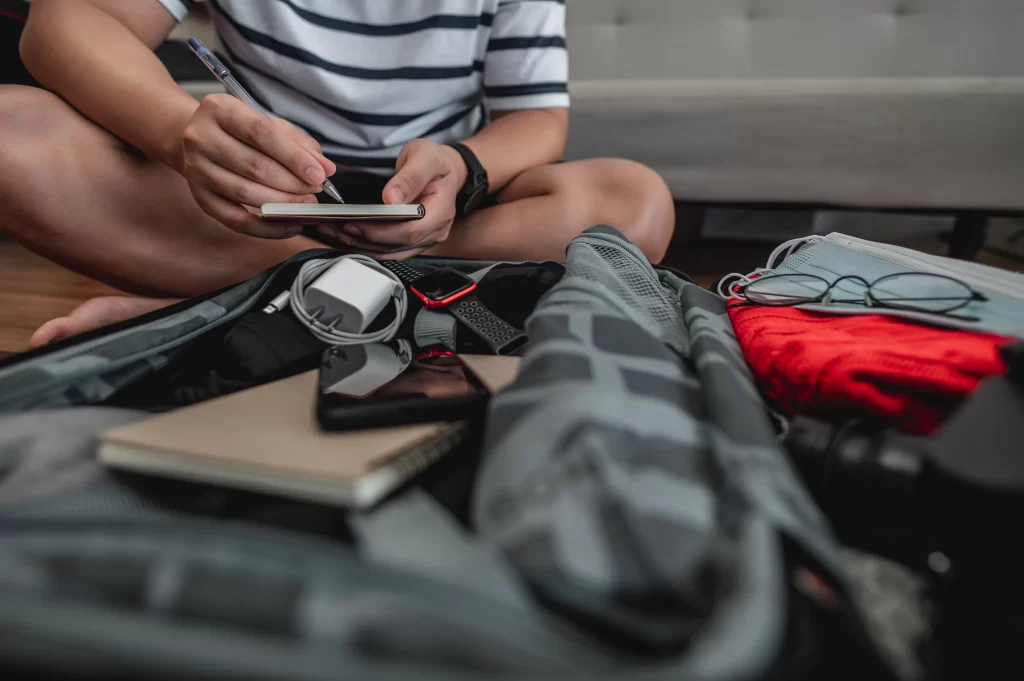
Typhoons are a regular part of life in the Philippines, especially during the rainy season. Strong winds, heavy rainfall, flooding, and power outages can disrupt daily life and cause significant damage to homes, vehicles, and businesses. While no one can prevent a typhoon, proper preparation can help reduce risks and minimize financial losses.
Understanding typhoon preparedness in the Philippines allows families and business owners to act early instead of reacting when severe weather has already arrived. Simple preventive measures can make a significant difference in protecting lives, property, and livelihoods.
Why Typhoon Preparedness Is Important
The Philippines experiences numerous tropical cyclones each year due to its location in the western Pacific. Some storms bring moderate rainfall, while others can cause widespread flooding, structural damage, and transportation disruptions.
Preparing before a typhoon arrives helps reduce injuries, protects valuable property, and allows families to respond more effectively during emergencies.
Prepare Your Home Before a Typhoon
One of the most important typhoon safety tips in the Philippines is securing your home before weather conditions worsen.
Consider these preventive measures:
- Inspect your roof for loose roofing materials.
- Clean gutters and drainage systems.
- Trim tree branches near your property.
- Secure outdoor furniture and loose objects.
- Store important documents in waterproof containers.
- Charge emergency lighting and power banks.
Homeowners should also review Property Insurance to better understand how insurance can help protect their property from covered risks.
Protect Your Vehicle During Severe Weather
Heavy rains and flooding increase the risk of vehicle damage during typhoon season.
Vehicle owners should:
- Park on higher ground whenever possible.
- Avoid driving through flooded roads.
- Inspect tires, brakes, and windshield wipers regularly.
- Monitor weather advisories before traveling.
- Move vehicles early if flooding is expected.
Drivers can also review Motorcar Insurance to understand the protection available for covered vehicle damage.
Businesses operating commercial fleets should likewise ensure their Truck Insurance coverage remains up to date before peak typhoon season.
Prepare an Emergency Kit
Emergency preparedness in the Philippines starts with having a complete emergency kit ready before a storm arrives.
Your emergency supplies should include:
- Drinking water
- Ready-to-eat food
- Flashlights
- Extra batteries
- First aid kit
- Essential medications
- Power banks
- Important documents
- Emergency contact numbers
Keep the kit in an accessible location where every family member knows how to find it.
Stay Safe While Traveling
Travel plans are often affected by typhoons through flight cancellations, ferry suspensions, and road closures.
Before leaving home:
- Check official weather advisories.
- Confirm transportation schedules.
- Inform family members of your travel plans.
- Prepare alternative travel arrangements if necessary.
Travelers may also benefit from reviewing Travel Insurance to understand how certain travel disruptions may be covered depending on policy terms.
Follow Official Advisories
During severe weather, rely on information from official government agencies rather than unverified social media posts.
Pay close attention to:
- Typhoon bulletins
- Flood advisories
- Evacuation notices
- Local government announcements
Following official guidance helps families make informed decisions and avoid unnecessary risks.
Financial Preparedness Matters Too
Typhoon preparedness is not only about physical safety. It also involves protecting your financial well-being.
Unexpected repairs, damaged property, vehicle losses, and business interruptions can place a significant burden on families and business owners.
Reviewing your insurance coverage before typhoon season begins can help ensure your protection remains appropriate for your current needs.
Final Thoughts
Typhoon preparedness in the Philippines is a shared responsibility that begins long before a storm makes landfall. By preparing your home, protecting your vehicle, assembling an emergency kit, and staying informed through official advisories, you can reduce risks and respond more effectively during severe weather.
Preparation today can help protect your family, property, and financial future when the next typhoon arrives.
Sources
PAGASA – Weather Advisories
https://bagong.pagasa.dost.gov.ph/
National Disaster Risk Reduction and Management Council (NDRRMC)
https://ndrrmc.gov.ph/
Philippine Red Cross – Disaster Preparedness Resources
https://redcross.org.ph/